Raspberries are among the most rewarding fruits to grow because they provide a unique taste that surpasses any flavour of store-bought raspberries. The plants exhibit extreme sensitivity toward their surrounding environment. In-ground planting through conventional methods creates problems because invasive plants, insufficient drainage and soil-borne pathogens lead to heavy destruction of soil health.
The Coir-based Raspberry Grow Container provides a solution. The specialised systems, which people call coco coir grow bags, enable commercial farmers and home hobbyists to cultivate berries in entirely new ways. The coir-based system delivers a professional-grade environment that protects root health and boosts raspberry yield when you want to identify the ideal growing container for your raspberries.
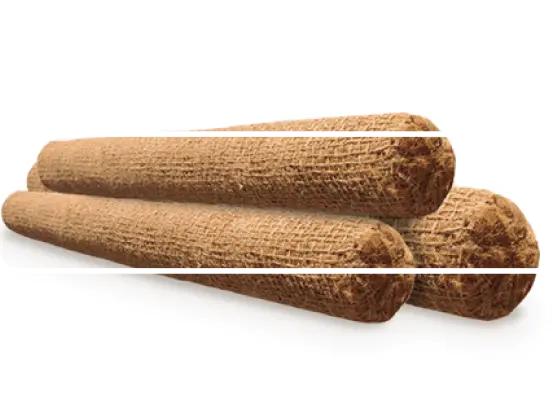
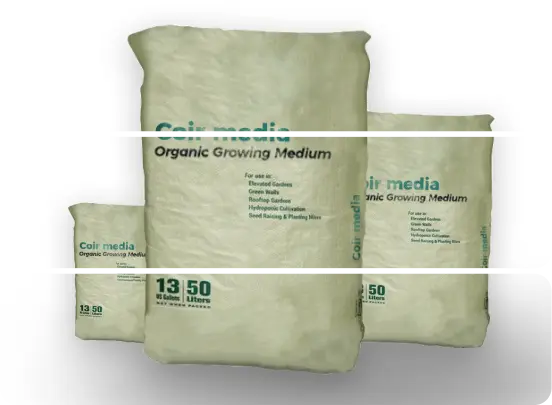
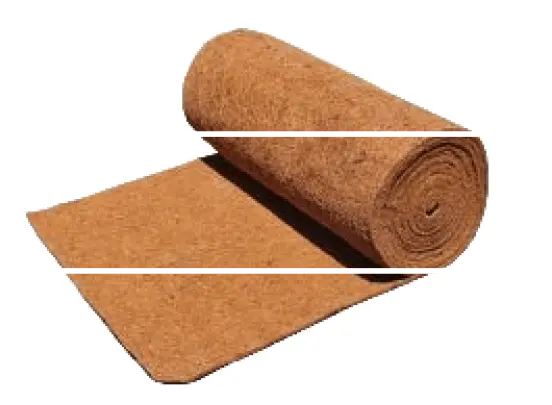
Coir-based grow containers are specialised vessels filled with processed coconut husks (pith and fibres). Coir maintains its fibrous structure, which enables it to deliver optimal water retention and aeration benefits, unlike standard potting soil, which becomes compacted over time.
The containers are made specifically to function with hydroponic systems and the long cane cultivation technique. The system allows complete environmental control, which leads to reliable and successful results in raspberry cultivation.
People who want to grow their own berries face an obstacle because they do not have any space for a yard. Raspberry grow containers bring a revolutionary solution that enables people to grow raspberries in their small urban spaces, including patios and balconies. The dedicated container system functions as a barrier that prevents the perennial root system from spreading through your lawn by using underground runners.
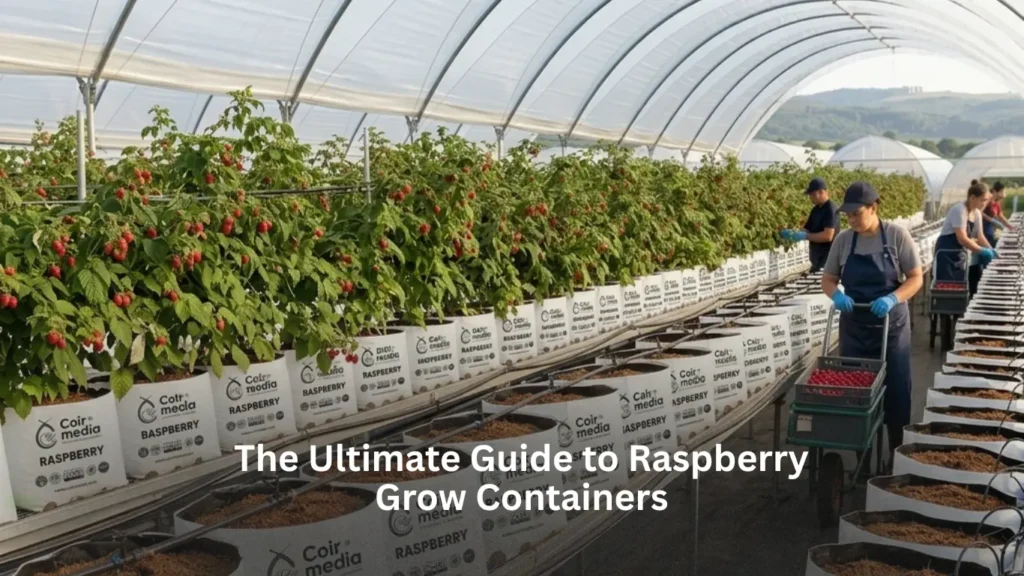
Coir grow bags serve as the standard growing material that commercial businesses utilise in their high tunnels and greenhouses. The growers achieve better control over their farming operations because they can maintain complete control over their nutrient supply system after removing soil from the process. The soilless method functions as the hidden method that supermarkets use to deliver uniform berries that meet their high-quality standards.
Producers use long cane production to achieve maximum crop harvest from their limited growing area. The method requires growing canes to their maximum height inside a compact container area. The coir structure maintains its strength throughout this intense growth period, which enables plants to produce their maximum fruit yield without experiencing stress.
The cultivation of berries faces its most significant obstacle in the presence of raspberry plant diseases. The soil-borne pathogen Phytophthora (root rot) remains dormant in garden beds for an extended period. The medium of coir maintains its sterile properties. The use of grow containers establishes a protective zone that keeps your plant safe from the fungal threats that operate in dense natural clay soils.
Weather conditions do not follow a predictable pattern. The Raspberry grow containers enable you to relocate your plants according to their need for sun exposure during springtime and shade protection during intense summer heat. The system allows you to move items, which prolongs the fruiting period while safeguarding delicate fruits from sunscald damage.
The container selection process for raspberry growth requires evaluation of both the growing medium and the container itself. Coir outperforms traditional peat and soil for several reasons:
Superior Root Development
The “air-to-water” ratio in coir provides exceptional performance. The loose structure delivers air flow, which permits roots to undergo the process of “air pruning” because it creates a space that maintains proper air flow and root growth. The roots develop a dense fibrous network, which enables better nutrient absorption instead of growing into a circular pot formation, which leads to root-bound issues.
Optimal Moisture Management
Raspberries exist in the plant world as the “Goldilocks” because they require specific water conditions which their growth depends upon. Coir can hold moisture equivalent to 10 times its weight, while its porous structure allows immediate water drainage of extra moisture. This system stops root rot from developing because it ends anaerobic situations.
Ideal pH and Nutrition Control
The best growing conditions for raspberries occur between slightly acidic and neutral pH values. Coir exists naturally at a pH range of 5.8 to 6.5, which represents the ideal range for plants to extract nutrients. Coir offers immediate usability because it requires no additional treatment, unlike peat moss, which requires lime to balance its high acidity.
Increased Yield
Healthy roots lead to the production of healthy fruits. The plant can concentrate its energy on fruit production because it operates in loose soil conditions. Growers using coir substrates achieve better berry size and grade results than those using standard soil methods.
Sustainability and Efficiency
Coir emerges as the environmentally responsible option that modern gardeners should choose during our current period of environmental awareness.
To maximise your yield from raspberry grow containers, implement these expert container handling procedures:
Raspberries need room to breathe. Use a container with a 16-inch diameter or larger. The minimum container size for most raspberry varieties is an 8 to 10-gallon grow bag, which allows multiple canes to develop and the root mass to grow healthy.
You have complete control over nutrient management because coir serves as an inert medium that contains no natural nutrients. The application of balanced liquid fertiliser must be repeated on a regular basis. A high potassium fertiliser should be applied during the flowering and fruiting stages to promote the growth of sweet berries.
The design of coir-filled grow bags allows for proper drainage, but you must prevent water accumulation around the bags. The water drainage from the bag base becomes possible when you place your containers on “pot feet” or a gravel bed.
Your raspberry canes will arrive as “bare-roots” when they get delivered to you. Direct planting into a coir container enables young roots to access high aeration benefits, which result in faster growth than planting in dense garden soil.
To get the most out of your raspberry grow containers, follow these professional best practices:
If you want to master how to grow raspberries, the container is your foundation. By choosing a coir-based raspberry grow container, you are bypassing the most common failures of berry gardening. You are providing your plants with a clean, aerated, and moisture-balanced home that allows them to focus on one thing: producing the most delicious, sun-ripened raspberries you’ve ever tasted.
Whether you are a commercial grower aiming for peak efficiency or a home gardener looking for the best container to grow raspberries on your deck, coir is the gold standard for success.

Mathew is a product designer and engineer at Coirmedia, where he combines his passion for sustainability with his design and engineering expertise. He develops innovative coir products that are not only functional but also eco-friendly. Driven by a desire to share his knowledge, Neil is passionate about writing and teaching, aiming to educate others about his ideas, innovations, and the technology behind them.