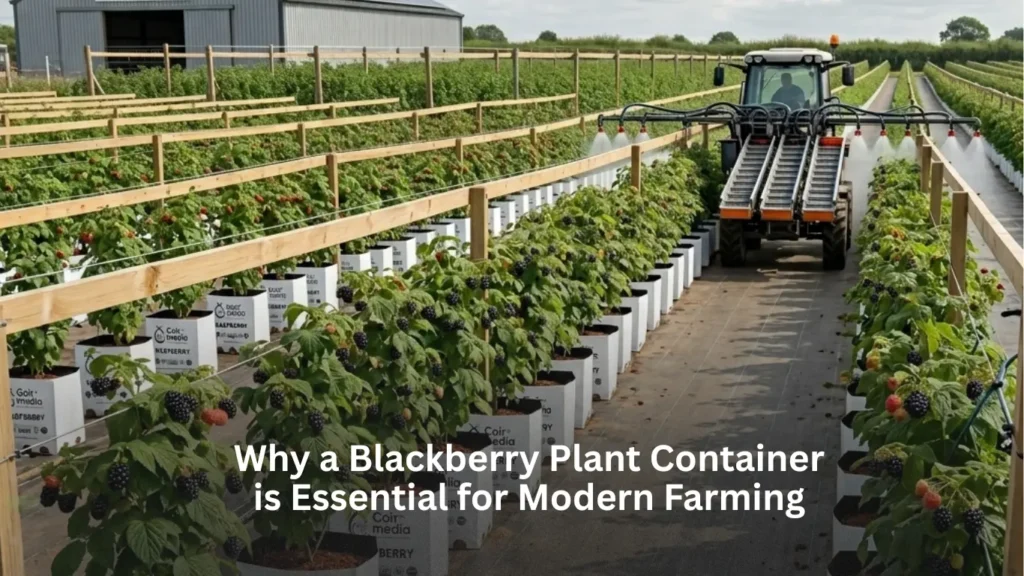
The Bramble Mastery demonstrates the necessity of using blackberry plant containers in contemporary agricultural practices. Blackberries represent the tough, enduring species that produce berries that contain high levels of antioxidants. The common depiction that people hold regarding blackberry patches shows a wild space that grows thorny plants, which rapidly overtake their backyards. Professional growers and urban hobbyists choose blackberry plant containers because this solution helps them control both their invasive plants and the specific soil conditions they require.
The current agricultural industry sees a growing trend that replaces traditional open-field farming with modern container-based cultivation methods. Farmers can double their yield results from specialised vessels and premium substrates, which leading coir product companies supply, because these products give them complete control over their plant health.
The main problem that traditional farming faces today is the limited supply of land suitable for agriculture. You can succeed as a farmer through blackberry plant containers because they enable you to grow without needing outdoor space.
If you have ever researched how to grow blackberries, you have likely encountered a warning about their “running” habit. Blackberries spread aggressively through their underground root system, which produces new plants, and the “tip rooting” method allows cane ends to touch the ground and create new root systems.
A single plant will take over an entire garden bed within two years.
Blackberries have specific requirements for their root environment because they need both well-draining soil and acidic soil conditions that range from 5.5 to 6.5. Most native garden soils contain excessive clay, which causes root rot or excessive alkalinity problems.
Blackberries need at least six to eight hours of direct sunlight every day in order to produce their sweet and juicy fruit. The garden bed becomes blocked when a tree or a fence creates shade because it requires a fixed position for the entire growing season.
The agriculture field is shifting away from using broad-spectrum chemical treatments to adopt more accurate treatment methods. The container farming method works perfectly with this agricultural model.
To achieve the best results, you need to follow these expert guidelines:
Size Matters: Do not select a smaller size for your pot. A mature blackberry bush has an extensive root system. A 20 to 25-gallon container is the industry standard for ensuring the plant doesn’t become root-bound and stressed.
Drainage is Key: Your container should include multiple large drainage holes to provide effective drainage. The blackberries require moisture to survive, but they cannot tolerate standing water conditions.
Fertilisation Strategy: The frequent watering of container plants leads to nutrient loss from the soil through leaching. The spring application of slow-release organic fertiliser should be followed by liquid seaweed or fish emulsion during the main fruiting period.
Trellising: Blackberries require support because they need it for their growth, even when they grow in containers. The canes need to remain upright while the fruit needs to be kept off the ground so you can use either a “Tomato Cage” or a single central stake as your support system.
Using a blackberry plant container is the smartest way to bring high-yield berry production into the 21st century. It solves the age-old problem of invasive spreading while giving the grower absolute authority over soil quality and environmental exposure.
By integrating modern techniques of farming, such as using high-quality substrates from coir product manufacturers and precision irrigation, you can turn a small corner of a patio into a prolific berry patch. Whether you are a commercial grower looking for consistency or a homeowner wanting a manageable harvest, the container is your key to “blackberry bliss.”

Mathew is a product designer and engineer at Coirmedia, where he combines his passion for sustainability with his design and engineering expertise. He develops innovative coir products that are not only functional but also eco-friendly. Driven by a desire to share his knowledge, Neil is passionate about writing and teaching, aiming to educate others about his ideas, innovations, and the technology behind them.