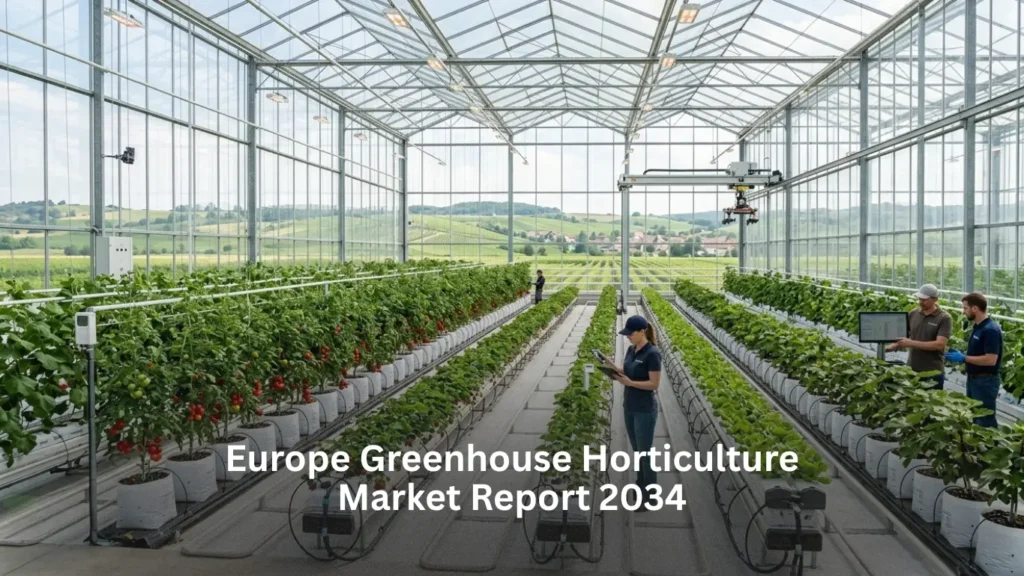
The European agricultural landscape is undergoing a profound transformation. The continent adopted greenhouse horticulture as its efficient and sustainable solution because climate change brought unpredictable weather patterns, and traditional soil health started declining. Recent market research indicates that the European Greenhouse Horticulture Market will experience substantial growth because technological advancements and consumer demand for year-round high-quality pesticide-free produce drive market expansion.
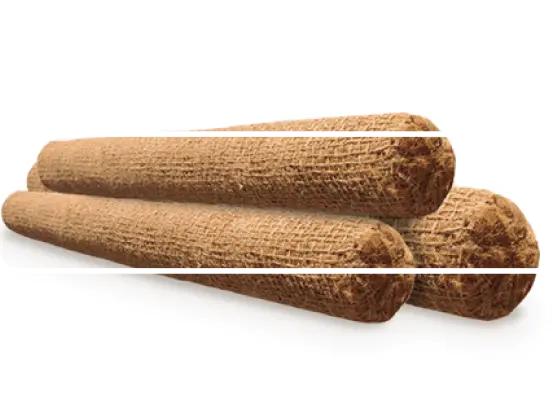
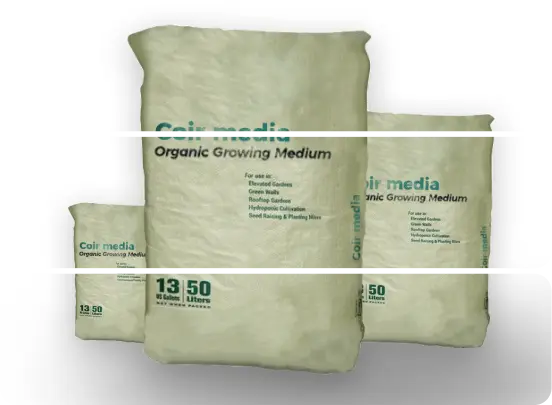
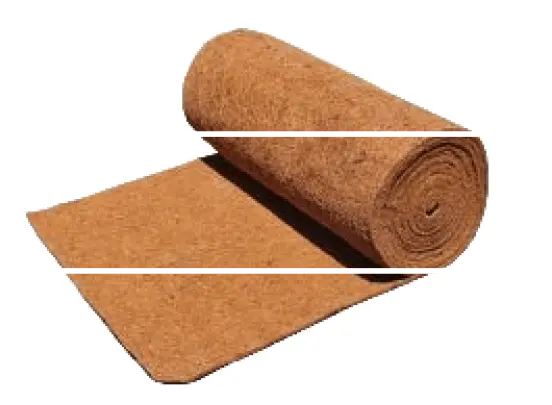
The “Green Revolution”, which defines this movement, employs modern farming methods that maximise resource efficiency. The industry now focuses on specialised tomato farming, cucumber farming and bell pepper farming, which operates from the Netherlands high-tech glass hubs and the Almería, Spain extensive plastic-covered plains. For high-value crops, commercial growers now use specialised substrates obtained from top coir product manufacturers instead of traditional soil for their cultivation.
The European greenhouse sector serves as a regional leader because it establishes international standards that ensure food security across the globe. Several factors are propelling this market forward:
The European greenhouse market sees tomato farming as its most dominant crop. The greenhouse crop has become the most widely cultivated vegetable because it shows exceptional growth results under controlled environmental conditions.
Tomatoes used to grow in greenhouse soil until this practice caused “soil fatigue” which resulted in nematode and pathogen infestations. Professional tomato growers now use coir slabs as their primary growing material. The coir product manufacturer provides growers with a sterilised environment that maintains proper moisture levels for their tomato plants.
Modern greenhouse tomatoes can yield up to 60–80 kg per square meter in high-tech glasshouses. “Fertigation” delivers precise root watering through direct nutrient and water distribution. The fruit achieves its standard shape and vibrant colour together with optimal Brix level measurement.
Cucumber farming stands as the second most vital component of the European greenhouse sector. Cucumbers require specific humidity levels because they contain around 95% water, making them very vulnerable to transpiration.
Greenhouses create the ideal humid conditions, which enable cucumbers to develop their full growth potential while preventing bitterness from developing. Modern glasshouses maintain “vapour pressure deficit” (VPD) by using automated venting and misting systems to achieve optimal atmospheric conditions.
Cucumbers require their roots to absorb oxygen at very high rates. The plant will immediately wilt when the medium becomes waterlogged. The coconut coir product excels at this application because its natural porous structure enables roots to reach oxygen even after heavy plant watering.
Bell pepper farming (capsicums) is a high-stakes endeavour in Europe. Peppers require an extended time period to reach their mature state, which distinguishes them from tomatoes. A pepper needs extensive time and energy to change from green into its valuable red, yellow and orange forms.
European greenhouses use Integrated Pest Management (IPM) because aphids and thrips tend to damage peppers. The greenhouse uses this method to release beneficial predatory insects such as Orius and Amblyseius to control pests. Greenhouse peppers maintain their cleanliness because they contain biological control methods that can only operate within confined spaces.
The stability of the root zone must remain consistent because it determines the pepper’s colour. Any stress that occurs, such as sudden moisture drops, causes the plant to develop blossom end rot and exhibit uneven colouration. Coir substrates maintain steady moisture levels, which function as a “buffer” to help plants avoid physiological stress that results in poor fruit quality.
The modern European greenhouse is more akin to a laboratory than a traditional farm. Several key technologies define the current market:
The move toward soilless culture is the most significant trend. By using substrates from coir product manufacturers, growers can recycle their drainage water. In a closed-loop system, any water not used by the plant is filtered, UV-sterilised, and sent back to the crop, reducing water usage by up to 90% compared to open-field farming.
The system uses sensors to track CO2 levels, light intensity, temperature and humidity conditions. The computer system operates the thermal screens and ventilation system and supplemental LED lights to sustain a constant “perfect spring day” environment throughout the greenhouse facility.
The winter period in Northern Europe (Scandinavia, Germany and the UK) does not provide sufficient light for successful fruit cultivation. The implementation of high-efficiency LED lights enables “winter production”, which allows local markets to sell fresh tomatoes and cucumbers throughout January.
The industry currently requires growers to produce optimal results through their choice of soilless substrate materials. Coir product manufacturers play a critical role through their supply of:
The European Greenhouse Horticulture Market stands as the most advanced method of producing food within contemporary agriculture. By combining modern techniques of farming with the environmental benefits of soilless culture, Europe is ensuring that its food supply is resilient, sustainable, and of the highest quality.
The systems demonstrate their capacity to produce greater agricultural outputs with lower resource consumption through the successful cultivation of tomato, cucumber and bell pepper crops. The alliance between innovative growers and specialised coir product manufacturers will drive the green revolution forward as the industry moves into the future while delivering environmentally friendly fresh produce to serve the needs of a hungry continent.
Source: https://www.marketdataforecast.com/market-reports/europe-greenhouse-horticulture-market
Mathew is a product designer and engineer at Coirmedia, where he combines his passion for sustainability with his design and engineering expertise. He develops innovative coir products that are not only functional but also eco-friendly. Driven by a desire to share his knowledge, Neil is passionate about writing and teaching, aiming to educate others about his ideas, innovations, and the technology behind them.