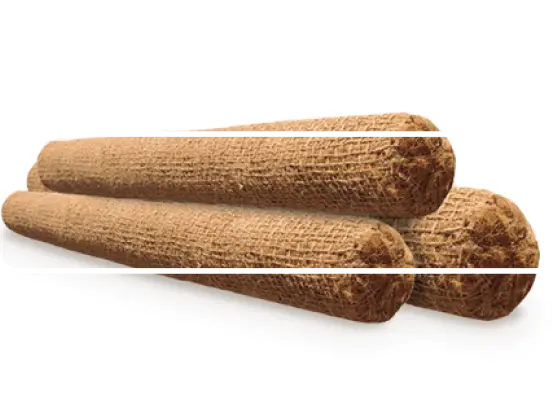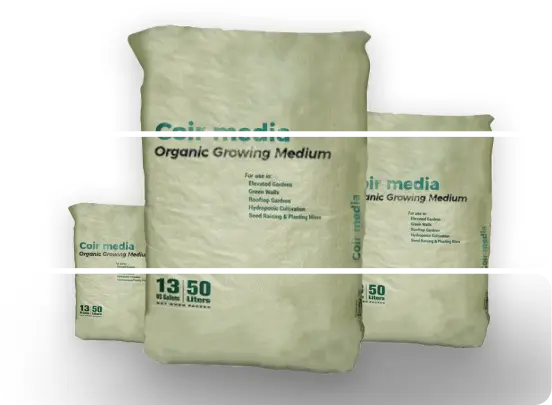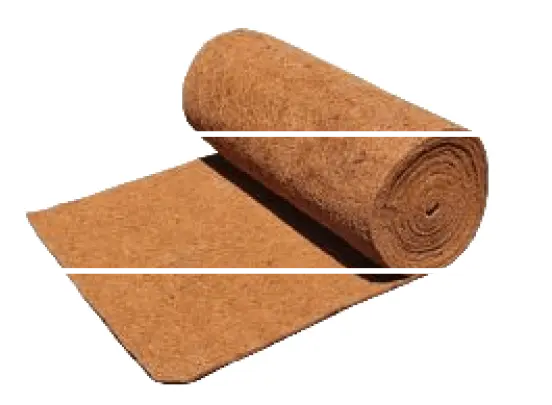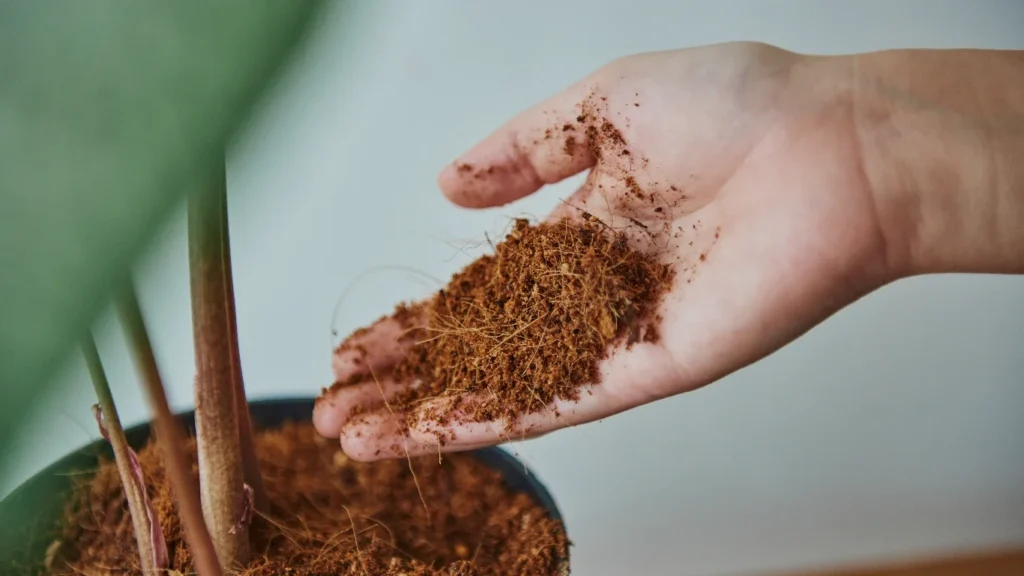
Coco coir has become the growing medium of choice for home growers, greenhouse growers, and commercial farmers. Derived from the fibres in coconut husks, it has excellent moisture retention and aeration, and is lightweight for healthy root growth. But even the best growing medium can deliver poor results if it is used improperly.
Overwatering, improper watering, bad drainage, improper pH, and nutrient deficiencies and excesses of nutrient levels. These are four of the most common mistakes made when growing with coconut coir, and we aim to dispel some of them, giving you better results for your crop.
The most common error you can make with coco coir is watering too often and indiscriminately. While coco can hold plenty of moisture, it is not an indication that your plants need watering every day or multiple times a day.
When the root zone is too moist, the amount of available air to the roots may be decreased, especially if the soil is fine-textured or compacted. Poor aeration can negatively impact root function and root health.
How to prevent it: Measure the moisture level of the medium before watering again. Take into account the species, container size, temperature, humidity, and growth stage when planning an irrigation routine. Allow excess water to drain easily out of containers and grow bags.
While coco coir holds a lot of moisture, there’s still the potential for plant water stress if watering isn’t adequate. This is most likely to happen in warm conditions, when plants are growing quickly, and when they’re in pots with relatively small amounts of substrate volume.
Extremely dry coco coir makes it hard to control watering. The plant can become stressed, with wilting or curling leaves and slow development.
How to prevent it: Maintain regular watering as per crop requirements instead of watering according to a fixed time plan. Water at regular intervals by keeping a regular check on moisture and irrigate as per climatic conditions. Drip irrigation should be used in commercial systems to avoid uneven water delivery to the root zone.
The pH of the grow medium directly impacts plant availability of nutrients. Deficiencies can occur even if nutrients are available if the pH is not adequate.
But coco coir has not solved the problem of pH management. PH will change over time due to irrigation water, pH of fertilizers, crop consumption, and the root zone.
How to avoid it: Test the pH of the water source and the growing media regularly with an appropriate test method. Follow the crop requirements and the given pH recommendations for the specific growing system when preparing nutrient solutions. Do not correct the pH by large amounts without testing, as this can cause more issues.
Coco coir offers a place for roots to grow, but it is not a complete fertilizer for the plant. It’s important that growers remain vigilant about fertilization during crop production.
Too much and too little of a nutrient can both cause issues. Yellowing leaves, poor development, leaf margins, and stunted flowering can be due to a lack of nutrients but these can also be caused by watering or root problems.
It is also worth noting that there are some nutrients, namely calcium, magnesium and potassium, which may potentially react with coco, depending on the state of the coir and the nutrient solution being fed.
How to prevent: Adopt a fertilizer program suited to a coco growing system. Provide the plant with tailored plant food as per its growth phase, and observe plant health in combination with pH and EC in the root zone. Never load on additional fertilizer from leaf symptoms alone, or before considering probable reasons.
All coco coir substrates do not have the same physical and chemical properties. Variations in the way coco coir is processed, washed, buffered, particle size, consistency, and so on can affect the performance of a substrate.
If coir is not well processed, it could either have too much soluble salt or have inconsistent water-holding and drainage properties. Both of these issues can cause variable irrigating and feeding conditions for sensitive crops and growers.
How to prevent it: Read the product specs before buying coco coir. If available, review the EC, pH, processing, particle size, and buffering information. In commercial production, batch consistency and proper documentation can be very useful.
Partnering with an established coir products manufacturer will help growers determine which products are appropriate for their crops, production procedures, and watering technique.
The coir is sold in a variety of forms, for example fine coir pith, fibres and coir chips. All these structures have different physical properties and can affect the water retention/aeration of the root zone.
More moisture is retained in fine coir, although larger particles of coir or coir chips may have more air spaces and better drainage. Particle size, compaction, size of container and the ratios used will be responsible for the actual results.
Think about the type of root zone you will need, how often you will be irrigating, where you will be growing, and the type of container you are using. You might choose fine coir in systems with a need for more moisture retention. Coarser material or blends with greater formulation may be necessary.
In grow-bag systems and greenhouse production, physical characteristics of the root zone play a key role in irrigation management. The right structure can enable growers to establish the right balance of water-holding capacity, drainage, and air.
Electrical conductivity (EC): EC measures the dissolved ionic content of a solution and is most commonly used to quantify nutrient strength and level of soluble salts in a solution. Excessively high EC can prevent plants from absorbing water from a substrate.
Salts from irrigation water, fertilisers, or poorly washed coco coir may build up and cause stress, which can manifest as leaf tip burn, slowed growth, or other symptoms which may be confused with a nutrient deficiency.
How to avoid it: Test EC of the incoming water, nutrient solution, and root-zone drain when possible. Select coir products based on salt specifications and implement a crop-specific nutrient-management plan. If salt levels rise, understand the cause before making irrigation or leaching adjustments.
Waterlogging or nutrient leaching should be avoided by drainage capacity and water quality considerations. Any corrective leaching also need to take into consideration the crop requirements.
Before planting a subsequent crop, it should be assessed whether coir can be reused or not. As irrigation is repeated and roots of previous plants grow and rot, the physical structure will differ. It may have accumulated fertiliser salts and dead roots/plant material present sanitation risk.
Using recycled incompatible material can lead to inconsistent moisture, aeration and nutrients.
How to avoid it: Evaluate the substrate for compaction, breakdown, salt build-up and residual organic matter. Measure pH and EC if required and evaluate if the coir is still capable of providing good drainage and aeration. Clean and process reusable media with steps appropriate to the crop and culture.
If the previous crop had a root disease or other health problem related to the substrate, don’t reuse the material without having it tested first. Sometimes removing the substrate is better.
Coco coir can be an effective growing medium, but successful cultivation depends on more than choosing a suitable product. Overwatering, underwatering, poor pH control, nutrient imbalances, excessive salts, and unsuitable substrate structure can all interfere with plant growth.
Growers can avoid many of these problems by monitoring moisture, maintaining appropriate nutrient levels, checking pH and EC, and selecting a substrate that matches their crop and irrigation system. Proper preparation and evaluation are equally important when considering reuse.
CoirMedia offers coco coir growing solutions for growers looking for substrates suited to different cultivation requirements. By combining suitable growing media with informed irrigation and nutrient management, growers can create a more consistent root environment and support healthier plant development.

Mathew is a product designer and engineer at Coirmedia, where he combines his passion for sustainability with his design and engineering expertise. He develops innovative coir products that are not only functional but also eco-friendly. Driven by a desire to share his knowledge, Neil is passionate about writing and teaching, aiming to educate others about his ideas, innovations, and the technology behind them.