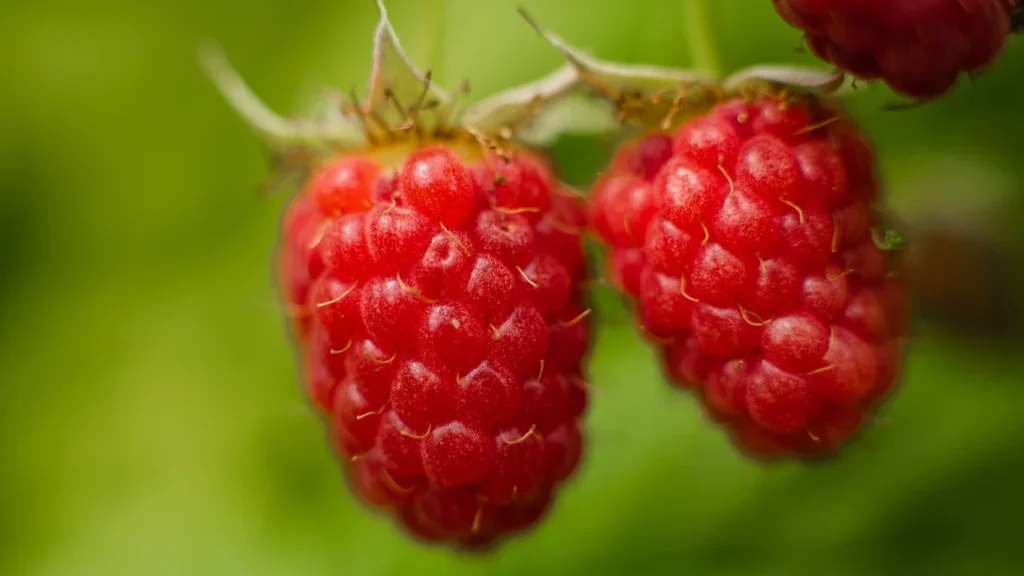
To successfully grow raspberries, it all begins with providing the appropriate growing conditions. A raspberry plant’s growth conditions include temperature, irrigation, light, and nutrition-all of which influence how it performs; however, so does a raspberry plant’s growing medium. A raspberry growing medium helps raspberry roots by nourishing them with water, oxygen, nutrients, and physical support.
Advantages and Disadvantages: For growers cultivating crops using containers, grow bags, protected cultivation, or raised beds, selecting the appropriate growing medium can have a positive impact on root growth, plant health, and fruit yield.
Raspberries will like a medium that drains efficiently but nonetheless remains moist so the roots do not dry out. They need oxygen from beneath, and very soggy media isn’t what they want.
The precise balance will vary based on the system used, local weather conditions, the type of irrigation, and the raspberry variety.
Water management is one of the most important aspects to consider when choosing a raspberry substrate. The growing medium must maintain sufficient moisture between irrigations but not be waterlogged.
Too much water retention by the substrate can reduce the amount of air available around the roots. Too rapid drainage of water may require you to water more often. This is crucial in containers and grow bags as root zone buffer capacity is less than soil.
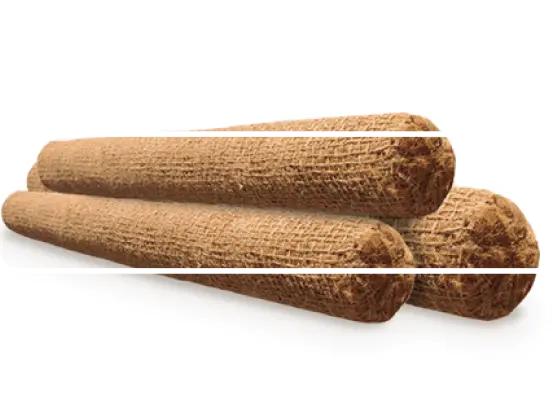
Growing medium coco coir is often used in soilless growing systems as it can strike a balance between drainage and water retention. Choose the grade of coir based on particle size and physical characteristics to match your irrigation methodology and growing system.
Healthy raspberry roots require moisture and air. Water retention is not the only measure of a soil or root zone.
The presence of some air porosity in the medium enables the roots to have access to oxygen, and at the same time excess water can drain from the root zone. Increasing coarse particle sizes can improve the drainage and aeration while finer materials can enhance water-holding capacity.
For commercial production, consider how the physical factors of the medium alter over time. Breakdown or compaction can eliminate air space and drainage, which may impair crop performance late in the crop cycle.
Getting Growing Media Right: Working with a knowledgeable coir products manufacturer can provide growers with the coir grade recommendations that best fit their irrigation system and production needs.
Raspberries typically thrive under mildly acidic fruiting conditions. So the PH of the media must be appropriate, and the media must not contain an excess of salts which can accumulate in the root zone.
Electrical conductivity (EC): In soilless cultivation, one critical parameter is the EC, as it is worth noting that solution nutrient levels change rapidly in response to irrigation and fertigation. Find out the substrate EC and take the quality of irrigation water and the fertilizer used into consideration.
Pre-buffered or pre-treated growing media can reduce the time spent managing a crop, but that media should be checked periodically during crop production.
Repeatability is critical when growing raspberries commercially; if the physical qualities of the medium are different from batch to batch, it can make controlling moisture and nutrients more challenging.
A uniform substrate enables the grower to plan more consistent irrigation frequency and apply a more uniform root zone environment.
That is why many commercial growers prefer to buy from custom suppliers instead of using subpar local materials.
The best substrate is unlikely to be identical for all raspberry growers. It should be based on the way you grow your crop and the conditions under which it is grown.
For instance, a grow bag system will have a vastly different type of substrate as opposed to a medium for outdoor containers. Climate is another consideration. In hot, dry climates, the retention of moisture becomes more critical, while a humid climate makes drainage and aeration even more vital.
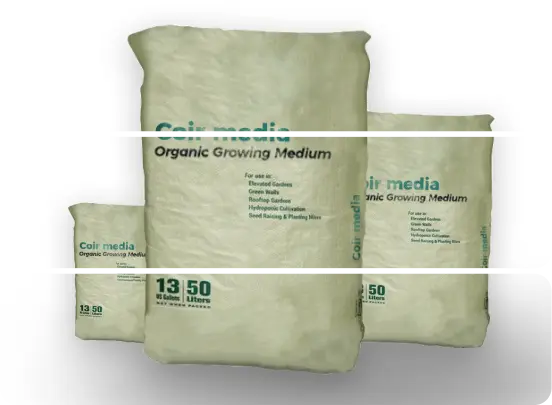
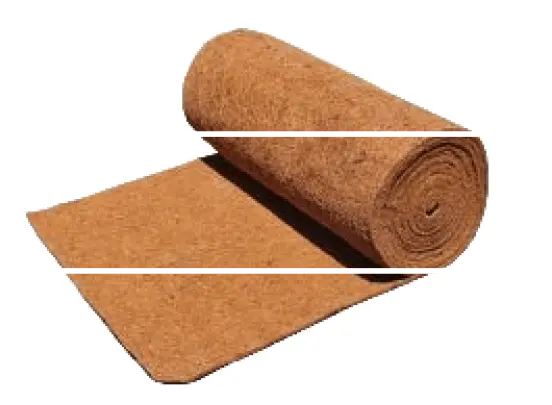
Widely used as an ingredient in soilless growing media, Coco coir is valued for its light weight and ability to hold both water and air. It may be used as part of the growing medium in conjunction with other ingredients, or as a stand-alone medium.
The various coir formats- chips, fiber, or pith have different physical properties. A grower has the flexibility of selecting a specific material or combinations of materials to have a perfect balance of good drainage, aeration and water retention.
But not all coir is created equal. Particle size, processing, washing, buffering and storage can all influence the quality and suitability of coir for pot production. Work with a dependable supplier and review specifications before you plant to help prevent issues at the end of the crop cycle.
The selection of substrate is just the beginning. As raspberry production progresses, growers must continually observe the root zone and be ready to adapt irrigation and fertilization practices.
Monitoring can also provide information about whether the substrate is drying out too fast, sitting too wet, or collecting salts.
The experience of best raspberry growers demonstrates the importance of regarding substrate management as part of crop management, not just a one-time purchase.
So the simple answer to what media is best for raspberries is: anything that makes a stable environment for the roots. Good moisture holding, drainability, aeration, pH, salt content, and physical stability all help in producing healthy plants and a reliable crop.
Using coir as a growing medium may be a useful tool in several soilless raspberry production systems – when growers choose the right type of coir based on crop, irrigation, climate, and method of production. Making this adjustment between fruiting cycles and assessing the growing medium during the season can improve raspberry root conditions and promote consistent fruit yields.

Mathew is a product designer and engineer at Coirmedia, where he combines his passion for sustainability with his design and engineering expertise. He develops innovative coir products that are not only functional but also eco-friendly. Driven by a desire to share his knowledge, Neil is passionate about writing and teaching, aiming to educate others about his ideas, innovations, and the technology behind them.