Two tomato plants last spring told quite a story. Planted barely ten feet apart, one shot up six feet tall with fruit clusters everywhere. The other? Pathetic little thing stayed short, produced maybe three tomatoes total. What made the difference? Dirt. Plain and simple. Growing your own vegetables brings immense satisfaction, but success begins with one fundamental element: soil. Whether you’re planning a traditional in-ground garden or considering raised bed gardening, understanding soil composition makes the difference between a thriving harvest and disappointing results. This comprehensive guide explores the best soil options for vegetable gardens, with special attention to raised bed setups and premium growing mediums.
People jump straight into planting without checking what’s underneath. Big mistake. Poor soil equals poor results, guaranteed.
Really good dirt feels alive in your hands. Squeeze some after rain – holds its shape, then falls apart when you poke it. Smells rich, not funky. Worms everywhere. Healthy soil serves as the foundation for vigorous vegetable growth. Unlike ornamental plants that might tolerate poor conditions, vegetables demand nutrient-rich, well-draining soil with proper pH levels. The ideal vegetable garden soil combines three essential components: drainage, nutrition, and structure.
Vegetables act spoiled compared to other plants. That tough shrub outside? Thrives on neglect. Vegetables? They want everything perfect or they sulk. Bad soil means wimpy plants and tiny harvests.
Most vegetables thrive in slightly acidic to neutral soil with a pH range of 6.0 to 7.0. This range allows plants to absorb nutrients efficiently while preventing common deficiencies that plague vegetable gardens. Soil structure matters equally – vegetables need loose, crumbly soil that allows roots to penetrate easily while providing adequate air circulation.
Carrots tell the whole story perfectly. Plant them in hard clay and you get stubby, twisted things that look weird. Plant the exact same seeds in good, loose soil and boom – long, straight, beautiful carrots. Night and day difference.
Traditional garden soil often falls short of these requirements. Heavy clay soils retain too much moisture, leading to root rot and stunted growth. Sandy soils drain too quickly, washing away nutrients before plants can utilize them. This reality drives many gardeners toward raised bed systems and specialized growing mediums.
Raised bed gardening has revolutionized home vegetable production. These elevated growing spaces offer superior drainage, easier maintenance, and complete control over soil composition. Unlike traditional gardens where you’re stuck with existing soil conditions, raised beds allow you to create the perfect growing environment from the ground up.
Boxes changed everything for backyard growers. No more dealing with whatever crappy soil nature dealt you. Build a frame, fill it with good stuff, done.
The benefits extend beyond soil control. Raised beds warm up faster in spring, extending growing seasons in cooler climates. They also provide better accessibility, reducing back strain during planting, weeding, and harvesting. For urban gardeners dealing with contaminated soil or poor drainage, raised beds offer the only viable solution for safe food production.
City folks especially love these things. Ground dirt in urban areas? Often contaminated with who-knows-what from decades of pollution. Raised beds solve that problem completely. Plus, no more killing your back bending over to weed.
However, raised bed success depends entirely on choosing the right growing medium. Regular garden soil becomes too heavy and compacted when contained in raised structures. Instead, successful raised bed gardens require specially formulated soil mixes that maintain structure while providing optimal nutrition and drainage.
Here’s where people mess up though – they grab regular dirt and dump it in boxes. Bad idea. That stuff turns into concrete once it’s contained. Need special mixes that stay fluffy and drain right.
The best soil for vegetable gardens combines several key ingredients, each serving specific purposes. Organic matter forms the backbone, typically comprising 25-30% of the total mix. This includes compost, aged manure, and decomposed plant materials that slowly release nutrients while improving soil structure.
Think of it like baking a cake – wrong ingredients, terrible results. Compost and old manure? That’s the good stuff that feeds plants slowly over time. Not like chemical fertilizer that hits fast then disappears.
Drainage amendments prevent waterlogging, which quickly kills vegetable plants. Perlite, vermiculite, and coarse sand create air pockets that allow excess water to drain away while maintaining adequate moisture levels. The balance between retention and drainage determines whether plants thrive or merely survive.
Those white chunky bits in fancy soil? That’s perlite – volcanic glass that keeps things from getting soggy. Sounds weird but works amazing. Too much water kills plants faster than drought does.
Potting Mix represents the evolution of these principles. Modern formulations combine traditional organic matter with advanced amendments designed specifically for container and raised bed growing. These mixes eliminate the guesswork involved in creating soil blends from scratch while ensuring consistent results across different growing conditions.
Contemporary vegetable gardening benefits from scientifically formulated growing mediums that outperform traditional soil blends. Coirmedia has developed innovative Potting Mix solutions that address common challenges faced by home gardeners. Their products combine coconut coir fiber with carefully selected amendments to create optimal growing conditions.
The company offers several specialized formulations, each designed for specific applications. Their Perlite Mix represents a cutting-edge solution for plant cultivation, incorporating volcanic glass particles that improve drainage while maintaining moisture levels. This combination prevents both drought stress and root rot, common problems in traditional vegetable gardens.
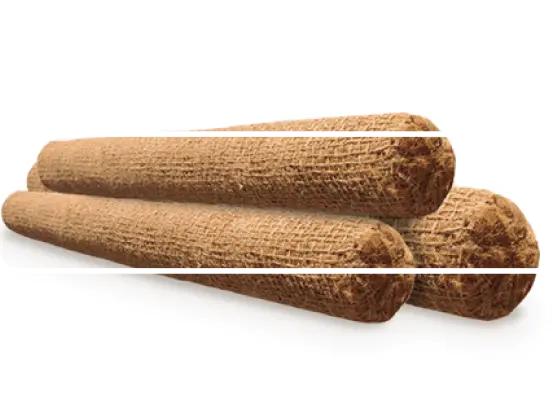
For gardeners seeking sustainable options, Coirmedia’s Chips Mix provides an environmentally conscious alternative. This thoughtfully formulated mixture of coir fibers creates optimal conditions for plant growth while utilizing renewable coconut byproducts. The fibrous structure promotes healthy root development while maintaining the loose texture vegetables require.
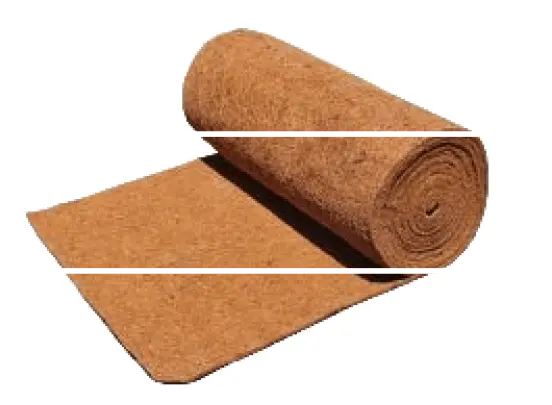
Cocopeat has emerged as a game-changing component in modern vegetable gardening. Derived from coconut husks, this natural fiber provides exceptional water retention capabilities while maintaining proper drainage. Unlike peat moss, which can become hydrophobic when dry, cocopeat rewets easily and maintains consistent moisture levels.
Ever tried rewetting dried-out peat moss? Nightmare. Water just rolls right off like it’s coated in wax. Cocopeat? Drinks it up instantly. Made from coconut shells that would otherwise get tossed in landfills.
Coirmedia’s Cocopeat Soil represents a top solution tailored for optimal plant cultivation. The material’s unique cellular structure holds water efficiently while creating air spaces necessary for root respiration. This dual function eliminates the common problem of choosing between moisture retention and proper drainage.
Plants need wet feet and dry feet at the same time – sounds impossible but cocopeat pulls it off. Those tiny coconut fibers work like little sponges with built-in air pockets. Roots stay happy instead of drowning or drying out.
The sustainability factor cannot be overlooked. Traditional peat harvesting destroys sensitive bog ecosystems that take centuries to develop. Cocopeat utilizes waste products from coconut processing, creating a renewable resource that doesn’t harm natural habitats. For environmentally conscious gardeners, this represents the perfect marriage of performance and responsibility.
Regular peat mining basically strips ancient swamps bare. Takes hundreds of years for those bogs to grow back. Meanwhile, coconut farms produce tons of husks every day that usually just get burned or dumped. Using that waste instead? Smart move that doesn’t wreck the planet.
Modern Potting Mix formulations serve diverse applications in vegetable gardening. Coirmedia Potting Mix provides an ideal balance of hydration, nutrients, and airflow, promoting vibrant plant and crop growth. This combination creates optimal conditions for plants and crops to flourish across various growing scenarios.
Containers are tricky business. Regular dirt weighs a ton and turns into concrete when watered. Container vegetable gardening benefits immensely from specialized potting mixes. Traditional soil becomes too heavy for containers, often leading to drainage problems and root issues. Premium mixes maintain proper texture while providing the nutrition vegetables need for productive growth.
Ever wonder why store-bought tomatoes in pots look so pathetic? Wrong dirt. Heavy stuff kills drainage, roots get mushy, plants give up. Good mixes stay fluffy even after months of watering.
Seed starting represents another critical application. Vegetable seedlings require fine-textured, well-draining soil that won’t crust over as it dries. Standard potting mixes often contain particles too large for small seeds, leading to poor germination rates. Specialized formulations address these concerns while providing gentle nutrition for developing plants.
Tiny seeds hate chunky soil. Those big bark pieces in cheap mixes? Seeds can’t push through that stuff. Need something smooth that doesn’t turn crusty when it dries out. Otherwise half the seeds just sit there doing nothing.
Understanding the features that distinguish premium Potting Mix helps gardeners make informed choices. Coirmedia’s formulations exemplify these essential characteristics, beginning with High Water Retention capabilities. Their mixes retain moisture effectively, reducing the need for frequent watering while preventing drought stress that commonly affects vegetable plants.
Nobody wants to water plants three times a day. Good soil holds onto water without getting soggy. Saves time and keeps plants from wilting when it gets hot outside.
Custom sizing represents another crucial feature. Quality mixes are ideal for all kinds of container or potted plants, from small herb pots to large raised bed installations. This versatility eliminates the need for multiple products while ensuring consistent results across different applications.
Why buy five different bags when one works for everything? Small pots, big boxes, doesn’t matter. Same stuff works whether growing basil on the windowsill or filling entire raised beds.
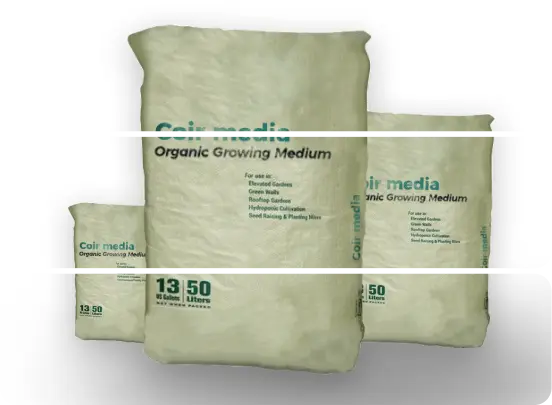
Diverse gardening applications make premium mixes valuable investments. Coirmedia Potting Mix Bag offers versatile solutions for diverse gardening applications, including container gardening, seed starting, and raised beds. Its excellent moisture retention promotes healthy plant growth while remaining perfect for both indoor and outdoor gardening scenarios.
One bag handles the whole garden operation. Start seeds indoors, transplant to containers, fill raised beds outside. No guessing which product works where.
The 100% natural composition ensures safety for food production. Premium mixes are made with 100% natural ingredients with no chemicals added. This purity is essential for vegetable gardening, where chemical residues can accumulate in edible portions of plants.
Chemical-free dirt matters when growing food. Nobody wants mystery ingredients ending up in their salad. Natural stuff breaks down clean without leaving nasty residues behind.
Organic matter forms the living component of healthy soil ecosystems. Quality potting mixes are Rich in Organic Matter, with coir mixes containing organic materials that add nutrients to the soil, enhancing fertility and improving plant growth. This organic content provides slow-release nutrition that feeds vegetables throughout the growing season.
Living dirt beats dead dirt every time. All those decomposed plant bits and coconut fibers? They’re like tiny nutrient factories working 24/7. Plants get fed steadily instead of getting blasted with fertilizer then starving later.
The biological activity generated by organic matter creates additional benefits. Beneficial microorganisms break down organic materials, releasing nutrients in forms plants can readily absorb. These same microorganisms help protect plants from soil-borne diseases while improving overall soil health.
Millions of microscopic critters live in good soil, chomping away at organic stuff and turning it into plant food. These little guys also fight off bad bacteria and fungi that would otherwise kill plants. It’s like having a tiny army protecting the roots.
Organic matter also improves soil structure over time. As it decomposes, organic materials create stable aggregates that maintain soil porosity. This structure remains intact through multiple growing seasons, unlike synthetic amendments that break down quickly.
Fake stuff falls apart fast – organic matter gets better with age. Those decomposing materials actually glue soil particles together in just the right way. Keeps everything loose and airy for years instead of turning into muck after one season.
Selecting the best soil for vegetable gardens involves balancing performance with practical considerations. Premium Potting Mix formulations address many practical concerns while delivering superior growing results. Weight becomes a significant factor, particularly for raised beds and container gardens.
Ever tried hauling 40-pound bags of dirt around the yard? Back-breaking work. Heavy soil might grow great plants, but if it throws out your back, what’s the point?
Coirmedia Potting Soil Bag is Friendly to handle – lightweight and easy to manage. This characteristic protects roots while making plants healthier, but also reduces physical strain during garden setup and maintenance. Heavy soil mixes create transportation and handling challenges that deter many gardeners from optimal soil choices.
Light bags save marriages. Seriously. No more arguing about who’s gonna move all that heavy dirt. One person can easily carry these bags from the car to the garden without calling for backup.
Storage considerations also influence soil selection. Bagged mixes offer convenience and consistent quality, eliminating the uncertainty associated with bulk soil purchases. Potting Mix Bag products maintain quality during storage while providing measured quantities for specific projects.
Buying dirt by the truckload sounds cheap until half of it sits in a pile getting rained on for months. Bags stay fresh in the garage and you know exactly how much you’re getting. No surprises, no waste, no soggy mess to deal with.
The best soil for vegetable garden raised bed applications goes beyond basic nutrition and drainage. Premium formulations create complete growing environments that support plant health from germination through harvest. This comprehensive approach addresses multiple factors that influence vegetable production.
Good dirt does way more than just feed plants. It’s like setting up a luxury hotel for roots – everything they need is right there waiting.
Temperature regulation represents one often-overlooked benefit of quality soil mixes. Dense, heavy soils remain cold longer in spring, delaying planting and reducing growing seasons. Light, well-structured mixes warm up quickly while maintaining stable temperatures throughout the day.
Heavy clay soil acts like a giant ice cube in spring. Takes forever to warm up, which means waiting weeks longer to plant anything. Light mixes heat up fast when the sun hits them, giving plants a head start on the growing season.
Root zone aeration ensures healthy plant development. Vegetables develop extensive root systems that require constant oxygen access. Compacted or poorly structured soils limit root growth, directly impacting above-ground plant development and fruit production.
Roots need to breathe just like people do. Pack dirt too tight and they suffocate. Ever notice how plants in hard-packed soil look stunted? Their roots can’t spread out and grab nutrients, so the whole plant suffers. Loose soil lets roots stretch out and do their job properly.
Environmental responsibility increasingly influences gardening decisions. Coir Product Manufacturer companies like Coirmedia lead sustainable practices by utilizing renewable coconut industry byproducts. This approach reduces waste while providing superior growing mediums for vegetable production.
More folks care about where their garden supplies come from these days. Nobody wants to wreck the environment just to grow better tomatoes. Using coconut shells that would otherwise get tossed? Smart way to help the planet while growing food.
Traditional soil amendments often involve environmentally destructive harvesting practices. Peat moss extraction destroys ancient bog ecosystems, while vermiculite mining creates landscape disturbance. Coconut-based alternatives provide comparable or superior performance without environmental costs.
Peat bog mining is brutal – strips away wetlands that took thousands of years to form. Vermiculite comes from blasting mountains apart. Meanwhile, coconut farms produce tons of husks every day that nobody wants. Why destroy pristine wilderness when there’s perfectly good waste material sitting around?
The circular economy principles embedded in coconut coir utilization create positive environmental impacts. Rather than disposing of coconut processing waste, manufacturers convert these materials into valuable gardening products. This transformation reduces landfill burden while creating renewable growing mediums.
It’s genius really – turning trash into treasure. Coconut processors used to burn those husks or dump them in landfills. Now they sell them to soil companies instead. Less waste, better gardens, everybody wins. Plus coconuts keep growing year after year, so the supply never runs out.
Successful vegetable gardening requires understanding how soil performance changes throughout growing seasons. Premium Potting Mix formulations maintain consistent performance despite temperature and moisture fluctuations that affect traditional soils.
Weather messes with regular dirt something fierce. Hot days, cold nights, dry spells, downpours – cheap soil can’t handle the rollercoaster. Good mixes just keep doing their job no matter what Mother Nature throws at them.
Spring soil preparation traditionally involves extensive amendments and conditioning. Quality potting mixes eliminate this preparation time while providing immediate planting readiness. This advantage extends growing seasons by allowing earlier planting without soil warming delays.
Remember spending weekends in March digging in compost and fertilizer? What a pain. Premium stuff comes ready to plant – just rip open the bag and go. Start planting weeks earlier instead of waiting for dirt to warm up and amendments to work in.
Summer heat stress challenges many growing mediums. Poor-quality soils either retain too much heat, cooking plant roots, or dry out completely, requiring constant irrigation. Balanced formulations moderate temperature extremes while maintaining adequate moisture levels.
Cheap dirt turns into concrete when it’s hot or becomes dust when it’s dry. Plants either get cooked alive or die of thirst. Quality mixes act like air conditioning for roots – keeping things cool when it’s blazing and moist when it’s bone dry outside.
Experienced gardeners often modify basic potting mixes to address specific crop requirements or growing conditions. Understanding base formulations allows for targeted improvements without disrupting overall soil balance.
Old-timers know how to tweak store-bought mixes for tricky plants. They don’t reinvent the wheel – just add a pinch of this or that to fix specific problems. Smart approach that doesn’t mess up what’s already working.
Calcium additions benefit tomatoes, peppers, and other calcium-demanding vegetables. Bone meal or gypsum supplements can be incorporated into base mixes without affecting drainage or structure. These amendments address specific nutritional needs while maintaining overall soil performance.
Tomatoes get blossom end rot without enough calcium – looks like black bruises on the bottom. Toss some bone meal in the mix and problem solved. Doesn’t change how the soil drains or feels, just gives plants what they’re craving.
pH adjustments accommodate crops with specific requirements. Blueberries and other acid-loving plants benefit from sulfur additions, while brassicas prefer slightly alkaline conditions achieved through lime incorporation. Base mix quality determines how well these modifications perform.
Some plants are picky about pH levels. Blueberries want sour soil, cabbage family prefers it sweet. Add sulfur for acidic conditions, lime for alkaline. But here’s the catch – junk soil won’t hold these changes. Good base mix keeps the adjustments stable all season long.
Even quality potting mixes can develop issues without proper management. Understanding common problems and their solutions helps maintain optimal growing conditions throughout the season.
Nothing stays perfect forever, even expensive dirt. Plants are messy – they eat nutrients, compact soil with their roots, and generally make a mess of things. Keep an eye out for trouble before it kills everything.
Compaction occurs when soil particles settle together, reducing air space and drainage. This problem typically develops in mixes containing excessive fine particles or inadequate drainage amendments. Prevention involves selecting properly formulated mixes and avoiding overwatering.
Soil gets packed down over time, especially when there’s too much fine dust in the mix. Water starts pooling on top instead of soaking in. Usually happens from drowning plants with the hose every day. Less water, better drainage materials – problem solved.
Nutrient deficiencies sometimes develop in container and raised bed systems where nutrients cannot migrate from surrounding soil. Regular feeding with balanced fertilizers addresses these deficiencies while maintaining soil health.
Plants in containers eat everything and can’t reach out for more food like ground plants can. Yellowing leaves usually mean they’re starving. Feed them regularly with liquid fertilizer or they’ll just sit there looking pathetic all season.
Initial soil investment significantly impacts overall gardening costs. While premium Potting Mix products cost more upfront, their performance and longevity often provide better value than cheaper alternatives.
Good dirt costs more but pays for itself. Cheap stuff seems like a bargain until half the plants die and the soil turns to mush by July. Spending extra at the start saves money and headaches later.
Yield improvements from quality growing mediums often justify higher soil costs. Vegetables grown in optimal conditions produce larger harvests with better quality, offsetting premium soil expenses through reduced grocery bills.
One tomato plant in great soil can produce 20 pounds of fruit. Same plant in crappy dirt? Maybe 5 pounds of sad, stunted tomatoes. Do the math – premium soil pays for itself with the first harvest. Plus homegrown tomatoes actually taste like something.
Soil longevity factors into economic calculations. Quality mixes maintain structure and performance for multiple growing seasons with minimal amendments. Cheaper soils often require complete replacement annually, increasing long-term costs.
Cheap soil falls apart after one season – turns into concrete or dust depending on the weather. Good mixes keep working for years with just a little compost added each spring. Buy once, use for three seasons versus buying new dirt every year. Easy choice.
Innovation continues advancing vegetable garden soil technology. Slow-release fertilizer integration eliminates separate feeding programs while providing consistent nutrition throughout growing seasons. These technologies simplify gardening while improving results.
Soil companies keep getting smarter about what plants need. Now they’re mixing time-release fertilizer pellets right into the dirt. No more weekly feeding schedules or burned plants from too much fertilizer at once. Just plant and forget.
Biochar incorporation represents another emerging trend. This charcoal-like material improves soil structure while sequestering carbon, addressing both gardening performance and environmental concerns. Early results suggest significant benefits for vegetable production.
Biochar sounds fancy but it’s basically burned wood chips that hold nutrients and water like tiny sponges. Bonus – it locks carbon out of the atmosphere for decades. Environmental do-gooders love it, and plants seem to grow better with it mixed in.
Mycorrhizal inoculation introduces beneficial fungi that enhance nutrient uptake and disease resistance. These biological amendments work synergistically with quality soil mixes to create superior growing environments.
Microscopic mushrooms team up with plant roots to grab nutrients from way farther away than roots can reach alone. It’s like giving plants superpowers – they can find food and fight off diseases better. Nature’s been doing this for millions of years, we just figured out how to bottle it.
Selecting the best soil for your vegetable garden requires balancing multiple factors: performance, sustainability, convenience, and cost. Premium Potting Mix solutions from reputable Coir Product Manufacturer companies like Coirmedia offer comprehensive answers to these challenges.
Choosing dirt shouldn’t be rocket science, but there’s a lot to consider. Want something that works great, doesn’t trash the planet, comes in manageable bags, and won’t break the bank. Companies like Coirmedia actually figured this out instead of making gardeners choose between good and cheap.
Whether you’re establishing new raised beds or improving existing growing systems, investing in quality growing mediums pays dividends in plant health, harvest quality, and gardening satisfaction. The science-based formulations available today eliminate much of the guesswork traditionally associated with soil preparation.
Good soil is like good insurance – costs more upfront but saves headaches later. No more mixing random stuff in wheelbarrows hoping it works. These companies spent years testing what plants actually need, so why reinvent the wheel?
Remember that soil forms the foundation of successful vegetable gardening. While seeds, plants, and techniques matter, they cannot overcome poor soil conditions. Starting with premium growing mediums like Coirmedia’s specialized formulations sets the stage for gardening success that extends throughout the growing season and beyond.
Everything else is just window dressing if the dirt stinks. Best seeds in the world won’t grow in concrete. Perfect watering schedule means nothing if the soil can’t hold moisture. Get the foundation right first, then worry about fancy techniques.
The evolution from traditional garden soil to modern potting mix technology represents more than convenience – it reflects our growing understanding of plant biology and soil science. By choosing scientifically formulated growing mediums, today’s vegetable gardeners can achieve results that previous generations could only dream of achieving.
Grandpa’s dirt-and-manure approach worked, but barely. Today’s mixes are like comparing a horse cart to a sports car. Same basic job, way better performance. Plants grow bigger, produce more, and handle stress better than ever before.

Mathew is a product designer and engineer at Coirmedia, where he combines his passion for sustainability with his design and engineering expertise. He develops innovative coir products that are not only functional but also eco-friendly. Driven by a desire to share his knowledge, Neil is passionate about writing and teaching, aiming to educate others about his ideas, innovations, and the technology behind them.