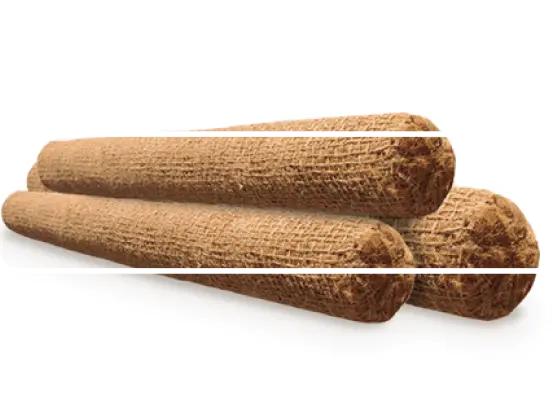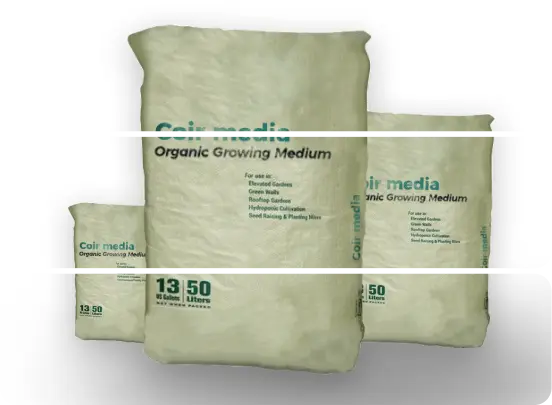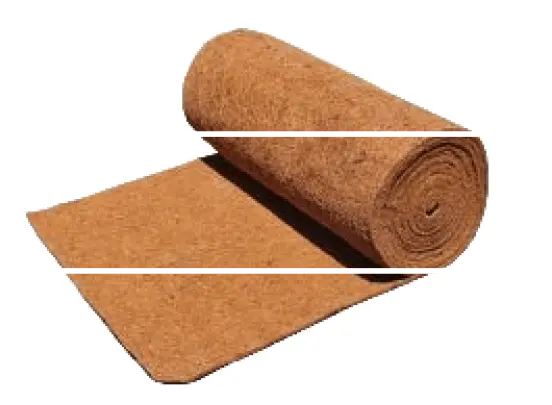
The global market for compressed coco coir blocks has seen a major rise in tide in the past few years. This growth is stimulated by the ever-increasing demand for sustainable growing methods, horticulture, and environmentally conscious farming methods. These factors, paired with the incredible features such as aeration, excellent water retention, and the renewable nature of coco coir blocks, keep boosting the market growth to all-time highs.
The latest market research and reports indicate that the market will continue to grow positively and predict steady growth through 2035. The market is forecast to grow at a compound annual growth rate (CAGR) of approximately 7–9%, with demand continuing to rise across Europe, North America, Asia-Pacific, and the Middle East.
Most experts point to one major driver of market growth: sustainable farming. With public players and government bodies pushing for more holistic methods of farming, farmers have begun to opt for coco coir blocks as the primary alternative for peat moss, whose extraction process has raised the eyebrows of many countries.
Unlike Peat moss, coco coir is a natural side-product derived from the coconut husks that, if not used, will end up becoming agricultural waste. When it gets compressed in processing, it transforms into a lightweight and easy-to-transport product. One of the major advantages of coco coir is that it can expand several times its original size after hydration. This feature makes it the perfect growing medium for nurseries and home gardening.
People who grow plants for money really like to use coco coir blocks. This is because coco coir is very good at keeping the amount of water for the plants. It also helps the roots of the plants get air.
Lots of people use coco coir, like the people who grow plants in greenhouses, the people who grow vegetables, the people who grow flowers, and the people who have nurseries. They all like coco coir because it helps their plants grow well.
The world is going to need food, so people are going to start growing more plants in special buildings. This means they will need soil to grow these plants. Coco coir is a choice for this. Over the next ten years, the market for coco coir is going to get a lot bigger because of this trend.
Hydroponic farming and Vertical Farming are changing the way food is made all over the world. These new ways of farming need soil that drains well and keeps the water and pH levels just right.
Coco coir blocks are a choice for this because they are not too heavy and are easy to use. They work well with machines that water the plants automatically, which is great for big Hydroponics farms. This is why people will keep wanting to use them for a time.
More people are putting money into city farms and special greenhouses, which will give companies that make things for Hydroponics and Vertical Farming chances to grow until 2035. This means Hydroponics and Vertical Farming will keep getting bigger.
India is one of the largest producers and exporters of coco coir products worldwide. The country, along with Sri Lanka, provides a high percentage of the world’s raw coir pith, which is used to create compressed blocks. The export-oriented processing facilities are increasing production capacity to meet the growing international demand.
It is becoming increasingly important for importers and distributors to choose an experienced coir product manufacturer for consistent product quality. The washing and buffering of coco coir, low EC, moisture content, and compression standards affect the performance of coco coir in commercial applications.
Global Market for Compressed Coco Coir Blocks is Set to Witness Increased Growth Up to 2035. The demand and supply of the globally available compressed coco coir blocks have witnessed significant growth in recent years and are expected to continue their growth trends. Increased preference for sustainable methods of growing and agricultural cultivation techniques like hydroponics and horticulture, besides demand for eco-friendly agriculture in general, have continued to fuel the increase in this market space. Owing to its remarkable porosity, excellent water-holding capabilities, and renewable sourcing capabilities, there is significant market growth seen across Europe, North America, and Asia.
For importers and distributors seeking to procure consistent quality of coco coir products, it is essential to choose an experienced coco coir manufacturer; the quality of compressed blocks, water-washed or buffered, low-EC, low-moisture, high-compression blocks, depending on the usage required by the end consumers, determines the yield achieved.
With higher demand for high-premium coir products with the rising focus on quality in international markets, premium and washed or buffered blocks are also gaining more traction, and growers of premium crops especially prefer washed, buffered low EC blocks for producing the high yield high quality produces without any risk or issue related to EC level.
Non-agricultural usages: Researchers have identified emerging potential of compressed coir products in varied applications beyond horticulture. These can include eco-friendly packaging materials, bio-disintegrating products in various industries, and building materials which can potentially diversify the demand away from purely agricultural applications.

Mathew is a product designer and engineer at Coirmedia, where he combines his passion for sustainability with his design and engineering expertise. He develops innovative coir products that are not only functional but also eco-friendly. Driven by a desire to share his knowledge, Neil is passionate about writing and teaching, aiming to educate others about his ideas, innovations, and the technology behind them.