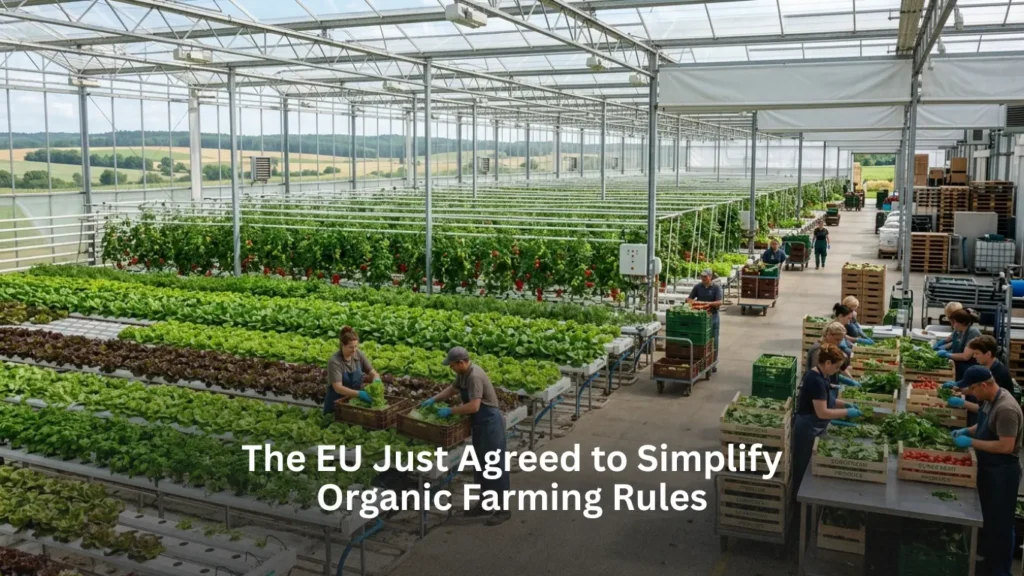
Something major just happened in Brussels, and while it’s mostly making waves in agricultural policy circles right now, we think it’s a huge deal for the future of farming.
EU member states have officially agreed on a new, simplified game plan for organic farming and product labelling across Europe. Now, we know “bureaucratic updates” sound like a total snooze-fest on the surface. But if you look past the paperwork, it actually tells a massive story about where European agriculture is headed. Honestly, the outlook for sustainable, low-input, resilient farming has never looked better. If you’re a grower, run a greenhouse, or work anywhere in sustainable horticulture, this is definitely something you’ll want to keep on your radar.
For us here at Coirmedia, this development feels like a massive validation. We’ve spent years focusing on sustainable cultivation systems, and this policy shift signals an expanding market that aligns perfectly with the eco-friendly coir solutions we manufacture every day. It’s incredibly exciting to see EU policy catch up to the kind of future we’ve been building for years—and we can’t wait to help growers navigate this next chapter.
The core of the Council’s position is straightforward: organic farming rules across Europe need to be simpler, clearer, and easier to follow — without compromising the integrity of the EU organic label that consumers trust. The existing regulatory framework has long been criticised for placing disproportionate administrative burden on smaller operators, making it harder for small farms and businesses to participate in the organic sector even when their practices are genuinely sustainable.
The proposed changes address this directly. Small operators and certain online sellers of pre-packed organic products may be exempt from certification requirements under specific conditions. That’s a meaningful reduction in the barrier to entry for smaller growers who have been locked out of the organic market, not because of their farming practices but because of paperwork costs.
On the import side, the Council took a firm position: products from countries with equivalent organic systems cannot automatically carry the EU organic logo. They must meet stricter EU-aligned standards to do so. This protects the credibility of the organic label and, importantly, levels the competitive playing field for European organic producers who invest in meeting those standards.
The Council also rejected a proposal that would have allowed products containing up to 5% non-compliant ingredients from third countries to still carry the EU organic label. That rejection matters. It signals that the EU is serious about maintaining the standard that the organic label represents, not diluting it for commercial convenience.
The policy context here is important. The EU right now has over 381,000 organic growers, and yes, it’s about a 30% jump compared to 2018. In a way, this growth path shows real market pull; people are shifting their tastes, and more producers are looking at farming approaches that reduce reliance on synthetic inputs. The “simplified” regulatory setup being discussed at the moment is meant to push things faster, basically by cutting the friction for growers who want to move toward organic methods.
This has effects outside the organic world too, because when there are already 381,000 farmers working in organic, and the rulebook is being reworked so organic farming feels less complicated and more reachable, then the demand for sustainable cultivation inputs goes up overall. Sustainable growing media, organic-compliant substrates, and natural, renewable materials that help plants thrive while still staying inside organic certification requirements. So it’s not really just a short-term spike; it’s more like a steady structure, and honestly, it’s growing steadily, too.
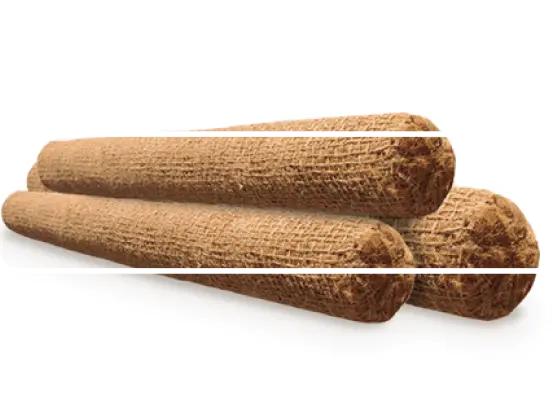
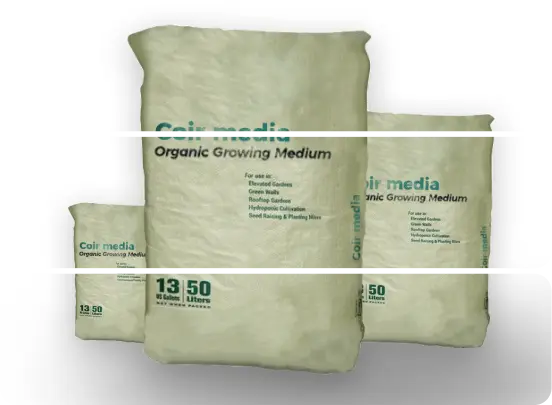
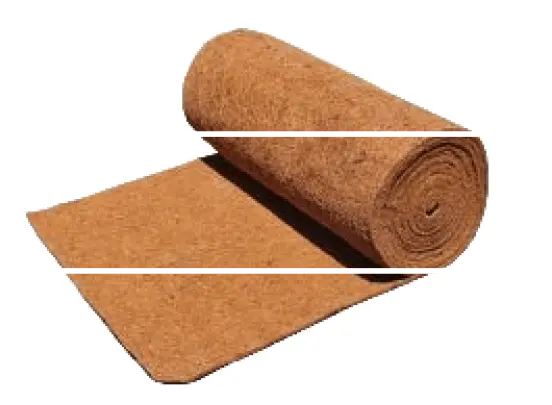
Coirmedia operates as a coir product manufacturer specialising in sustainable coir-based growing media for commercial horticulture. The company’s products — coco peat substrates, grow bags, greenhouse cultivation systems — are natural, renewable, and fully compatible with organic farming systems. This isn’t incidental. This trend is fundamental to why coir substrates are gaining so much traction among European organic and greenhouse growers right now.
At its core, Coco Coir is like this brilliant upcycling story, kind of. It’s made entirely from coconut husks—an agricultural byproduct that usually gets just discarded or left behind. Since it uses waste as the starting point, making it does not really trigger ecosystem destruction, it doesn’t need heavy synthetic processing, and it doesn’t depend on the kinds of chemicals that would jeopardise an organic certification.
For organic farmers who want a high-performing growing medium, coir basically checks every single box. It supports strong root development, it holds moisture in a surprisingly steady way, it improves aeration, and it helps keep away soil-borne diseases naturally—while also keeping the whole setup free from banned substances. And as the EU keeps scaling up its organic farming targets, sustainable inputs like Coirmedia’s products are shifting from “nice-to-have” to something closer to absolutely essential for growers trying to stay compliant as well as profitable. It’s one of those rare win-win situations where environmental rules match up perfectly with practical farming advantages.
Running alongside Europe’s organic momentum is the fast rise of greenhouse and controlled-environment agriculture. Nowadays, a lot of European organic growers are moving indoors to cultivate high-value crops, such as tomatoes, berries, cucumbers, and herbs. Using substrate-based systems, they can micro-manage a lot of details, from nutrient delivery to irrigation and climate control.
This is where Coirmedia’s coir grow bags and substrate solutions play a major role. In a greenhouse organic system, the growing medium is the foundation for everything. It has to support strong, healthy root development and lock in moisture perfectly without waterlogging the plants. It needs to work efficiently with precision irrigation systems. And it needs to be fully compatible with organic growing protocols.
Coir substrates meet all of those requirements — and Coirmedia manufactures them to the consistency and quality that commercial greenhouse operations demand. As the EU’s simplified organic rules make it easier for more growers to enter and operate within the organic sector, the demand for reliable, organic-compatible substrate solutions will grow alongside them. Coirmedia is producing those solutions today.
There’s a thread running through the EU’s organic farming reforms that connects directly to a broader conversation happening across European agriculture right now. The push toward organic systems is, kind of, basically a push toward less reliance on synthetic, fossil-fuel-derived inputs— the same sort of dependency that is giving conventional farms real economic pain as energy and fertiliser prices stay elevated for so long. In other words, organic farming systems that lean on natural soil improvement, composting, and biological nutrient cycling are built to be more resilient when there are supply chain disruptions, like the ones that have been hitting conventional agriculture pretty hard. And honestly, the growing media choices inside those systems matter a lot, maybe more than people expect. For example, coir substrates help with controlled nutrient delivery, support better nutrient uptake efficiency, and they also reduce fertiliser wastage, so growers can still reach strong crop performance while keeping overall input costs lower.
For greenhouse organic growers specifically, this efficiency has direct financial value. Lower irrigation requirements. Reduced nutrient loss. Better root health across longer crop cycles. Coirmedia’s substrate products are engineered to deliver these advantages consistently — because in commercial horticulture, the growing medium isn’t a background detail. It’s a core operational decision with measurable impact on profitability.
The Council’s negotiating position is now sort of shifting into talks with the European Parliament, with a deadline to lock in revised rules before the current agreement expires on 31 December 2026. The direction is there, set. The political will is clear. In Europe, the organic farming sector keeps growing, while the regulatory framework is being modernised in order to back up even more growth, and at the same time, the need for sustainable, organic-compatible cultivation inputs is also on the rise.
For growers evaluating their systems and substrate choices, the case for aligning with this direction has never been clearer. Organic-compatible growing media, renewable substrates, and cultivation systems that reduce synthetic input dependency are not ahead of the curve anymore — they’re where the market and regulation are converging.
Coirmedia, as an experienced coir product manufacturer serving commercial horticulture globally, is producing the substrate solutions that this transition depends on. The EU’s organic farming reforms are making the path toward sustainable cultivation easier to walk. Coirmedia is here to support every grower walking it.
Mathew is a product designer and engineer at Coirmedia, where he combines his passion for sustainability with his design and engineering expertise. He develops innovative coir products that are not only functional but also eco-friendly. Driven by a desire to share his knowledge, Neil is passionate about writing and teaching, aiming to educate others about his ideas, innovations, and the technology behind them.