Farming has long been considered one of the primary contributors of environmental harm. Agriculture is frequently associated with dwindling wildlife, forest loss, and soil fatigue. New research from the University of York, however, casts doubt on this theory and provides a more nuanced perspective on how people have influenced nature.
According to the findings, early farmers did more than only replace untamed environments. Rather, during the previous 12,000 years, they changed the ecology of Europe in ways that enhanced plant variety. These results imply that farming and the environment don’t have to clash and that there are important lessons to be learnt from the past for sustainable land use in the present.
The goal of University of York researchers was to comprehend how European plant diversity evolved throughout time, especially as people transitioned from hunting and gathering to farming.
The research concentrated on:
Natural historical records are pollen grains that have been preserved in sediments. Because each kind of plant produces distinct pollen, scientists can determine which plants were there in particular locations at different times.
Researchers created a comprehensive picture of Europe’s ecological history by examining thousands of these recordings.
Many long-held beliefs about how humans affect the natural world were called into question by the findings.
According to the report;
Early farming methods made it possible for numerous plant species to coexist rather than inflicting extensive ecological harm.
In what is now Turkey, agriculture first appeared some 9,000 years ago. Early farmers steadily moved north and west throughout Europe over time.
They introduced :
In order to cultivate food and provide grazing for animals, these people removed little tracts of forest as they established. Large-scale destruction was avoided by this method, which was selective and delayed.
A large portion of Europe was covered in dense forests prior to cultivation. Numerous species are supported by woods, yet they restrict plants that require sunlight and open space.
When early farmers removed wooded areas, they produced:
These areas increased overall diversity by allowing new plant species to flourish alongside native woodland plants.
The development of mosaic landscapes was one of the most significant results of early farming. Farming created a mosaic of diverse habitats rather than a consistent land use.
Among them were:
Different plant communities were supported by each habitat. More species could thrive throughout the terrain as a result of this diversity.
Instead of eradicating nature, farming brought variance, which led to an increase in plant diversity.
Among the main causes are:
Therefore, compared to intact forests, farmed landscapes frequently supported a greater variety of plant species.
The study’s lead author, Dr. Jonny Gordon, claims that during this time, people had the biggest impact on the diversity of plants in Europe.
Crucially:
This calls into question the notion that nature only flourishes in the absence of humans.
Rewilding, or leaving land unaltered to return to its natural form, is frequently encouraged by modern conservation. Although helpful in certain situations, Europe’s long-managed landscapes might not be a good fit for this strategy.
The research emphasises that:
History must be taken into account in conservation initiatives, not only the ideal of unspoiled nature.
Teachings for Contemporary Agriculture Climate change, degraded soil, and dwindling pollinators are some of the issues facing today’s farmers. History demonstrates that farming need not be detrimental to the environment.
Important lessons consist of:
These concepts are consistent with contemporary sustainable farming methods.
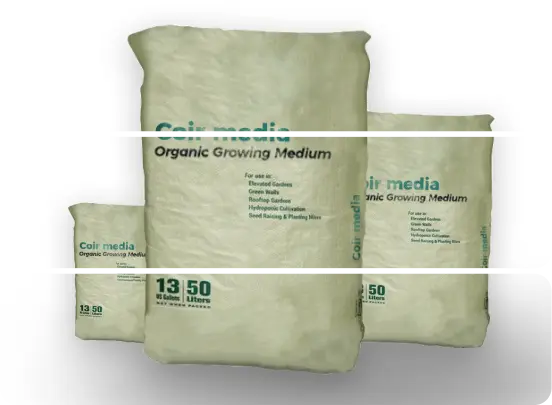
By avoiding severe disruption, early farming inadvertently preserved soil. With careful management, modern agriculture can accomplish comparable outcomes. Solutions created by the Coir Products Manufactures become particularly pertinent in this situation.
Coconut husks, a renewable agricultural byproduct, are used to make coir. Coir has several advantages when used in horticulture and agricultural.
Coir assists by:
Encouraging microbiological life Coir is environmentally friendly and sustainable, in contrast to peat, which harms wetlands.
Without modern tools, early farmers created a variety of landscapes. We can now purposefully promote biodiversity thanks to innovation.
Farmers benefit from products made by Coir Product Manufacturers:
This link between historical methods and contemporary materials demonstrates how sustainability can change throughout time.
Farmers can put these ideas into practice in the following ways:
Cut back on chemical inputs The conditions that increased biodiversity thousands of years ago are reflected in these steps.
The long history of agriculture in Europe demonstrates that people may cooperate with nature rather than oppose it. Landscapes were altered by early farming in ways that enhanced ecological richness.
This history serves as a reminder that sustainability is a return to equilibrium rather than a contemporary innovation.
The research from the University of York conveys a positive message. When land is managed carefully, farming and biodiversity can coexist.
Agriculture may fulfil current demands without compromising the environment by fusing historical knowledge with contemporary sustainable tools, such as those created by Coir Product Manufacturers.
The story of Europe’s biodiversity shows that environmental responsibility and human productivity are not mutually exclusive. When farming systems are designed with awareness and respect for natural cycles, they can nourish both people and ecosystems. Looking ahead, combining scientific research, traditional land knowledge, and sustainable materials will be essential in protecting biodiversity while ensuring food security for future generations.
In the past, human activity shaped Europe’s biodiversity.
Those hands can contribute to its future protection if they exercise caution and responsibility.

Mathew is a product designer and engineer at Coirmedia, where he combines his passion for sustainability with his design and engineering expertise. He develops innovative coir products that are not only functional but also eco-friendly. Driven by a desire to share his knowledge, Neil is passionate about writing and teaching, aiming to educate others about his ideas, innovations, and the technology behind them.