Stage | Method/Recommendation |
Land Prep | Fine tilth, raised beds/ridges, weed removal |
Planting | Pre-monsoon or irrigated, 15–25 cm spacing, 4–6 cm depth |
Fertilization | Apply compost, manure, neem cake, balanced NPK as per soil test |
Mulching | Green leaves or coconut leaves, 3 applications per season |
Irrigation & Drain | Controlled watering, raised beds, proper drainage channels |
Weeding | 2–3 times per crop cycle |
Pest/Disease Mgmt | Crop rotation, solarization, and regular monitoring |
Harvesting | 8–10 months after planting, careful lifting of rhizomes |
These methods, when systematically followed, can enhance both yield and quality in ginger cultivation.
Related
CoirMedia’s got the perfect sidekick with their Best Container for Growing Ginger, loaded with eco-friendly coco coir to make ginger growing a breeze. This blog’s gonna unpack the whole deal on Ginger Agriculture Methods, from picking the right dirt to harvesting those spicy roots, plus answers to some big questions about ginger farming techniques.
Kicking off Ginger Agriculture Methods means picking a primo spot and getting the soil ready to roll. Ginger’s a bit of a diva, liking things just so.
Soil Type
Ginger digs loose, well-drained sandy loam that lets roots breathe and water slip through without pooling. A pH of 6.0–6.8 is the sweet spot—too acidic or alkaline, and those rhizomes throw a fit. Testing soil’s a must, especially in places like Ontario’s clay-packed fields or PEI’s sandy patches, to make sure it’s ginger-ready.
Getting the ground prepped’s no small potatoes. Plough or dig the soil 3–5 times to break it into fine, crumbly dirt, like the kind you’d find in a New Brunswick garden after a good spring cleanup. Weeds gotta hit the road; nobody wants those freeloaders stealing Ginger’s food.
Raised beds are the ticket, about a meter wide, 25–30 cm high, with 50 cm gaps for easy moving around. In irrigated setups, like Alberta’s dry zones, ridges 40 cm apart work better. These keep roots from drowning and make harvesting less of a chore, whether in a greenhouse in Leamington or an open field in the Okanagan.
Once the soil’s sorted, it’s planting time. Timing and technique are big parts of the Ginger Agriculture Methods to get those rhizomes popping.
Planting ginger usually kicks off in early May, when pre-monsoon showers—or irrigation- kick in. Greenhouse growers in places like Manitoba or Quebec, where winter’s a beast, can start earlier with controlled setups. CoirMedia’s Best Container for Growing Ginger is a lifesaver here, letting folks start indoors and shift outside when the weather quits acting up.
Fresh, disease-free rhizomes are the way to go—think 480–1,500 kg per hectare, depending on the vibe. Each piece should weigh about 15 grams, with at least one healthy bud, like picking the best spuds at a Nova Scotia market. Certified, clean rhizomes cut the risk of rot or pests, a big deal for growers in BC or Ontario chasing quality.
Plant rhizomes 15–25 cm apart, both between plants and rows, at 4–6 cm deep. Too deep, they struggle to sprout; too shallow, they dry out like a Prairie summer. This spacing is solid whether in a Saskatchewan field or a Toronto patio pot, keeping plants from scrapping over space.
Ginger’s a hungry bugger, and ginger farming techniques lean hard on feeding it right to get those fat, spicy rhizomes.
Before planting, mix in 5–6 tons per hectare of well-rotted farmyard manure or compost. It’s like serving ginger a hearty Maritime breakfast, boosting nutrients and loosening soil, especially in heavy stuff like Ontario’s Holland Marsh. Organic’s the name of the game for sustainable growing.
Chuck in 2 tons per hectare of neem cake and enriched compost for phosphorus and potassium. These keep plants happy, especially in nutrient-poor soils like some in Alberta’s badlands. It’s a slick move for growers wanting to keep things green.
Balanced NPK fertilizers, dosed based on those tests, keep ginger chugging along. Start organic, then roll with NPK for steady growth, especially in big setups in BC or Quebec.
Mulching’s a secret sauce in ginger farming techniques, making Ginger Agriculture Methods shine brighter than a Halifax sunrise.
Mulch locks in soil moisture, chokes out weeds, and adds organic goodness as it breaks down.
At planting, spread 10–15 tons per hectare of green leaves—fresh grass or legume trimmings work great. Top it up at 40 and 90 days with 5–7.5 tons per hectare each time. This keeps soil cool and moist, a big win in hot spots like the Okanagan or humid greenhouses.
No green leaves? Dry coconut leaves do the trick, doubling as weed blockers. CoirMedia’s Coco Coir Bricks can also be crumbled as mulch, breaking down naturally and boosting soil, a favorite for urban growers in Toronto or rural ones in Manitoba.
Ginger likes a steady sip, not a flood. Irrigation’s a cornerstone of Ginger Agriculture Methods.
Regular, moderate watering is key, especially in the first few months when rhizomes are forming. Drip irrigation or controlled systems are tops, preventing waterlogging and root rot. In dry Alberta, this saves water while keeping plants happy.
Flat fields need drainage channels to avoid soggy roots, especially in wet spots like BC’s Lower Mainland. Raised beds, like those in CoirMedia’s Best Container for Growing Ginger, help water flow right, making life easier for growers.
Weeds and pests can muck up Ginger Agriculture Methods, but smart moves keep ‘em at bay.
Two to three weeding sessions, timed before fertilization or mulching, keep things tidy. Hand-weeding’s fine for small plots, like a Vancouver backyard, while bigger fields in Saskatchewan might need tools. Mulch cuts weed drama big time.
Rotate ginger with crops like tapioca, chillies, ragi, groundnut, or maize to mess with pest and disease cycles. It’s a sharp play for growers in Ontario or Nova Scotia, keeping soil healthy and bugs guessing.
Root-knot nematodes, thrips, and spider mites love ginger. Cultural controls, like clean rhizomes, or biological ones, like predatory mites, work well. Chemicals are a last resort, especially for eco-conscious folks in BC.
Rhizome rot and shoot wilt are the big baddies. Solarizing beds—covering soil with polythene for 40 days before planting—zaps soil-borne nasties. It’s a trick that works from Quebec greenhouses to PEI fields.
After all the hustle, harvesting’s the reward, and Ginger Agriculture Methods make it worth it.
Ginger takes 8–10 months to mature. When leaves yellow and dry, usually January to March, it’s time to dig. Timing’s everything for plump, zesty rhizomes.
Lift clumps gently with a spade or fork, shaking off dried leaves, roots, and dirt. Handle rhizomes like they’re fine china to avoid bruising, whether in a small Calgary plot or a big Leamington field. Clean ‘em up, store right for market or next season.
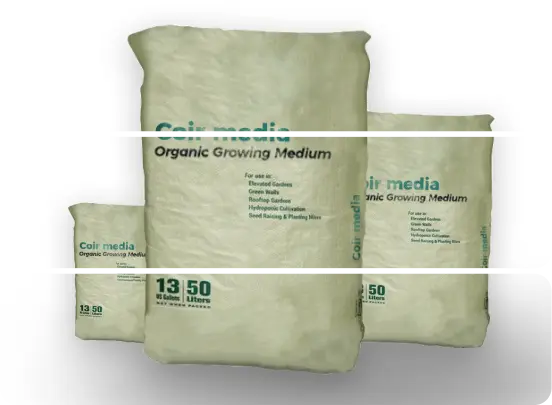
CoirMedia’s Best Container for Growing Ginger is a total game-changer, especially for urban and greenhouse growers. These coco coir-packed containers nail drainage and aeration, keeping ginger roots happy in tight spots like Montreal patios or Manitoba greenhouses. Lightweight, sustainable, and perfect for mulching or watering, they vibe with the eco-friendly spirit of ginger farming techniques. Whether in a small plot or a big farm, CoirMedia’s containers make ginger growing a snap.
Plough 3–5 times for fine tilth, clear weeds, form raised beds or ridges. It’s the backbone for success, whether in a Nova Scotia field or a BC greenhouse.
A pH of 6.0–6.8 is ideal; outside that, rhizomes struggle. Test and tweak soil, especially in clay-heavy Ontario or sandy Alberta, to boost yields.
Green leaves lock in moisture, choke weeds, and enrich soil. A win for growers in wet PEI or dry Saskatchewan, keeping ginger happy.
Plant disease-free rhizomes in May, 15–25 cm apart, 4–6 cm deep. CoirMedia’s Best Container for Growing Ginger makes it easy, especially in controlled setups.
Organic manure, neem cake, compost boost soil health, cut disease risks, giving ginger a strong start, especially in eco-minded BC.
Ginger Agriculture Methods are a roadmap for Canadian growers to churn out spicy, high-quality rhizomes, no matter the weather. From soil prep and planting to mulching and pest control, these steps make ginger farming a winner. CoirMedia’s Best Container for Growing Ginger ties it all together, offering a green, easy solution for city plots or big farms. Whether in a Leamington greenhouse or a Vancouver backyard, these methods help growers tackle the crazy climate and produce ginger that’s the talk of the town. Get those Ginger Agriculture Methods going, and watch the harvest fire up.

Mathew is a product designer and engineer at Coirmedia, where he combines his passion for sustainability with his design and engineering expertise. He develops innovative coir products that are not only functional but also eco-friendly. Driven by a desire to share his knowledge, Neil is passionate about writing and teaching, aiming to educate others about his ideas, innovations, and the technology behind them.