Growing bell peppers in Honduras has become fairly common over the years, mostly because the crop behaves well in the country’s climate, and partly because people know they can sell peppers almost anywhere. Markets take them, supermarkets take them, and exporters want them when the quality is right. So a lot of farmers—small and mid-sized—have started paying closer attention to peppers and how they can make the crop more consistent from season to season.
This blog isn’t meant to sound like a textbook. It’s more of a practical walk-through based on how bell peppers usually respond to Honduran conditions, what tends to work, and why growers increasingly lean toward coir-based systems like the Aubergine Grow Bag, Coir Products Supplier in Honduras.
Anyone who has grown peppers here knows the plants don’t complain much. Honduras naturally gives them what they need: steady warmth, a decent amount of humidity, and long stretches without frost. Peppers hate cold, so the absence of it already puts the country at an advantage.
Another reason the crop works is the market. It’s not saturated. Several Honduran suppliers export bell peppers, and even though it’s not a massive industry, it’s active enough that growers who produce good, uniform peppers have a fair chance of finding buyers. The domestic market is even more flexible—restaurants, stalls, and supermarkets all take peppers throughout the year.
So growers aren’t just planting something that grows well; they’re planting something that sells well.
Ideally, bell peppers want soil that drains properly and isn’t too heavy. Something like sandy loam. Some farms have that naturally, and some don’t. In the places where the soil is dense or compacts easily, peppers tend to struggle. Roots don’t expand, diseases settle in, and then the plant never really recovers.
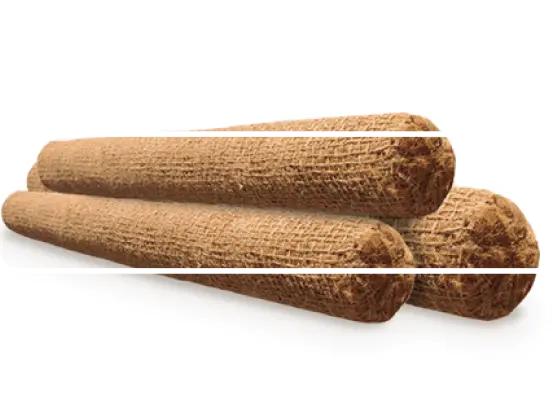
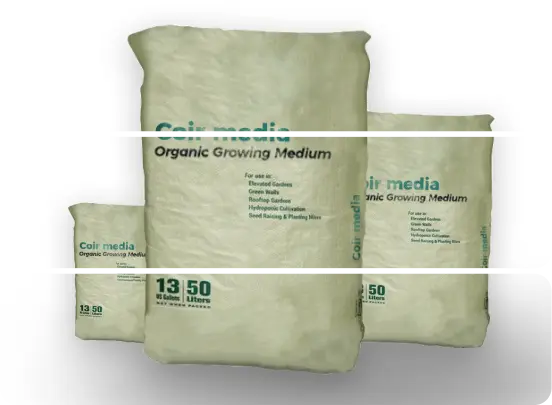
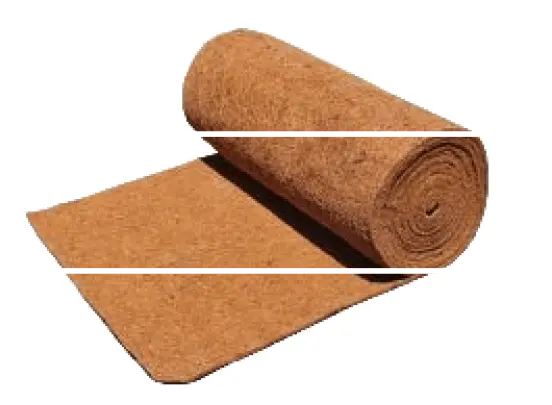
Because of this, a lot of farmers have begun experimenting with coconut coir. Coir is clean and light, drains quickly but doesn’t dry out too fast, and doesn’t carry the typical soil-borne problems that farmers fight every season. That’s how grow bags entered the picture, and why the Aubergine Grow Bag, a coir products supplier in Honduras, has been coming up more often in farming conversations. It gives growers a more predictable environment to work with, which peppers generally appreciate.
It’s not that soil-grown peppers don’t work—they do. But coir removes a lot of “unseen” issues that hold back yields.
Honduras checks almost every box when it comes to the climate bell peppers prefer. The plants grow best when days are somewhere in the mid-20s (°C) and nights dip just a bit. That’s common in many parts of the country.
The real challenge sometimes is heat. If afternoons get too hot—especially over 30°C—the flowers start dropping. When that happens repeatedly, yields fall. Many growers put up simple shade nets to help the plants get through extreme heat spikes. Even a little shade during peak heat can make a noticeable difference.
Wind is another thing growers often forget about. Peppers don’t like being thrashed around. A few stakes or support lines usually solve that problem.
If there’s one thing peppers can’t handle, it’s irregular watering. Drenching one day and ignoring them for two days almost always leads to smaller fruits or weird shapes. The plants really just want steady, moderate moisture.
This is another area where coir and grow bags become helpful. Coir absorbs water evenly, so growers don’t get those “wet pockets” that soil sometimes creates. With a drip line running through each bag, the watering becomes predictable and easier to manage. That consistency translates directly into better fruit.
Peppers are not the type of plants that grow well on poor soil or minimal fertilizer. They need to be fed at the right times. Early on, a little nitrogen helps build the plant. Later, when the plant starts flowering and setting fruit, potassium and phosphorus matter more. They improve firmness, thickness, and the final weight of the pepper.
Growers using coir should remember that coir doesn’t supply nutrients by itself. Whatever the plant needs must be added. The good side of that is you can control exactly what goes into the root zone.
Most farmers start their peppers in small trays. Coir-based seed mixes work well because they don’t compact the way soil does. Seeds take about one to two weeks to sprout.
Once seedlings develop a few true leaves, they’re moved to the field or into grow bags. Field spacing is usually around 40–50 cm, while grow bags might hold two or three plants depending on the size.
Peppers need sunlight, but not punishment. In hotter zones, a bit of shade netting during the afternoon protects flowers from dropping.
A simple stake or string support goes a long way. It stops stems from breaking and helps the plant stand upright as it grows heavy with fruit. Better airflow also means fewer diseases.
You’ll find aphids, whiteflies, and spider mites in most pepper farms. Mildew pops up when humidity gets too high. Coir reduces soil-borne diseases significantly, but foliar diseases still need monitoring.
You can harvest peppers green or wait until they turn red, yellow, or orange. Honduras supports both types of production, depending on the market. Most varieties reach harvestable size around 70–90 days after transplanting.
Local demand is always present, which makes the crop ideal for farmers who need a consistent income. Supermarkets, vegetable distributors, and restaurants buy peppers year-round.
Export markets are growing too, though they require more uniformity. This is where controlled systems—coir grow bags, drip irrigation, greenhouse structures—become valuable. Export buyers are strict about size, appearance, and firmness, so growers aiming for those markets tend to adopt more controlled methods.
Coir isn’t a trend; it’s a practical solution to problems that Honduran farmers face constantly. Soil is unpredictable. One bad rainy week can ruin root health. A dormant soil disease can suddenly reappear. Coir eliminates most of those variables.
Growers who have switched to coir systems—in particular to dependable products like the Aubergine Grow Bag, often notice these changes:
For farmers targeting supermarkets or export markets, these advantages matter.
Growing bell peppers in Honduras works largely because the country naturally suits the crop. But getting consistently good yields requires attention to water, medium, nutrition, and temperature. That’s where modern systems like coir grow bags make a meaningful difference.
Farmers who want predictable performance, cleaner produce, and fewer soil-related setbacks often find that coir-based growing is worth the investment. Products like the Aubergine Grow Bag, a coir products supplier in Honduras, give growers a stable foundation that traditional soil doesn’t always offer.
Bell peppers will likely remain one of Honduras’s reliable vegetable crops, and with better tools and improved growing practices, farmers can take advantage of both local and export opportunities more efficiently than before.

Mathew is a product designer and engineer at Coirmedia, where he combines his passion for sustainability with his design and engineering expertise. He develops innovative coir products that are not only functional but also eco-friendly. Driven by a desire to share his knowledge, Neil is passionate about writing and teaching, aiming to educate others about his ideas, innovations, and the technology behind them.