The Mediterranean region has a long-standing tradition of fig farming, which is now experiencing a technological revival. The industry is moving from Turkey’s extensive orchards to Spain’s compact farming setups towards precision agriculture. The modern producer needs to use contemporary farming methods, which include climate-resilient genotypes and substrate-based cultivation instead of relying on land for success.
Whether you are looking for the best container for fig trees to start a high-density operation or seeking a reliable coir product manufacturer to optimise your substrate culture, understanding the current landscape of European production is essential.
The Mediterranean basin serves as the main area for commercial fig farming in Europe, which has developed into a powerful industry because this region offers ideal weather conditions with its extended hot summers that figs need to thrive.
Turkey stands as the top fig producer worldwide despite its non-EU status. The country provides 60% of the total global dried fig production. The Aydın region alone produces between 65,000 and 70,000 tons of dried figs annually. The ‘Sarilop’ variety remains the gold standard for the drying industry due to its high sugar content and thin skin.
Spain leads the European Union’s production, accounting for approximately 52% of the EU’s volume (roughly 38,000 tonnes). The growers in Spain concentrate their efforts on producing both fresh and dried products from the ‘Colar Elche’ and ‘San Antonio’ varieties.
These nations are world-renowned for specialised, high-quality products, such as the famous Kalamata figs from Greece. The producers in this country concentrate their efforts on Protected Designation of Origin (PDO) products, which sell at higher prices in international markets.
To meet rising global demand, European farmers are moving away from traditional, widely spaced orchards toward intensive systems. Let’s check out modern techniques of farming
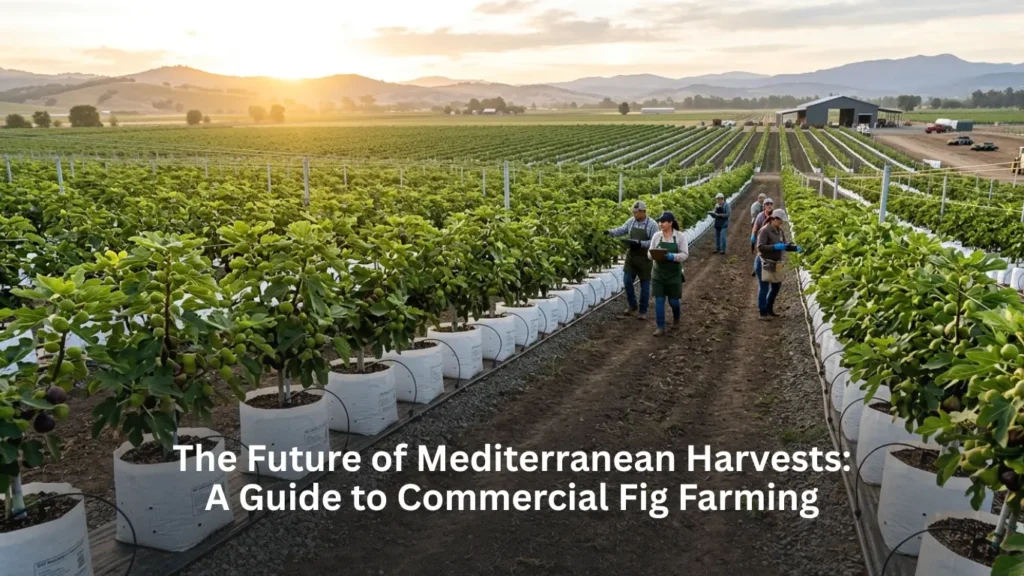
Modern farms now use closer spacing, such as 5 x 4 m or even tighter espalier systems. The “vegetative walls” system enhances both aeration and light penetration, which leads to a significant decrease in pest presence. The system enables growers to train trees from 50 cm above the ground up to their maximum height of 2.20 m. This method allows all manual harvesting to be done on the ground, reducing labour costs. The Spanish high-density systems achieved their fifth-year mark with yields that surpassed 28,000 kg/ha.
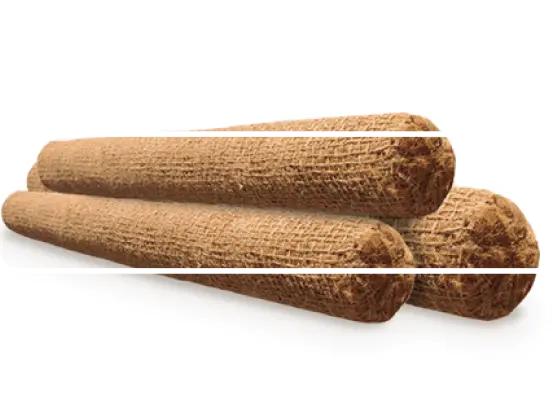
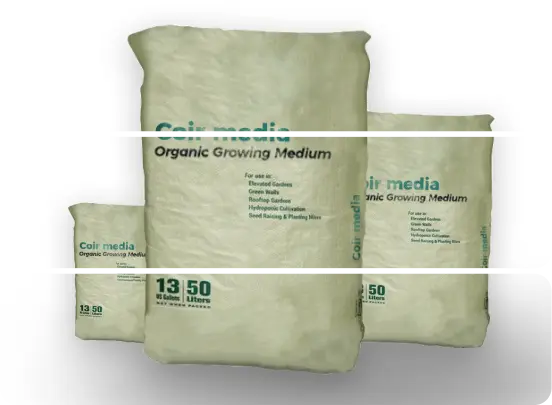
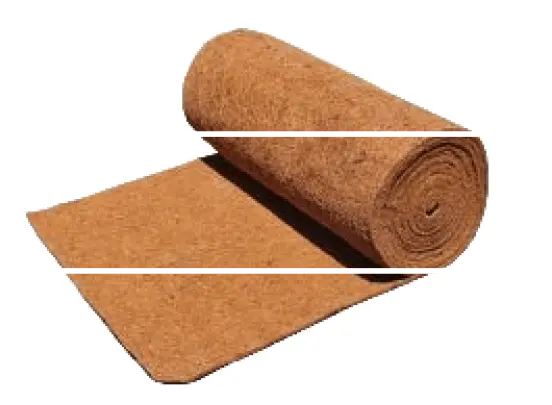
The introduction of soil-less culture represents the most important technological development for this field. The use of coco coir substrates allows growers to achieve the following benefits.
Commercial figs are primarily propagated through the use of hardwood cuttings, which have a length range of 20 to 30 centimetres. The first step to achieving profitable results begins with selecting the proper variety.
Modern “smart” farms require their fig tree operations to select the appropriate container for both early tree development and permanent high-density greenhouse use. The 30 to 50 litre container size allows users to achieve two specific benefits.
Pruning has to be performed throughout all seasons of the year. Winter pruning establishes the tree’s main structure, whereas summer tipping, which involves cutting terminal buds, helps trees create new branches that will produce fruit.
The industry faces major climate change risks because environmental shifts create problems for fruit set and fruit quality. The need for improved fruit breeding created more resilient plant varieties and agricultural systems that use Controlled Environment Agriculture (CEA). Greenhouses equipped with temperature and humidity controls protect crops from unpredictable weather while enabling harvesting during high-price periods, which occur between peak seasons.
The practice of commercial fig farming has evolved from traditional methods into a system that prioritises operational efficiency. Growers who adopt modern farming methods, which include substrate culture and high-density planting, along with optimal fig tree containers during tree establishment, will achieve high yields in our current climate evolution. The sustainable and profitable industry will continue to depend on coir product manufacturers because demand for both fresh and dried Mediterranean figs keeps rising.
Mathew is a product designer and engineer at Coirmedia, where he combines his passion for sustainability with his design and engineering expertise. He develops innovative coir products that are not only functional but also eco-friendly. Driven by a desire to share his knowledge, Neil is passionate about writing and teaching, aiming to educate others about his ideas, innovations, and the technology behind them.