New Zealand raspberry growers are renowned for delivering some of the world’s best-looking, flavorful berries. From warm Hawke’s Bay orchards to the rich soils of Otago, maintaining this premium status is an ongoing push towards innovation. With the NZ climate having so much to offer, growers still battle parameters like inconsistent soils, irrigation and sustainability. Enter an unlikely hero from the tropics: the humble coconut.
More and more progressive growers are coming to coir products — made from coconut husks to transform their raspberry farming. That is not a fad; it is scientifically proven technology specifically designed to answer the very unique requirements of raspberry plants and deliver healthier plants and bigger harvests.
They are notoriously particular about their feet. They require a rooting medium to be perfectly well-drained to avoid root rot while at the same time retaining moisture and nutrients to sustain their growth. Outmoded soil mixes will probably be too wet or too heavy and kill off the sensitive root systems.
This is where coir really comes into its own. As a 100% natural and renewable byproduct, coir is the tough fibre stuff located in the space between the inner hard shell and the outer skin of a coconut. When it is horticultural-processed, it produces the Best Container to Grow Raspberries is not the container at all but what is in it. Growing mediums made from coir have a very distinctive structure well-suited to raspberries:
Superior Aeration and Drainage: Coir’s fibrous nature creates countless tiny air pockets within the growing medium. This ensures oxygen is always available to the roots, promoting vigorous growth and preventing diseases caused by anaerobic conditions.
Superb Water Retention: Peat has a tendancy to become hydrophobic when dry but coir has remarkable water absorbtive qualities – up to 10 times weight – yet will still release excess freely. This provides an even moisture level to reduce plant stress and keep watering to a minimum, an important factor in dry NZ summers.
Ideal pH Neutrality: The raspberries are best suited in neutral to slightly acidic conditions (pH 5.8-6.5). Coir itself falls in the ideal pH neutrality zone compared to peat that is very acidic and likely needs to be lime-added. This makes it best suited to full uptake of nutrients from the onset.
Sturdy Root Growth: The loose and easy-to-penetrate nature of coir allows roots to grow freely and extensively and form a sound base to the plant. The denser the root system is, the harder and longer-lasting the cane will be.
Versatile coir and it can be applied in an assortment of forms in a raspberry farm:
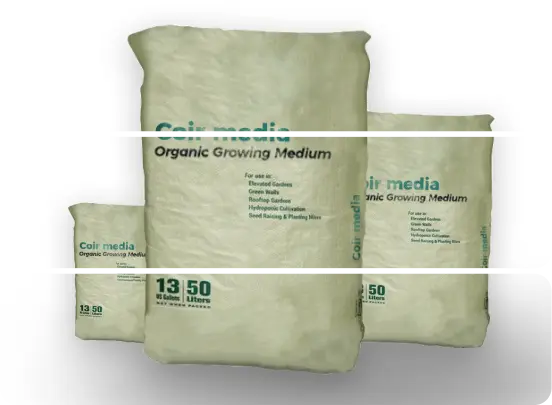
Coir Peat/Growing Medium: This is by far the most typical application. Blended with an addition like perlite or vermiculite, it is an ideal container-grown raspberry substrate. This is an ideal system for controlling growth and maintaining plant health and is ideal on a smaller or even boutique level aimed at farmers’ markets.
Coir Grow Bags: A very popular commercial option, these pre-potted bags are an easy and clean method to cultivate raspberries. The bags contain all the advantages of a coir compost plus the benefits of a closed system to reduce weed pressure and soil-based diseases.
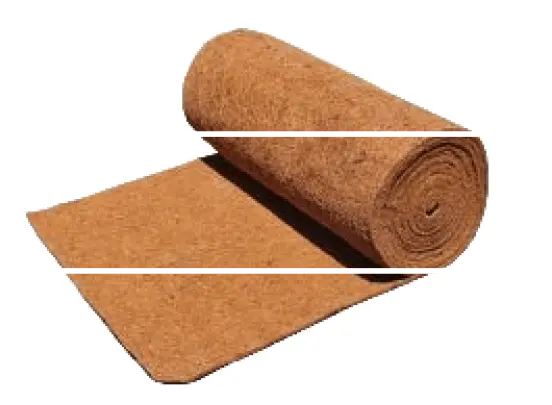
Coir Mulch Mats (Discs): Use these in a ring at the base of raspberry canes. The discs are an exceptionally effective organic mulch and do an ideal job of supressing weeds while saving vital soil moisture and regulating soil temperature. Slowly decomposing, they add substantive amounts of valuable organic matter to the soil.
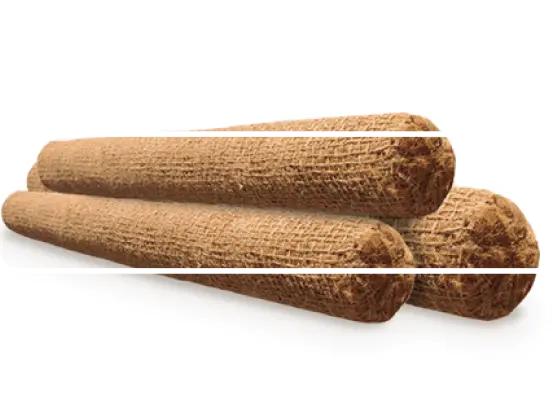
Coir Fibre Stakes: As an alternative to wooden or bamboo stakes, coir fibre stakes provide strong support to stakes. With their rough surface having excellent grip and full biodegradability, coir fibre stakes support a farm’s sustainability mission.
For New Zealand growers, coir has benefits off farm as well:
Sustainability Leader: Consumers in New Zealand and in foreign markets are relying increasingly on environmentally friendly production. There is an eco-friendly peat substitute in the form of coir, a renewable commodity. Coir reduces peat extraction-based environmental degradation and decreases the farm’s carbon footprint while amplifying its green profile.
Disease and Pest Management: Starting with a sterile, soil-less medium like coir drastically reduces the risk of soil-borne fungal diseases and pests like phytophthora root rot. This reduction in chemical interventions is better for the environment, safer for workers, and results in a cleaner berry.
Water Saving: Coir’s unparalleled moisture-retention characteristic requires less frequent watering. This results in huge amounts of water saving within a season, an important consideration in meeting NZ’s irrigation usage standards and efficient farming in areas prone to dryness.
The grade of coir products may be very poor. Low-grade untreated coir may contain excessive sodium (salt) and potassium and will rob the plants of their nutrients and kill them. That is why it is critically important to purchase from an authentic Coir Product manufacturing company.
They will ensure their coir is prime by:
Properly Buffered and Washed: This essential process eliminates excess salts and charges the coir with fertilizers such as calcium so it will serve as a stable base on which to grow.
Consistently Formulated: The same high-quality formulation and performance are obtained in every batch in order to ensure reliable farm management.
Compressed and Convenient to Handle: Good coir is compressed in neat blocks or bales to keep transport costs and storage space to a minimum. It rehydrates readily in water and swells to several times its packed volume.
A Valuable Investment Shifting to coir products is an investment in the long- and short-term sustainability and productivity of a New Zealand raspberry farm. The up-front cost is rapidly repaid in measurable return: less application of irrigation and pesticides, strong and healthy plants, larger crops of high-grade berries, and a market narrative of environmental sustainability. Through collaboration with an established Coir Product producer, NZ growers will be in an ideal position to cultivate their raspberries. This is an entirely natural consequence that delivers outstanding results and will preserve the traditional flavors of New Zealand raspberries for generations to come.

Mathew is a product designer and engineer at Coirmedia, where he combines his passion for sustainability with his design and engineering expertise. He develops innovative coir products that are not only functional but also eco-friendly. Driven by a desire to share his knowledge, Neil is passionate about writing and teaching, aiming to educate others about his ideas, innovations, and the technology behind them.