Hydroponics grows plants in nutrient-rich water. No dirt needed. Sounds bizarre until you think about Russia’s climate reality. When the ground stays frozen for months, traditional farming basically shuts down. Game over.
But hydroponic farming in Russia keeps running through those brutal winters. Indoor systems maintain perfect conditions while outside temperatures hit -40°C. The weather outside? Doesn’t matter anymore.
Plus, water efficiency jumps dramatically—90% less usage compared to conventional methods. In a country this massive with varying water availability across regions, that’s huge.
Russian winters are brutal. Everyone knows this. Outdoor farming stops for months each year. Hydroponic operations? They run continuously. Controlled environments mean consistent production regardless of what’s happening outside.
Set the temperature, adjust the lights, monitor the nutrients. Done.
Traditional farming loses most water to evaporation, runoff, and poor soil absorption. Plants get maybe 10-20% of what gets applied. Hydroponic systems recirculate everything. Closed loops mean minimal waste.
Russia’s diverse climate zones create water distribution challenges. This efficiency helps solve real problems.
Vertical farming stacks production upward. One floor becomes five or six growing levels. Cities like Moscow can produce vegetables locally instead of trucking them in from distant farms. Fresher produce, lower transport costs, reduced emissions.
Win-win-win.
Give plants exactly what they need—perfect nutrition, ideal temperatures, optimal lighting—and they respond. Growth speeds up 30-50% compared to soil cultivation. Not marketing hype. Just results from removing growth limitations.
The growing medium matters more than people realize. Several materials work, but coco coir has emerged as the clear favorite among Russian operations.
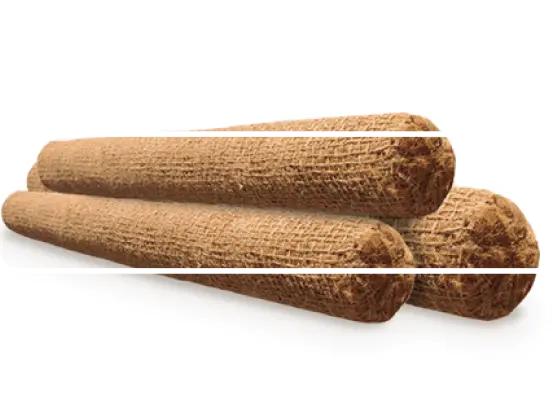
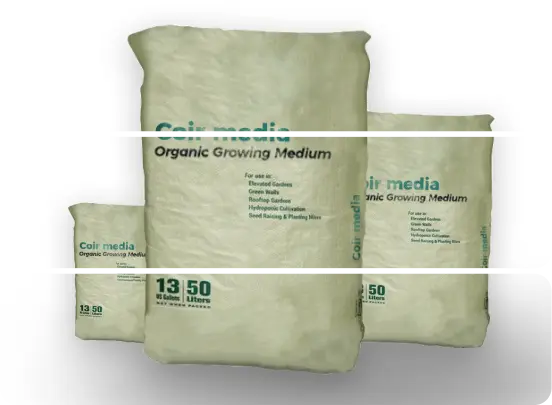
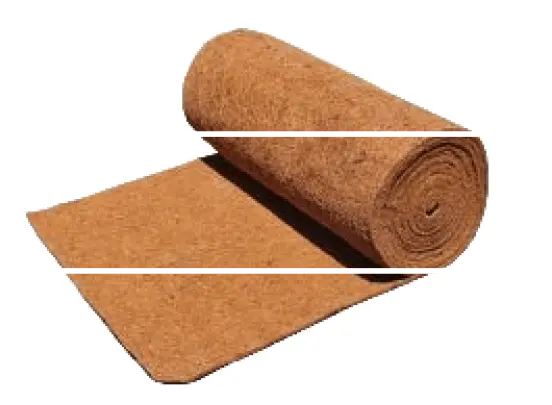
Made from coconut husks, coco coir retains water excellently while keeping roots properly aerated. Sounds contradictory but works perfectly. Finding a reliable coir product manufacturer in Russia solves sourcing headaches. They provide different formats –coir pith, coir chips, custom blends—matched to specific crop needs.
Why growers prefer it:
Nearly 40% of greenhouse vegetables in Russia are tomatoes. There’s a reason. The tomato grow bag system delivers consistent results without complicated infrastructure.
Keep daytime temps between 18-24°C, drop to 15-18°C at night. EC levels range from 2.0-3.5 mS/cm based on growth stage. Maintain pH between 5.8-6.3. Commercial operations run 8-10 month cycles, pulling 50-60 kg per square meter annually.
Those numbers aren’t theoretical. They’re happening in greenhouses across the country.
Indeterminate varieties like ‘Eupator’ and ‘Kinezhnich’ dominate commercial setups. They keep producing for extended periods instead of ripening everything at once. Makes total sense economically.
The cucumber grow bag method works beautifully with proper management. Cucumbers want more warmth than tomatoes—22-26°C during daylight, 18-20°C overnight. They also demand higher humidity, typically 70-80%.
EC levels stay between 1.8-2.5 mS/cm. pH needs to be 5.5-6.0. Production cycles run 4-6 months with yields hitting 40-50 kg per square meter. Popular varieties include ‘Courage F1’, ‘Emelya F1’, and ‘Zozulya F1’—all specifically bred for greenhouse conditions.
Leafy greens harvest incredibly fast. Lettuce, spinach, herbs—ready in 4-6 weeks. Quick turnover means rapid cash flow.
Peppers take longer at 6-8 months but produce heavy yields. Strawberries grown vertically produce year-round, meeting strong consumer demand for fresh berries during winter months.
Organic farming in Russia traditionally relies on soil cultivation. The relationship between organic certification and hydroponics gets complicated fast.
Traditional organic emphasizes soil biology, ecosystem balance, natural pest control. No synthetic chemicals allowed. Crop rotation and composting are standard practice. Hydroponics can incorporate organic principles using certified organic nutrient solutions and biological pest management.
But certification remains complex.
Some progressive Russian farms blend both approaches. They apply organic principles within hydroponic frameworks—certified nutrients, biological pest control, zero synthetic pesticides. Meets consumer demand for sustainable production while keeping hydroponic efficiency benefits.
Compromise works.
Russian winters demand robust heating systems. No shortcuts here. Modern facilities rely on energy-efficient LED grow lights running 14-18 hours daily. HVAC systems maintain exact temperature and humidity levels. CO2 supplementation boosts photosynthesis efficiency 20-30%. Automated monitoring adjusts conditions constantly.
Skip any of this, and production suffers immediately.
Nutrient solution management determines success or failure. Period. Specialized formulations contain macronutrients like nitrogen, phosphorus, potassium. Secondary nutrients include calcium, magnesium, sulfur. Micronutrients—iron, manganese, zinc, copper, boron, molybdenum—matter despite tiny amounts needed.
Regular EC and pH monitoring prevents deficiencies before they become visible. Wait until plants show symptoms, and you’ve already lost production time and quality.
Commercial hydroponic facilities cost $200-400 per square meter. Depends on automation level and crop selection. That’s serious money upfront.
But profitability factors look favorable. Premium prices for year-round fresh produce help margins. Government subsidies for greenhouse agriculture exist. Import substitution policies favor domestic producers over imports. Urban consumers increasingly prefer locally grown vegetables.
Energy costs represent 30-40% of operational expenses. That hurts. However, automation dramatically reduces labor requirements. Consistent production eliminates market volatility risks that plague traditional farming.
Russia imports roughly 30% of its vegetables currently. That represents massive domestic opportunity. Major retail chains increasingly source from local hydroponic operations, creating stable demand and premium pricing structures.
Market projections show 12-15% annual growth through 2030. Urbanization drives demand. Health consciousness increases. Food security concerns grow. All factors point toward expansion.
Heating and lighting requirements consume enormous energy. Solutions include integrating with existing heating infrastructure where possible. Some operations use waste heat from nearby industrial facilities. Renewable energy investments help long-term. LED technology cuts electricity consumption 40-50% compared to older lighting.
Every percentage point matters on energy costs.
Finding people who understand hydroponic systems remains difficult. Educational programs in agricultural universities help but aren’t enough yet. Partnerships with international experts transfer critical knowledge. Government-sponsored training initiatives exist in some regions. Farmer cooperatives share practical information.
The expertise gap will close gradually.
Getting quality inputs—specialized nutrients, proper growing media—requires developed supply chains. Partnership with international suppliers fills gaps currently. Local production of critical inputs remains limited in many regions.
Infrastructure buildout takes time.
Hydroponic farming in Russia shows strong growth potential. Government programs actively promote greenhouse agriculture. Technology advances steadily reduce operational costs. Consumer awareness of locally grown produce increases. Climate change makes traditional agriculture more challenging anyway.
Urban farming initiatives expand in major cities. Vertical farms appear in unexpected places. Rooftop greenhouses become more common. These developments boost food security while cutting transportation emissions and ensuring fresh produce availability year-round.
Practical progress, not pipe dreams.
Hydroponics addresses real Russian agricultural challenges. Climate limitations get bypassed. Demand for fresh, locally produced vegetables gets met. Success requires attention to technical details—proper growing media selection, appropriate crop varieties, optimal environmental conditions, precise nutrient management.
Infrastructure continues developing. Expertise keeps growing. Hydroponic farming in Russia will play an increasingly important role in agricultural independence and food security strategy.
The technology works. The economics make sense. The market exists. What started as experimental operations has become mainstream agricultural practice across the country.

Mathew is a product designer and engineer at Coirmedia, where he combines his passion for sustainability with his design and engineering expertise. He develops innovative coir products that are not only functional but also eco-friendly. Driven by a desire to share his knowledge, Neil is passionate about writing and teaching, aiming to educate others about his ideas, innovations, and the technology behind them.