When you bite into a perfectly ripe blueberry, the sweet-tart juice instantly transports you back to summer mornings. These tiny powerhouses have only been produced by conventional soil-based farms with their acres of acidic soil for generations. This presumption is being contested, though.
Many growers have found that growing blueberries without soil is not only feasible but also superior in many ways after years of experimenting with hydroponic systems. These once-experimental endeavors have evolved into year-round berry production systems that routinely surpass conventional gardening techniques.
Hydroponics, essentially growing plants in nutrient-rich water instead of soil, has completely changed how people think about agriculture. Sure, most growers stick to lettuce and basil, but hydroponic blueberry plants? That’s where things get really exciting. This guide shares everything learned through extensive trial, error, and countless pH meter readings.
Over the years, traditional blueberry cultivation has crushed many people’s hearts. Soilborne diseases can destroy entire crops, pH levels are always changing, and local soil conditions are frequently incorrect. Better solutions were required by growers.
Growing Environments: The problem with blueberries is that they have very specific pH requirements. It is difficult to keep it in regular soil for longer than a few weeks, and they prefer it to be between 4.5 and 5.5. Nutrient solutions in hydroponics are stable when adjusted once. No more enigmatic pH fluctuations or weekly soil amendments.
Growth: Compared to soil-managed plants, hydroponic plants grow roughly 40% faster. When plants don’t have to contend with drought stress or compete for nutrients, they can concentrate all of their energy on making those mouthwatering berries. When compared to conventional soil setups, many growers report harvesting three times as much fruit per plant.
Fresh Berries in January: This might be the best part. While most people buy expensive imported berries at grocery stores, hydroponic growers pick fresh ones from greenhouses in the middle of winter. Controlled environment means controlled seasons.
Space That Works: Compared to quarter-acre patches, vertical hydroponic systems yield more berries in 100 square feet. Additionally, since most common suspects cannot survive without soil, there are no pests to fight or weeds to pull.
Water That Remains: It sounds backwards, doesn’t it? However, compared to conventional irrigation setups, hydroponic systems use around 10% less water. Rather than vanishing into the earth, everything is recycled through the system.
Not every blueberry variety plays nice with hydroponic systems. After extensive testing and plant losses, experts have narrowed it down to the winners. Plants are tough, produce consistently, and the berries have that perfect balance of sweet and tart. They seem to forgive early mistakes better than other varieties.
Bluecrop serves as a reliable middle-season producer. The berries are huge, the plants rarely get sick, and they handle pH fluctuations better than most.
Legacy extends harvest seasons into late fall. These plants keep producing when others have given up for the year.
Sunshine Blue works perfectly for smaller indoor setups. Being dwarf and self-pollinating makes them ideal when space is tight.
Pro tip: Buy tissue-cultured plants or young potted ones, then spend serious time washing every speck of soil off the roots. Many growers learned this the hard way when contaminated soil ruined their first hydroponic attempts.
Blueberries aren’t typical hydroponic plants. They’re big, woody, and their root systems need room to breathe. Here’s what actually works:
Deep Water Culture (DWC) This has become a favorite system for many growers. Each plant gets its own 5-gallon bucket with roots suspended in oxygenated nutrient solution. The key is aggressive aeration – running air pumps 24/7 because blueberry roots will rot faster than you can say “root rot” without enough oxygen. When people ask about the Best Container for Blueberry Bushes in hydroponic terms, this is usually the recommendation.
Drip Systems Rock solid and reliable. Plants sit in coco coir or perlite while nutrient solution drips onto the root zone on a timer. Most growers prefer recirculating systems because they’re more economical, though pH monitoring becomes more critical since it drifts over time.
Ebb and Flow Works great but requires serious infrastructure. The grow trays need to handle mature blueberry bushes, which means heavy-duty construction. Good for commercial setups but probably overkill for home growers.
NFT Systems – Skip These Many growers have tried this approach once. The channels clog constantly, roots grow everywhere they shouldn’t, and maintenance becomes a nightmare. Sticking to the first three options proves more successful.
Soil is obviously out, so what’s left? After trying everything from rockwool to gravel, here’s what actually performs:
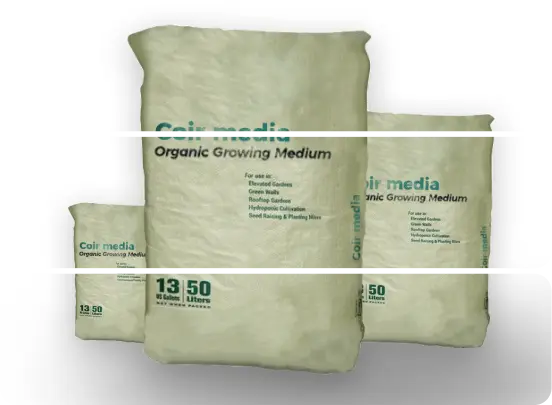
Coco Coir: This is pure gold for blueberry growing. It’s slightly acidic (blueberries love this), holds just the right amount of water, and provides excellent root support. The key is buying from a quality Coir Product Manufacturer that properly buffers and washes their product. Cheap coir will mess up the nutrient balance with excess salts.
Perlite Mix: Most growers use 70% coco coir, 30% perlite. The perlite adds drainage and prevents compaction, while the coir provides structure and moisture retention.
Clay Pebbles: Perfect for DWC systems. They drain completely, provide excellent aeration, and last forever. Just remember they hold almost no water, so irrigation timing needs to be spot-on.
Most people make mistakes here. Compared to other hydroponic plants, blueberries have a different diet.
pH is Everything: Growers who are successful check their pH every day. Range must remain between 4.5 and 5.5; this cannot be changed. Plants cannot absorb iron outside of this range, which results in the distinctive yellow-leaves-with-green-veins appearance that shouts “iron deficiency.” Essential tools include both pH Up and pH Down solutions and digital pH meters.
Nitrogen Preferences:Ammonium nitrogen is preferred by blueberries over nitrate nitrogen. This may seem strange in comparison to most hydroponic plants, but it’s essential for root zone pH maintenance and healthy growth.
EC Levels: Start low and work your way up. When the EC is higher than 1.2–1.6 mS/cm, young plants become stressed. Fruiting plants that are mature can withstand a maximum of 2.5–3.0 mS/cm. Many growers discovered this by using excessively potent nutrient solutions to kill multiple plants.
Lighting Requirements: Blueberries are light-hungry plants. Outdoors, they need 6-8 hours of direct sun minimum. Indoors, successful growers run full-spectrum LED lights for 14-16 hours during vegetative growth and 12 hours during fruiting. LEDs generate less heat and use less electricity than other options.
Temperature Management: Optimal conditions maintain 65-75°F during the day with slight nighttime drops. Most varieties need a winter chill period of 500-1000 hours below 45°F to fruit properly the following year. Many growers simulate this by moving plants to unheated garages for several weeks.
Pollination Reality: Indoor plants need help with pollination. Growers either hand-pollinate with small paintbrushes or use electric toothbrushes to vibrate flowers and transfer pollen. Sounds silly but it works.
From Planting Through Harvest
Getting Started: Hydroponic life is gradually introduced to new plants. Half-strength nutrients are used initially to avoid shock, and as plants adjust, concentration rises over a few weeks.
In order to focus their energy on developing roots and leaves, seasoned growers remove all flowers during the first year. Second-year production makes up for the wait, but it’s painful to see potential berries being pinched off.
Years of Production: Once established, plants begin to yield substantial amounts of fruit. During flowering and fruiting, successful growers modify nutrient ratios to include more potassium and phosphorus.
Maintenance Routine: Dead wood is removed, and plant centers are opened for improved light penetration by annual pruning during dormancy. In areas where the best fruit grows, this also promotes new growth.
Harvest Method: When ripe berries are rolled gently between fingers, they release easily and have a deep blue color. Timing is important because they stop ripening after being picked.
Yellow Leaves: Almost always means pH has drifted too high, causing iron lockout. Check and adjust pH immediately – this problem gets worse fast.
Brown Slimy Roots: Root rot from insufficient oxygen. Increase aeration, check water temperature (should be under 72°F), and ensure proper drainage.
Poor Berry Production: Usually, pollination problems or nutrient deficiencies. Hand-pollinate more aggressively and check phosphorus levels in nutrient solutions.
Soil growing never required the level of attention to detail that hydroponic blueberry growing does. Environmental controls cannot be disregarded, pH monitoring becomes a daily routine, and nutrient solutions require frequent adjustment. However, the rewards are amazing: year-round production, consistent harvests, and excellent fruit quality.
Many growers begin with just four plants in spare rooms that have been converted. After three years, they are growing enough berries to last families through the entire year, with plenty more to share with friends and neighbors. Although there is a steep learning curve at first, the outcomes speak for themselves once growers know what these plants require.
Opportunities that didn’t previously exist are created when contemporary hydroponic technology is combined with traditional horticultural knowledge. Hydroponic blueberry growing offers benefits that make the effort worthwhile, whether you’re looking for demanding pastimes or are thinking about going commercial.
It is best to start with basic DWC systems, concentrate on pH control, and be ready for some trial and error. Above all, no one should be deterred by early failures because every seasoned hydroponic gardener has lost some plants while learning.
Are you prepared to jump right in? Start by looking into the Best Blueberry Bush Container that fits the available space and locating premium buffered coco coir from a reliable manufacturer of coir products. All of the pH adjustments and nutrient calculations will be worthwhile after the first harvest.

Mathew is a product designer and engineer at Coirmedia, where he combines his passion for sustainability with his design and engineering expertise. He develops innovative coir products that are not only functional but also eco-friendly. Driven by a desire to share his knowledge, Neil is passionate about writing and teaching, aiming to educate others about his ideas, innovations, and the technology behind them.