Farming’s getting weird in New Zealand. Not bad weird – good weird. Traditional dirt farming’s taking a beating from crazy weather, shrinking farm space, and people wanting fresh veggies all year. Hydroponic farming in New Zealand swooped in like some kind of agricultural superhero.
Hit up any decent supermarket in Auckland or Wellington. Those perfect lettuce heads and tomatoes? Probably grown without a speck of soil. What used to sound like something from Star Trek is now just Tuesday for plenty of growers.
This isn’t some trendy fad either. Hydroponic farming NZ setups are crushing traditional farming in ways that matter – bigger harvests, faster turnaround, total control over everything. New Zealand’s all-over-the-place weather makes this stuff pure gold.
Hydroponics cuts through all the farming fluff. Plants get water, food, air, and something to hold onto – no dirt required. Instead of roots scrambling around underground looking for dinner, everything gets delivered room service style.
Sounds dead simple, right? Wrong. This stuff demands knowing plants inside and out. Every nutrient needs measuring like a chemistry lab. pH levels throw tantrums constantly. Water quality matters more than anything. Temperature, humidity, lighting – control freaks paradise.
New Zealand’s climate is basically hydroponic heaven. Mild temperatures mean greenhouses don’t need crazy heating or cooling like other places. Summer doesn’t melt everything, winter doesn’t freeze pipes solid. Pretty sweet deal.
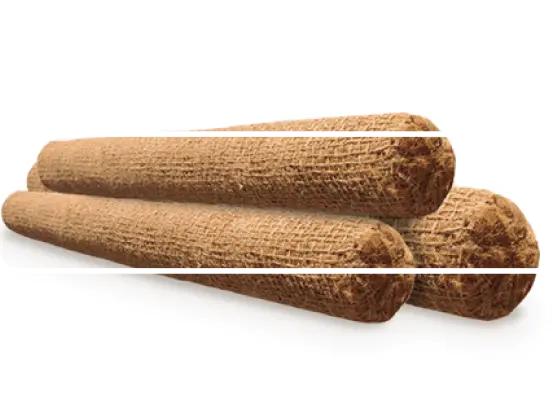
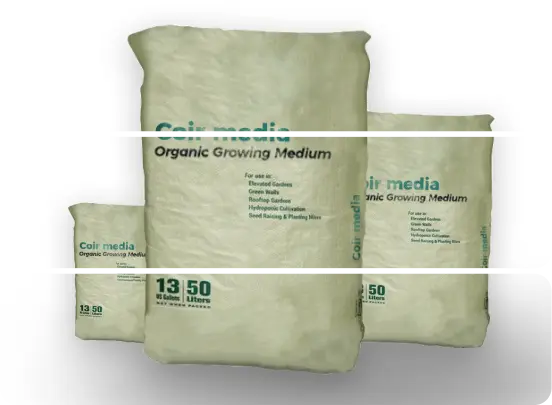
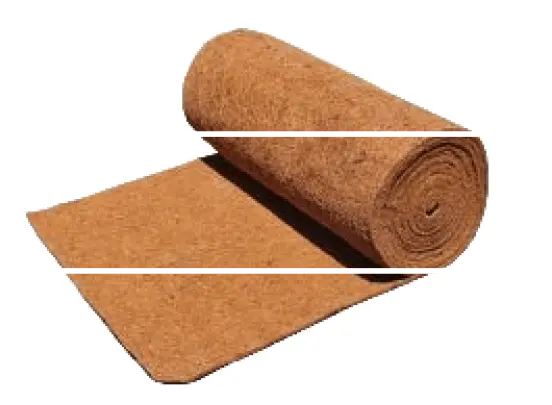
Coconut coir supplier in New Zealand folks caught onto this fast. They’re promoting sustainable growing methods that actually work better than traditional options. Coconut fiber beats regular soil and synthetic junk for water handling – holds what plants need, drains what they don’t.
Geography dealt New Zealand some serious advantages. Being isolated means strict border controls that actually help growing operations. Fewer bugs and diseases sneak in, so less chemical warfare needed.
Clean air everywhere, rain when needed – perfect starting materials. City water supplies work fine for most hydroponic setups without expensive treatment. Country areas often have killer bore water or reliable streams.
Renewable energy’s huge here. Wind, hydro, solar – hydroponic operations can run clean electricity instead of burning fossil fuels. Customers dig that environmental angle more every year.
Workers know their stuff too. New Zealand schools pump out technically smart people who can handle sophisticated growing systems. Not always easy finding them, but when you do, they’re solid.
Climate and cash flow determine what works in hydroponic farming in New Zealand. Leafy greens – lettuce, spinach, herbs – perform like rockstars while commanding premium prices locally.
Tomatoes rule the commercial hydroponic world here. Modern greenhouse setups crank out tomatoes year-round for supermarkets and restaurants. Cherry tomatoes especially – people can’t get enough of those snacking varieties.
Cucumbers follow the same playbook. Hydroponic systems deliver straight, uniform cucumbers that meet picky retail standards. No weather-damaged wonky ones like field growing produces.
Strawberries are taking off, especially for tourism operations. Horticulture grow bag systems let families pick their own strawberries while paying premium prices for the experience.
Herbs = high-value goldmine for smaller operations. Basil, cilantro, parsley, fancy specialty herbs – restaurants pay excellent money while systems stay relatively simple. Steady demand, good margins.
Pick the wrong growing medium, kiss success goodbye. Plants need root support plus perfect water and nutrient flow. Medium holds enough moisture to prevent drought stress but drains completely for root oxygen.
Traditional stuff like rockwool or perlite works okay but creates environmental headaches. Rockwool never biodegrades, becomes disposal nightmare. Perlite takes tons of energy to process, doesn’t hold much water.
Coir based vegetable grow bags solve these problems while boosting plant performance. Made from coconut husks that would otherwise hit landfills – excellent water retention, natural drainage.
Coconut coir’s fibrous structure creates air pockets even when soaked with nutrients. Eliminates the constant juggling act between moisture and oxygen that drives other growing media nuts.
Coir naturally buffers pH, stabilizing nutrient solutions. Less constant adjusting compared to synthetic stuff. Material resists breaking down, so grow bags keep their structure through entire growing cycles.
Precision nutrition separates hydroponic farming from dirt farming. Every single element plants need gets dissolved in water at exact concentrations. Too little creates deficiencies, too much causes toxicity or blocks other nutrients.
New Zealand’s water quality varies like crazy between regions. Hard water areas need accounting for natural minerals, soft water regions require complete supplementation from scratch.
pH management becomes absolutely critical. Most vegetables want slightly acidic conditions – 5.5 to 6.5 pH. Traditional farmers rarely worry about pH since dirt buffers naturally. Hydroponic growers monitor and adjust constantly.
EC (electrical conductivity) measurements reveal total nutrient concentration. Different crops and growth stages need different EC levels – low for seedlings, higher for fruiting plants.
Temperature messes with nutrient uptake rates. Summer heat cranks plant metabolism, demanding more food. Winter chill slows everything down, requiring lighter feeding.
Clean, consistent water supply makes or breaks hydroponic farming NZ operations. City water works fine in most areas, though chlorine treatment needs attention.
Chlorine keeping drinking water safe can damage beneficial microorganisms in hydroponic systems. Simple aeration or carbon filtration removes chlorine effectively without breaking budgets.
Water temperature affects oxygen levels and nutrient uptake. New Zealand’s mild climate naturally maintains reasonable temperatures, though winter heating sometimes becomes necessary.
Recycling nutrient solutions cuts water consumption while reducing costs. Modern systems capture and reuse drainage after testing and adjusting levels. Particularly important in water-restricted areas or expensive supply regions.
Storage tank sizing depends on operation scale and supply reliability. Rural setups might need bigger storage for supply interruptions, urban operations can rely on consistent municipal water.
Hydroponic farming in New Zealand often happens inside controlled structures optimizing growing conditions. Basic plastic tunnels protect leafy greens, sophisticated glass greenhouses create perfect environments for valuable crops.
Greenhouse design must handle New Zealand’s specific climate patterns. Summer cooling often matters more than winter heating. Natural ventilation works great with consistent winds across the country.
Bug screening keeps pests out while maintaining airflow. New Zealand’s relatively pest-free environment needs less sophisticated screening than tropical regions – saves construction costs.
Climate control ranges from simple fans to computer-controlled systems monitoring temperature, humidity, CO2, and air circulation. Investment levels depend on crop value and local challenges.
Lighting extends growing seasons and improves quality, especially for winter production. LED technology made supplemental lighting economically viable, while New Zealand’s sunshine hours reduce requirements compared to darker climates.
Modern systems lean heavily on automation for consistent conditions while cutting labor needs. Simple timers control watering cycles, sophisticated computers monitor and adjust everything automatically.
Sensor tech enables remote monitoring of critical parameters. pH, EC, temperature, moisture sensors connected to phone apps let growers check operations from anywhere with internet.
Data logging identifies patterns and optimizes protocols. Historical data shows how varieties respond to environmental changes, enabling system fine-tuning over time.
Automated nutrient dosing maintains perfect concentrations while reducing labor. These systems pay for themselves fast in commercial operations through waste reduction and improved consistency.
Environmental responsibility increasingly drives media selection in New Zealand hydroponic operations. Traditional rockwool creates disposal challenges, peat moss harvesting destroys ecosystems.
Coconut coir supplier in New Zealand operations provide sustainable alternatives addressing environmental concerns while improving plant performance. Coconut processing creates massive husk waste volumes requiring disposal.
Converting coconut waste into growing media eliminates disposal problems while creating valuable agricultural inputs. Process requires minimal energy compared to manufacturing synthetic media – reduces overall environmental impact.
Coir’s natural properties make it ideal for hydroponic applications. Material holds water efficiently while maintaining drainage, eliminating need for multiple medium components.
Potting mix formulations incorporating coconut coir provide consistent conditions across crop types. Standardized mixes eliminate variability between cycles while ensuring optimal performance.
New Zealand’s hydroponic industry offers various commercial opportunities for different investment levels and expertise. Small herb production requires minimal startup capital while generating steady cash through restaurants and farmers markets.
Medium-scale leafy green operations supply supermarket chains and food service distributors. More sophisticated equipment required but higher revenues through volume sales.
Large tomato and cucumber operations compete with imports while offering superior freshness and quality. Significant capital investment required but substantial revenues in mature markets.
Specialty crop production targets niche markets with premium pricing. Exotic vegetables, microgreens, organic herbs command higher prices while requiring specialized expertise.
Agritourism combinations attract visitors while generating additional revenue streams. Pick-your-own operations, farm tours, educational programs supplement crop sales with experience income.
Different regions present unique opportunities and challenges. Understanding local climate patterns, market access, infrastructure availability helps determine optimal locations for operation types.
Auckland’s urban market provides excellent demand while offering technical expertise and support services. Higher land costs require intensive production systems generating adequate investment returns.
Canterbury’s agricultural expertise and infrastructure support large commercial operations. Abundant water supplies and established distribution networks make this region attractive for major investments.
Otago’s continental climate creates opportunities for crops struggling in humid regions. Temperature extremes require sophisticated climate control but enable specialized crop production.
Bay of Plenty’s horticultural focus provides existing market channels and technical support. Region’s protected cropping experience translates well to hydroponic systems.
Food safety requirements for hydroponic produce match or exceed traditional agriculture standards. Controlled environments actually provide superior food safety opportunities compared to field production.
Traceability becomes easier when every input gets monitored and recorded. Documentation helps quality assurance while meeting retailer requirements for product tracking.
Pest management relies more on biological controls and physical exclusion than chemical treatments. Approach produces cleaner produce while reducing environmental impact.
Water quality testing ensures nutrient solutions remain free from harmful bacteria and contaminants. Regular testing protocols prevent food safety issues while maintaining plant health.
Harvest and post-harvest handling must maintain hydroponic production’s quality advantages. Cold chain management becomes critical for maintaining freshness and shelf life.
Hydroponic farming in New Zealand requires careful economic analysis ensuring profitability. Initial setup costs often exceed traditional farming investments, but higher yields and premium pricing can justify additional expense.
Infrastructure represents largest initial investment, particularly greenhouse operations. Steel frame greenhouses withstand New Zealand’s wind conditions while providing long-term durability.
Equipment costs include irrigation systems, climate control, monitoring technology. Automation reduces ongoing labor costs while improving consistency and yields.
Operating expenses include electricity, nutrients, water, labor. Energy costs for heating and lighting can be significant, though renewable sources help control expenses.
Market analysis determines crop selection and pricing strategies. Understanding seasonal demand patterns helps optimize production schedules for maximum profitability.
Return calculations must account for learning curves associated with hydroponic production. Initial yields may fall below projections while growers develop system expertise.
Controlled environment agriculture enables sophisticated pest management strategies relying less on chemical controls than traditional farming. Physical barriers prevent most pests entering growing areas, biological controls manage those gaining access.
Beneficial insects provide natural pest control without chemical residues. Predatory mites, parasitic wasps, other beneficial species can be introduced controlling pest populations naturally.
Monitoring systems detect problems early when biological controls remain most effective. Sticky traps, visual inspections, automated monitoring identify issues before becoming serious.
Cultural controls modify growing conditions favoring crops over pests. Proper sanitation, climate management, crop rotation principles adapted to hydroponic systems reduce pest pressure naturally.
Chemical controls, when necessary, can be applied precisely in controlled environments. Targeted applications reduce environmental impact while maintaining effectiveness.
Vertical farming represents next evolution in hydroponic agriculture, maximizing production per floor space. Multi-tier systems work particularly well for leafy greens and herbs in urban environments.
LED lighting technology continues improving while costs decline, making supplemental lighting economically viable for more crop types. Full spectrum LEDs provide optimal light quality while minimizing energy consumption.
Artificial intelligence and machine learning help optimize growing conditions automatically. Systems learning from plant responses can adjust environmental parameters more precisely than human operators.
Aquaponics integration combines hydroponic plant production with fish farming, creating closed-loop systems maximizing resource utilization. Systems appeal to environmentally conscious consumers while generating multiple revenue streams.
Molecular farming uses hydroponic systems producing pharmaceuticals and industrial compounds in plants. Emerging field offers high-value opportunities for specialized operators.
Hydroponic farming NZ operations benefit from efficient distribution networks capitalizing on product freshness advantages. Direct-to-consumer sales through farmers markets, online platforms, farm stands maximize profit margins while building customer relationships.
Food service distribution targets restaurants, cafes, institutional buyers valuing consistent quality and year-round availability. Channels often pay premium prices for reliable supply.
Retail distribution through supermarket chains provides volume sales opportunities but requires meeting strict quality specifications and delivery schedules. Hydroponic produce’s consistent appearance and extended shelf life provide competitive advantages.
Cold chain management maintains quality from harvest to consumer. Proper temperature control throughout distribution preserves freshness and nutritional advantages hydroponic production provides.
Processing opportunities add value to fresh produce while extending shelf life. Packaged salads, cut herbs, prepared vegetables command higher prices than fresh produce alone.
Modern hydroponic systems address environmental concerns while producing more food per land and water unit than traditional agriculture. Water recycling reduces consumption, controlled environments eliminate agricultural runoff.
Coir based vegetable grow bags provide sustainable growing media utilizing waste products from coconut processing. Circular economy approach reduces landfill burden while creating valuable agricultural inputs.
Energy efficiency improvements continue reducing controlled environment agriculture’s environmental footprint. LED lighting, heat recovery systems, renewable energy integration minimize fossil fuel dependence.
Carbon footprint analysis often favors local hydroponic production over imported produce, particularly considering transportation emissions. Year-round local production reduces overseas supplier dependency.
Packaging reduction opportunities exist through direct marketing channels eliminating individual product wrapping. Reusable containers and bulk sales reduce waste while appealing to environmentally conscious consumers.
Successful hydroponic farming in New Zealand requires developing expertise in plant biology, nutrition management, system operation. Traditional farming experience provides valuable background but doesn’t directly translate to hydroponic systems.
Educational programs through universities, polytechnics, industry organizations provide formal hydroponic training. Programs combine theoretical knowledge with practical experience.
Mentorship programs connect new growers with experienced operators providing guidance through learning processes. Industry associations facilitate connections while promoting best practices.
Continuing education keeps growers current with technological advances and new techniques. Regular workshops, conferences, online resources help operators improve systems continuously.
Technical support from suppliers becomes crucial during startup phases. Equipment manufacturers and coconut coir supplier in New Zealand operations often provide training and ongoing assistance.
Hydroponic farming in New Zealand represents more than just alternative growing – it’s becoming essential for meeting future food production needs. Traditional farming faces increasing challenges from climate change, urban development, resource constraints – controlled environment agriculture provides reliable solutions.
Technology has matured beyond experimental stages becoming commercially viable for various crop types and scales. From small herb operations to large commercial facilities, hydroponic systems deliver consistent results traditional farming struggles matching. Success requires understanding hydroponic farming operates more like manufacturing than traditional agriculture. Precision, consistency, attention to detail determine outcomes more than intuition or soil-based experience.
Investment in quality infrastructure, including appropriate growing media like horticulture grow bag systems and reliable potting mix formulations, forms the foundation for long-term success. Components determine plant performance while affecting ongoing operational efficiency.
New Zealand’s unique advantages – clean environment, skilled workforce, strong domestic markets – position the country well for continued hydroponic agriculture growth. Technical capability and market demand combination creates opportunities for new entrants and existing operation expansion.
Environmental sustainability considerations increasingly favor hydroponic production methods minimizing resource consumption while maximizing yields. Coconut coir supplier in New Zealand operations supporting this industry demonstrate how agricultural innovation can address environmental concerns while improving productivity. The future of New Zealand agriculture increasingly includes hydroponic systems as essential components rather than alternative methods. Understanding these systems today positions growers for success in tomorrow’s agricultural landscape.

Mathew is a product designer and engineer at Coirmedia, where he combines his passion for sustainability with his design and engineering expertise. He develops innovative coir products that are not only functional but also eco-friendly. Driven by a desire to share his knowledge, Neil is passionate about writing and teaching, aiming to educate others about his ideas, innovations, and the technology behind them.