Hydroponic farming systems in France stopped being some experimental thing and started solving actual problems. Cities don’t have space. Water’s running short. Weather’s all over the place. Everyone wants fresh vegetables grown nearby. Hydroponics tackles every single one of these issues.
The government’s pushing hard for sustainable agriculture. Consumers won’t stop asking for locally-grown produce. Perfect conditions for hydroponics to take off. Commercial greenhouses are spreading across the countryside. Vertical farms keep popping up in Paris, Lyon, Marseille. Soilless cultivation is literally reshaping how France produces food. Without any actual ground involved.
The definition of hydroponic farming comes down to growing plants without dirt using mineral nutrients dissolved in water instead. The word’s Greek. “Hydro” means water. “Ponos” means labor. Water doing the work.
Plant roots sit in inert growing materials like coconut coir, perlite, vermiculite, rockwool, or clay pellets. These materials just hold plants upright while letting nutrient solution reach the roots efficiently. Traditional farming? Plants pull nutrients from soil. Hydroponics delivers precisely mixed solutions straight to roots. Direct access. Nothing in between.
Plants need six essential elements—carbon, hydrogen, oxygen, nitrogen, phosphorus, potassium. Plus some secondary nutrients and micronutrients. Nature provides carbon from air, hydrogen and oxygen from water, everything else from soil. Hydroponics provides all these elements in controlled, optimized forms.
No soil means ditching tons of problems. Soil-borne diseases, nutrient depletion, compaction, contamination from heavy metals or pesticides. Gone. This controlled setup lets growers create perfect conditions for specific crops. Growth rates maximize. Yields shoot up. Nutritional quality improves.
French growers work with various hydroponic methods depending on what they’re growing, how big the operation is, and what they can spend.
NFT systems circulate a thin film of nutrient solution through channels where plant roots hang suspended. Oxygenation’s excellent. Widely used across France for leafy greens, herbs, strawberries. Continuous flow ensures consistent nutrient delivery without drowning the roots.
French commercial operations love NFT for efficiency and scalability. Systems can run horizontal or on slight inclines. Pumps circulate solution from reservoirs. The thin film approach minimizes water and nutrient usage while maximizing oxygen reaching roots. Smart design.
DWC systems suspend plant roots directly in oxygenated nutrient solutions. Air stones or diffusers keep dissolved oxygen levels up, preventing root suffocation. Popular among French urban farmers and small-scale producers growing lettuce, basil, quick-growing crops.
DWC’s simplicity makes it accessible for beginners while staying effective for commercial production. French aquaponic farms often incorporate DWC principles—combining fish cultivation with plant production in integrated systems. Two for one.
Drip systems deliver nutrient solution directly to individual plants through emitters. Precise control over feeding schedules. This method dominates French greenhouse production of tomatoes, cucumbers, peppers, fruiting vegetables.
Commercial operations in regions like Brittany and Provence use sophisticated drip systems with computerized controls managing nutrient delivery based on plant growth stages, environmental conditions, crop requirements. Drip system flexibility allows growers to cultivate diverse crops simultaneously with customized feeding programs for each one.
Ebb and flow systems periodically flood growing trays with nutrient solution before draining back to reservoirs. This cyclic approach provides excellent oxygenation between flooding periods while ensuring thorough nutrient delivery during floods.
French indoor farms and research facilities commonly employ ebb and flow systems for experimental crops and specialty production. The method’s versatility accommodates various plant sizes and growth media—from small seedlings to mature fruiting plants. Adapts to whatever’s needed.
Aeroponic systems suspend roots in air, misting them with nutrient solution at regular intervals. Advanced technique providing maximum oxygenation and nutrient absorption efficiency. Several French vertical farming companies use aeroponics for high-value crops including herbs, microgreens, leafy vegetables.
Technically demanding and initially expensive, sure. But aeroponic systems deliver exceptional growth rates and resource efficiency. Aligns perfectly with France’s sustainability objectives. Worth the investment for serious operations.
A general hydroponics farm kit provides essential components for establishing basic operations. Understanding these standardized kits helps prospective French growers evaluate requirements and costs.
Entry-level kits typically include growing containers or channels, reservoir tanks for nutrient solution storage, water pumps for circulation, air pumps and stones for oxygenation, growing medium like clay pellets or coir, basic nutrient solutions, pH testing equipment. Basics covered.
Intermediate kits add automated timers for pump operation, pH and EC (electrical conductivity) meters for precise monitoring, grow lights for indoor cultivation, environmental controllers for temperature and humidity management. Step up from beginner level.
Professional French operations require industrial-grade components. High-capacity reservoirs (500-10,000 liters), commercial pumps and irrigation systems, computerized nutrient dosing systems, climate control infrastructure, automated monitoring platforms. Big difference from home setups.
French suppliers offer complete turnkey solutions for greenhouse operations, incorporating European quality standards and certifications. These systems integrate seamlessly with existing agricultural infrastructure, making transition from traditional farming methods smoother.
Choosing suitable equipment depends on several factors. What crops? How much space? Budget constraints? Technical expertise? Production goals? Small-scale French producers often begin with basic kits growing herbs or lettuce, gradually expanding as they develop expertise and confidence.
Working with reputable suppliers ensures access to quality components, technical support, replacement parts. Many French agricultural cooperatives now offer hydroponic equipment and training, supporting members’ transition to soilless cultivation. Community matters.
Hydroponic farming DIY approaches gained popularity among French home gardeners, urban dwellers, small-scale producers seeking cost-effective entry into soilless cultivation. Can’t blame them. Commercial kits get pricey.
Kratky Method: This passive system requires no pumps or electricity. Plants grow in containers with nutrient solution, roots partly submerged and partly exposed to air. French balcony gardeners successfully grow lettuce, herbs, small vegetables using this method with minimal investment. Dead simple.
PVC Pipe Systems: Using readily available plumbing materials, growers construct NFT-style systems from PVC pipes. Holes accommodate net pots holding plants while pumps circulate solution through pipes. French DIY enthusiasts share designs through online communities and local gardening clubs. Free plans everywhere.
Container Gardens: Simple DWC systems use plastic storage containers, aquarium air pumps, basic growing media. These setups work well for herbs, lettuce, strawberries on French patios, balconies, small yards. Gets the job done.
DIY projects use commonly available materials. Food-grade plastic containers, PVC pipes and fittings, aquarium pumps and tubing, LED grow lights, basic tools, growing media. French hardware stores and garden centers increasingly stock hydroponic supplies alongside traditional gardening products. Easier to find than before.
Construction requires basic skills in cutting, drilling, assembling components. Plenty of French-language resources including YouTube channels, blogs, books provide detailed instructions for various system types. No shortage of guidance.
DIY systems significantly reduce initial investment compared to commercial kits. Basic setup for growing herbs and lettuce costs €50-150 in materials. More sophisticated systems with lighting and automation range from €200-500. Substantial savings compared to pre-fabricated kits costing €300-1,000 or more. Night and day difference.
French DIY practitioners emphasize that while monetary costs decrease, time investment increases. Building and troubleshooting homemade systems requires patience and willingness to learn through experimentation. Trade-off worth considering.
Beyond cost savings, DIY hydroponics provides valuable learning experiences. Understanding system mechanics, nutrient dynamics, plant responses develops skills applicable to larger operations. Many successful French commercial growers began with home DIY projects before scaling up. Solid foundation.
Understanding the average farm size in France provides context for hydroponic adoption and scalability considerations.
According to French agricultural statistics, the average farm size sits at approximately 63 hectares. Significantly larger than the European Union average of 17 hectares. But this figure varies dramatically by region and farming type.
Northern France—large grain operations often exceed 100 hectares. Mediterranean regions feature smaller holdings averaging 10-30 hectares focused on fruits, vegetables, specialty crops. Organic farms and vegetable operations trend toward smaller sizes. Many productive units operating on 2-10 hectares.
Hydroponic farming’s efficiency allows profitable production on much smaller land areas compared to traditional agriculture. Well-managed 1-hectare hydroponic greenhouse can generate revenue equivalent to 10-20 hectares of field vegetables. That’s powerful.
This land efficiency makes hydroponics attractive for French farmers with limited acreage, particularly near urban centers where land values run sky-high. Peri-urban producers can supply local markets with fresh produce from compact hydroponic facilities, reducing transportation costs and carbon emissions. Makes economic sense.
France’s urban hydroponic operations often occupy minimal ground space, using vertical configurations to maximize production. Rooftop farms, converted warehouses, purpose-built vertical facilities in cities like Paris produce substantial quantities on fractions of a hectare.
These operations demonstrate traditional farm size metrics become less relevant in controlled environment agriculture. Production capacity depends more on facility volume, technology level, crop selection than simple land area. Different calculation entirely.
Successful hydroponic operations require high-quality growing media and inputs from reliable suppliers.
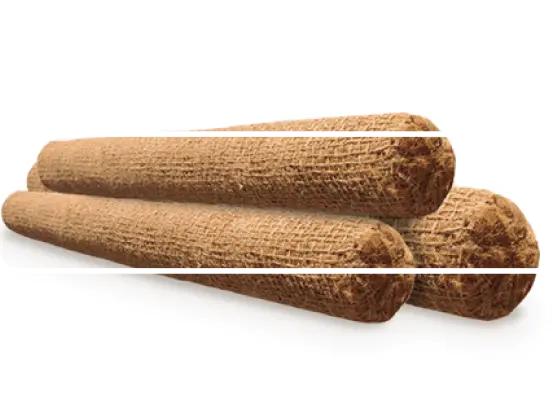
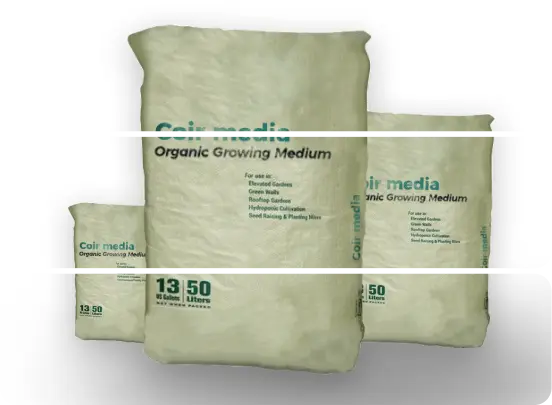
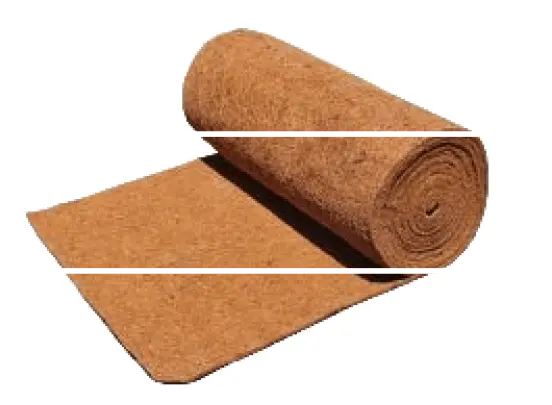
Partnering with a reputable Coir Product Manufacturer in France ensures access to premium growing substrates. Coconut coir has become the preferred medium for many French hydroponic operations due to its sustainability, performance characteristics, reusability.
Coir offers excellent water retention while maintaining proper drainage and aeration—critical factors for healthy root development. The material’s pH-neutral nature prevents nutrient lockout issues common with some media. French growers appreciate coir’s consistency and reliability across multiple growing cycles. Performs every time.
Tomato grow bag systems dominate French greenhouse production of this economically important crop. These bags, typically 15-25 liters in capacity, provide adequate volume for extensive tomato root systems while ensuring proper drainage and oxygenation.
French tomato producers favor coir-filled grow bags for their ease of use, consistent performance, environmental benefits compared to rockwool or other synthetic media. The bags support plant weight while allowing precise nutrient delivery through drip irrigation systems. Practical solution.
Vegetable grow bag options accommodate diverse crop requirements. Medium-sized bags (8-15 liters) work well for cucumbers, peppers, eggplants. Smaller sizes (3-6 liters) suit lettuce, herbs, leafy greens. French growers select bag sizes based on expected root development and plant height.
Grow bag portability facilitates crop rotation and greenhouse management. Used bags can be emptied, coir can be composted or reused after appropriate treatment. Supports circular economy principles increasingly important in French agriculture. Environmentally smart.
Quality potting mix blends optimize hydroponic performance by combining various components. Premium mixes incorporate coconut coir for moisture retention, perlite for drainage and aeration, vermiculite for moisture holding, sometimes compost for biological activity.
French manufacturers produce specialized hydroponic mixes tailored to specific crops and system types. Tomato mixes emphasize drainage to prevent root diseases. Lettuce formulations prioritize moisture retention for shallow-rooted crops. Custom blending allows growers to fine-tune media properties for their unique conditions and preferences. Dialed in perfectly.
French hydroponic operations focus on high-value crops with strong domestic demand and favorable growing characteristics.
Tomatoes represent the largest hydroponic crop in France by volume and value. Consumer preference for fresh, flavorful tomatoes year-round drives greenhouse production. French growers cultivate various types—cherry, cocktail, beefsteak, heirloom varieties. Emphasis on taste and quality over mere yield. French know their tomatoes.
Lettuce, arugula, spinach, mixed salad greens thrive in hydroponic systems. Rapid turnover and multiple harvests annually. French cuisine’s emphasis on fresh herbs supports profitable production of basil, cilantro, parsley, chives, specialty herbs like tarragon and chervil. Strong market demand.
Both slicing and mini cucumber varieties perform excellently in French hydroponic greenhouses. The crops’ high water content and rapid growth suit hydroponic cultivation. Consistent quality meets exacting French retail standards. Customers expect perfection.
Table-top hydroponic strawberry production has expanded significantly in France, particularly in vertical and suspended gutter systems. This method facilitates harvesting, reduces disease pressure, extends production seasons beyond traditional field cultivation. Game changer for berry growers.
Microgreens, edible flowers, exotic Asian vegetables, specialty mushrooms represent niche opportunities for French hydroponic growers supplying restaurants and gourmet markets. These high-value products command premium prices justifying intensive production methods. Worth the extra effort.
Understanding financial requirements and potential returns guides investment decisions.
Small-scale systems (100-500 m²) require €50,000-150,000 including greenhouse structure, hydroponic equipment, climate control, initial operating capital. Medium operations (1,000-3,000 m²) typically invest €300,000-800,000. Large commercial facilities (1+ hectares) require €1-3 million or more. Serious money.
French agricultural banks offer specialized financing for greenhouse operations. Government programs sometimes subsidize sustainable agriculture investments. European Union rural development funds occasionally support innovative farming projects including hydroponics. Funding opportunities exist.
Major ongoing expenses include nutrients and growing media (€3,000-8,000 per hectare annually), energy for heating, cooling, lighting (€20,000-60,000 per hectare), labor for planting, maintenance, harvesting (€40,000-100,000 per hectare), packaging and marketing (€10,000-25,000 per hectare), maintenance and repairs (€5,000-15,000 per hectare).
Energy costs represent the largest variable expense, particularly for heated winter production. French growers increasingly invest in renewable energy—solar panels and biomass heating particularly—to reduce operating costs and environmental impact. Long-term thinking pays off.
Well-managed operations generate substantial returns. Tomato production typically yields €100,000-250,000 per hectare gross revenue. Lettuce and herbs €150,000-300,000 per hectare. Strawberries €200,000-400,000 per hectare. Specialty crops potentially exceeding €500,000 per hectare. Numbers add up fast.
Net profit margins vary from 15-40% depending on crop selection, management efficiency, market access, price fluctuations. Direct sales to restaurants, farmers markets, consumers through Community Supported Agriculture (CSA) programs often yield higher margins than wholesale distribution. Cut out the middleman when possible.
France’s sophisticated food distribution system offers multiple marketing channels. Wholesalers supply supermarket chains and grocery stores. Farmers markets provide direct consumer sales. Restaurant and catering supply creates consistent demand. Retail partnerships enable branded product lines. Online sales and delivery reach urban consumers. Options abound.
Building relationships with buyers and establishing reputation for quality and reliability are essential for success. Many French hydroponic growers differentiate through organic certification, local branding, specialty varieties unavailable through conventional channels. Stand out from the crowd.
Successful operations require attention to numerous technical factors.
Hydroponic nutrients supply all essential elements in precise ratios. Complete formulations include macro-nutrients (nitrogen, phosphorus, potassium, calcium, magnesium, sulfur) and micro-nutrients (iron, manganese, boron, zinc, copper, molybdenum, chlorine).
French growers typically use commercial nutrient solutions from manufacturers like General Hydroponics Europe, Canna, or local suppliers. These products provide balanced formulations for different crops and growth stages. Advanced operations customize solutions based on water analysis and plant tissue testing. Fine-tuning matters.
Maintaining proper pH (typically 5.5-6.5) and electrical conductivity ensures nutrient availability and prevents deficiencies or toxicities. Regular monitoring and adjustment are essential for optimal growth. Can’t slack on this.
French climate varies from Mediterranean in the south to oceanic in the west and continental in the east. Different environmental management strategies required. One size doesn’t fit all.
Temperature: Most vegetables thrive at 18-25°C daytime and 15-20°C nighttime temperatures. Heating systems maintain winter warmth while cooling systems (evaporative cooling, ventilation, shade screens) manage summer heat.
Humidity: Ranges of 60-80% prevent disease while supporting transpiration. Dehumidification may be necessary during humid periods to prevent fungal problems. Watch those humidity levels.
Light: Northern French operations often supplement natural light during winter months using LED or high-pressure sodium fixtures. Light intensity, spectrum, photoperiod affect growth rates and crop quality.
Carbon Dioxide: Enrichment to 800-1,200 ppm enhances photosynthesis and growth rates in sealed greenhouse environments. Boost production naturally.
French municipal water varies in quality by region. Testing for pH, mineral content, contaminants guides treatment decisions. Reverse osmosis filtration removes excess minerals from hard water. UV sterilization eliminates pathogens.
Water conservation through closed-loop systems, condensation capture, rainwater collection aligns with French environmental regulations and reduces operating costs. Smart resource management.
Integrated Pest Management (IPM) strategies minimize pesticide use while protecting crops. Biological controls using beneficial insects and mites, physical barriers including insect screening and sticky traps, cultural practices emphasizing sanitation and climate management, selective use of approved pesticides when necessary create comprehensive protection.
French regulations increasingly restrict pesticide use, particularly for products sold as organic or eco-labeled. Preventive approaches and biological controls align with regulatory trends and consumer preferences. Stay ahead of regulations.
Certain French regions emerged as hydroponic production hubs.
This northwestern region’s moderate climate and agricultural tradition support extensive greenhouse production. Proximity to major markets including Paris, Nantes, Rennes provides distribution advantages. Breton producers focus on tomatoes, cucumbers, lettuce. Location matters.
Southern France’s sunny climate reduces heating costs while abundant natural light supports year-round production. Operations near Marseille, Nice, Toulon supply local markets and tourist destinations with fresh produce. Natural advantages.
The Paris metropolitan region hosts numerous urban and peri-urban hydroponic operations. Rooftop farms, vertical facilities, converted industrial buildings produce high-value crops for restaurants and direct consumer sales. Urban agriculture thriving.
This central region balances proximity to northern markets with favorable growing conditions. Greenhouse clusters near Tours and Angers produce diverse vegetables and specialty crops. Sweet spot location.
French hydroponic operations must navigate various regulations and certification options.
European Union organic standards permit hydroponic production, though debates continue regarding soil’s role in organic agriculture. French certification bodies including Ecocert and Bureau Veritas evaluate operations for compliance. Organic hydroponic production prohibits synthetic pesticides and requires approved nutrient sources. Rules are rules.
French food safety regulations mandate proper hygiene, traceability, quality control. Hydroponic operations implement HACCP (Hazard Analysis Critical Control Points) programs and maintain detailed records of inputs, production practices, distribution. Documentation essential.
Water discharge, waste management, energy use must comply with French environmental laws. Sustainable practices including water recycling, renewable energy use, waste reduction often receive preferential regulatory treatment and sometimes financial incentives. Environmental responsibility rewarded.
French labor regulations govern wages, working hours, safety standards, employee benefits. Hydroponic operations must comply with agricultural labor laws while maintaining adequate staffing for year-round production. Know the requirements.
Hydroponic farming aligns with France’s environmental priorities and climate commitments.
Water conservation through recirculating systems reduces consumption by 70-90% compared to field agriculture. Precise nutrient delivery minimizes fertilizer waste and prevents agricultural runoff that pollutes waterways. Massive water savings.
Intensive hydroponic production preserves agricultural land and reduces pressure to convert natural habitats to farmland. Urban operations repurpose underutilized spaces, contributing to city sustainability goals. Using space wisely.
Local production near consumption centers decreases “food miles” and associated carbon emissions. Fresh produce reaches consumers within hours of harvest, maximizing nutritional value and taste while minimizing environmental impact. Fresh means fresh.
French hydroponic operations increasingly incorporate solar panels, wind power, biomass heating. Government incentives for renewable energy adoption support these investments, moving toward carbon-neutral food production. Future-focused approach.
France’s hydroponic sector continues evolving with technological advancement and changing market dynamics.
Labor costs drive automation adoption. Robotic systems for seeding, transplanting, harvesting, sorting reduce labor requirements while improving consistency. French agricultural technology companies develop specialized robots for greenhouse applications. Technology advancing fast.
AI-powered systems optimize growing conditions by analyzing environmental data, predicting harvest timing, detecting diseases early, improving resource efficiency. French research institutions collaborate with commercial operations to develop and test these technologies. Smart farming getting smarter.
Breeding programs develop varieties specifically for hydroponic cultivation, emphasizing flavor, nutrition, system compatibility. French seed companies introduce unique varieties that differentiate growers’ products in competitive markets. Innovation continuing.
Waste stream valorization converts spent growing media into compost, captures CO₂ from industrial sources for greenhouse enrichment, uses waste heat from nearby facilities for heating. These integrations improve sustainability while reducing costs. Closing the loop.
Hydroponic farming systems represent significant opportunity for French agriculture, addressing contemporary challenges including land scarcity, water conservation, climate change adaptation, local food demand. The technology’s efficiency, productivity, environmental benefits align with French agricultural policy objectives and consumer preferences for fresh, locally-produced, sustainable food.
Success requires careful planning, adequate capitalization, technical knowledge, market development. Whether pursuing small-scale DIY systems for personal use or commercial operations supplying wholesale markets, French growers have access to equipment, expertise, support infrastructure necessary for hydroponic success.
Technology advances and markets continue valuing quality, sustainability, local production. France’s hydroponic sector will likely expand significantly, contributing to agricultural innovation, rural economic development, food security objectives. Future looks bright.

Mathew is a product designer and engineer at Coirmedia, where he combines his passion for sustainability with his design and engineering expertise. He develops innovative coir products that are not only functional but also eco-friendly. Driven by a desire to share his knowledge, Neil is passionate about writing and teaching, aiming to educate others about his ideas, innovations, and the technology behind them.