Generations of farming, consistent innovation, and a strong feeling of community have produced the vibrant countryside of Staffordshire. The county farms estate, an essential component of regional agriculture and food security, lies at the centre of this rural success. Public land may be profitable and useful, as demonstrated by Stafford’s County farms estate, which generates £734,000 in net income and helps new farmers.
This accomplishment is noteworthy in an era where farming is confronted with growing expenses, erratic weather, and environmental strain. The estate demonstrates how careful land management may help the economy and upcoming farmers by striking a balance between strong financial returns and genuine chances for novices. Let’s examine how this accomplishment was made and why it is so significant for the area.
A network of 26 farms spanning over 6,500 acres is owned and run by the Staffordshire County Council. These are more than just discrete land parcels. Together, they serve as the foundation for the county’s agricultural training programs, rural jobs, and local food production. A variety of businesses, including dairy, cattle, and arable farming, are supported by the farms. Tenants are able to adjust to shifting market demands while upholding traditional farming values thanks to the coexistence of traditional and modern methods. Current financial data presents a favourable picture. The estate’s net income for the fiscal year 2024-2025 was £734,000.
This is a second consecutive record high, up from £665,000 the year before. Crucially, this surplus was attained after paying for all expenses, including staffing, maintenance, and infrastructure investment and tenant support.
The estate and the larger rural community benefit from the reinvested income. It demonstrates that farming in the public sector can support itself without the need for further taxpayer investment. Accessibility is one of the estate’s main features. Starter farms are intended for newcomers and are typically smaller than 100 acres. The farming community is vibrant, creative, and receptive to new ideas because more than 70% of tenants have been on the estate for less than ten years.
It was no coincidence that the net income reached £734,000. It is the outcome of meticulous preparation, constant supervision, and sensible decision-making.
A significant portion came from rental income, which totalled £1.74 million for the year. By providing reasonable rents and promoting prudent land management, fixed-term lease agreements contribute to stability for both renters and the council. With only 1.5 percent of the land empty, vacancy levels were remarkably low. The estate moves swiftly to re-let the property when a lease expires, guaranteeing consistent revenue and no disturbance.
Additionally, investment has been crucial. Improvements like new buildings, storage facilities, fencing, and drainage modifications cost about £1.2 million. In addition to increasing agricultural productivity, these improvements raise the estate’s longEfficiency in operations was another wise choice.
An internal farming unit that was losing money was shut down, and regular tasks were contracted out to experts. As a result,the expenses were lowered without sacrificing quality. Solar systems and other renewable energy initiatives further reduced operating costs and promoted environmental objectives.
By working together, Stafford’s County farms estate promotes new farmers and generates £734,000 in net revenue, demonstrating effective public asset management.-term value and draw in devoted renters.
The estate’s dedication to assisting young and new farmers in entering the sector is one of its biggest assets. The largest obstacle for many would-be farmers is access to land. A practical and less risky approach to start an agricultural career is through starter tenancies.
One such success story is that of Josh and Becky Brookes. They acquired a 75-acre holding in 2022 and started from scratch with a combined beef and agricultural business. The county farm offered them the opportunity to establish their worth in the absence of inherited land. Their company is doing well now, and they even hold open days to help newcomers.
Additionally, the council often hosts workshops on sustainable farming practices, animal welfare, financial planning, and soil management.These workshops were attended by over 200 people last year, many of whom went on to land tenancies. Collaborations with groups such as the National Federation of Young Farmers’ Clubs offer access to funding assistance, networking opportunities, and mentoring.
This useful assistance guarantees that tenants receive not only land but also the resources they need to be successful in the long run. Innovation is brought by new farmers. Many prioritise biodiversity, cut back on chemical inputs, and use regenerative techniques. Both the environment and the estate’s long-term resilience gain from this.
Beyond specific farm gates, the county agricultural estate has a significant impact. By working together, these farms reduce food miles and improve regional food security by providing fresh, locally produced food to local markets.
Over 300 direct employment are supported by the estate, and numerous additional indirect jobs are generated by suppliers, contractors, and service providers. Tenants frequently spend their earnings locally, which strengthens rural economies.
Another top emphasis is environmental responsibility. Tenants are urged to enhance soil health, employ cover crops, and safeguard rivers. Precision farming methods increase yields while lowering waste.
Participation in the community is also important. Younger generations are taught about farming and food production through school visits, farm walks, and open days. These initiatives foster awareness of and pride in the agricultural legacy of Staffordshire.
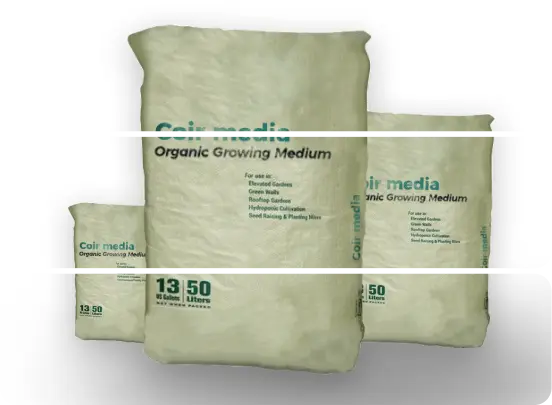
Innovative suppliers are becoming more and more crucial as farming shifts towards sustainability. Offering environmentally friendly solutions that promote both productivity and environmental care, Coirmedia stands out as a reputable Coir Product Manufacturer in the UK.
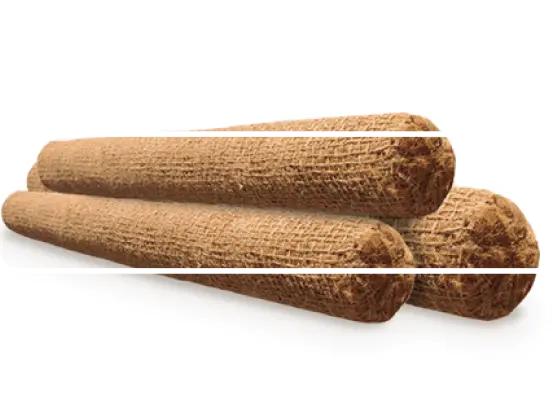
Coirmedia uses coconut husks, a sustainable byproduct, to make coir growth blocks, slabs, and soil enhancers. These products offer a good peat-free substitute that allows for good drainage and moisture retention. Coir products can have a significant impact on tenants on county farms in Staffordshire, particularly those managing starting holdings.
Strong root development results in healthier crops, and improved water retention can cut irrigation requirements by up to thirty percent . A Coir Product Manufacturer in UK like Coirmedia also supports diversification. Reliable growing material that enhances early establishment is advantageous for novice growers experimenting with vegetables, herbs, or greenhouse crops.
A key component of Coirmedia’s strategy is sustainability. Their goods contribute to the preservation of carbon-storing peatlands by lowering dependency on peat. Soil structure is naturally improved by coir-based soil enhancers, which encourage low-input and organic farming practices.
Coirmedia offers both beginner-friendly kits and wholesale supplies, catering to both huge estates and tiny companies. Clear usage guidelines help farmers make the most of their products, which is in line with county-led sustainability objectives.
The county farms estate in Staffordshire appears to have a bright future. The model is well-positioned to adjust to upcoming challenges thanks to its solid financial performance, ongoing investment, and increased emphasis on sustainability.
Market volatility, policy changes, and climate change continue to be serious issues. Nonetheless, the estate is resilient due to its adaptable structure and focus on innovation and education.
The estate makes sure that agriculture in Staffordshire stays productive, inclusive, and forward-thinking by combining responsible land management with useful assistance for new farmers.
Profit and the public good may coexist, as demonstrated by Stafford’s County farms estate, which generates £734,000 in net income and promotes new farmers. It provides a model for other councils throughout the United Kingdom through wise budgetary choices, human capital investments, and long-term collaborations.
The outcome is a farming system that supports livelihoods and land when combined with innovative suppliers like Coirmedia. Staffordshire’s strategy demonstrates how careful management, creativity, and community focus may ensure a productive future for future generations in an unpredictable agricultural landscape.
Mathew is a product designer and engineer at Coirmedia, where he combines his passion for sustainability with his design and engineering expertise. He develops innovative coir products that are not only functional but also eco-friendly. Driven by a desire to share his knowledge, Neil is passionate about writing and teaching, aiming to educate others about his ideas, innovations, and the technology behind them.