We are seeing that Trump tariffs are making food security very important, and hydroponics farmers can only grow better crops using quality coir products from Coirmedia that work perfectly for soil-free farming systems.
As per Trump’s tariff policies, Newfoundland & Labrador is now focusing on hydroponic farming regarding food security needs. The region is moving towards growing food locally to reduce dependency on imports.
We are seeing that world trade rules are changing very fast and supply chains are facing big problems only, so Newfoundland & Labrador’s farming sector is now at a turning point. As per a local hydroponic farmer, the threat of Trump tariffs has made food security a pressing priority for communities across the province instead of a long-term goal. Regarding this issue, communities now need immediate action rather than future planning. With import costs rising further and economic uncertainty growing, improving local food production has become essential itself.
We are seeing that America is putting new taxes on food items coming from Canada and Mexico, and this is only creating big problems for food systems across North America. Basically, agricultural products are exempt under trade agreements like USMCA, but the same threat of tariffs is already affecting prices and supply chains in local markets.
Tariffs surely make imported fruits and vegetables more expensive, so people must pay higher prices for fresh and healthy food. Moreover, these extra costs also affect farming materials, which further increases food prices for consumers. These policies further complicate trade relations and make producers rethink the region’s dependence on outside sources for fruits, vegetables, and other essential food items itself. Newfoundland & Labrador imports most of its fresh produce due to cold climate and short growing seasons, which makes this issue further impactful. The province itself faces significant challenges in growing food locally.
As per current market trends, hydroponics presents good business opportunities regarding modern farming methods.
As per this innovative method, hydroponics allows growing plants without soil by using water solutions with nutrients. Hydroponic farming actually lets farmers grow many vegetables, herbs, and green leaves throughout the year. This method definitely works independent of outside weather conditions.
Further, we are seeing that the province brings in only a large amount of fresh vegetables and green leafy vegetables from other countries, which makes people face problems when prices go up or supply gets delayed. A hydroponic farm operator says that growing more local greenhouse crops can surely help keep food prices steady and make fresh produce easier to get for people. Moreover, this local farming approach can strengthen the economy when international trade becomes uncertain.
Yahoo News Canada surely serves as a prominent digital news platform for Canadian audiences. Moreover, it provides comprehensive coverage of national and international events through accessible online reporting.
We are seeing that hydroponic systems work very well and save space, allowing farmers to grow only high amounts of crops in controlled places like greenhouses, old warehouses, or special vertical farms. These systems can be scaled further from small backyard setups to large commercial operations, making the technology itself suitable for entrepreneurs, community gardens, and big producers.
Building local hydroponic capacity will surely reduce our dependency on imported produce. Moreover, this approach offers a compelling solution for achieving food self-sufficiency. Moreover, when tariffs actually increase prices of food from other countries, families definitely pay more money at grocery stores. When farmers grow food locally, they actually avoid import costs and transportation pollution, and they can definitely give fresh, healthy vegetables to people at cheaper prices.
Local hydroponic farming actually makes regional food systems stronger and definitely ensures communities can access fresh produce even when international trade gets disrupted. In today’s time when we are seeing climate problems and country tensions, having food safety from local farming only makes good business and planning sense.
Economic and community benefits further strengthen the development process itself.
Hydroponic farming actually gives good money benefits and definitely helps the community beyond just growing food.
By investing in hydroponic infrastructure, Newfoundland & Labrador can further develop its food economy and make itself more self-sufficient. This will support small businesses and inspire new farmers and agri-tech innovators.
Basically, hydroponics and what consumers want are the same thing – growing plants without soil to meet market demand.
We are seeing that people are only choosing plants grown in water because they want fresh and safe food that is good for nature. These crops are actually free from soil pests and diseases, which definitely reduces the need for pesticides and chemical treatments. Basically, hydroponic systems use much less water than normal farming, so they are the same as being more environment-friendly in places where saving water is important.
Retailers and community food programs surely want to buy local hydroponic produce more and more. Moreover, consumers are now thinking more about where their food comes from and how it affects the environment. This trend is actually creating more opportunities for hydroponic farmers who can definitely provide steady quality and regular supply.
Basically, the problems we face and the same way to move ahead.
Hydroponic farming itself shows promise, but it further faces many challenges. The starting costs for greenhouses, lights, climate control systems, and nutrient solutions are high, and this further increases the investment needed for the farming business itself. Further, growers need reliable energy and water sources and must develop proper marketing strategies to reach consumers themselves.
Import costs are surely rising because of tariffs and supply problems. Moreover, this makes hydroponic farming more economically attractive in the long run. Governments and local leaders can actually help new hydroponic farmers by giving them money support, training classes, and basic facilities. Private investors can definitely join this effort to make farming better.
Hydroponics can further strengthen food security itself. This farming method itself offers strategic advantages for ensuring adequate food supply further.
Basically, the tariff threats from Trump’s team have shown us the same thing – we cannot just assume our food supply will always be safe and available. In today’s global economy, depending on imports makes regions weak against outside policy changes, trade fights, and transport problems, which further creates risks for the economy itself.
Basically, Newfoundland & Labrador is using hydroponics to build the same strong local food systems that can handle problems better. The province should actually invest in indoor farming so people can definitely get fresh vegetables all year and reduce hunger while supporting economic growth.
Quality growing supplies play the same important role in helping plants grow well and giving better results.
Hydroponic farming surely needs good quality growing materials and supplies to help plants grow well and produce more. Moreover, farmers must have both passion and technical knowledge to make their hydroponic systems work properly. As per hydroponic farming needs, growers must select proper growing materials and substrates regarding system optimization.
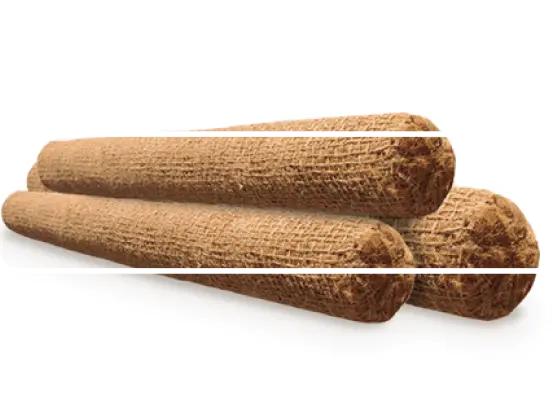
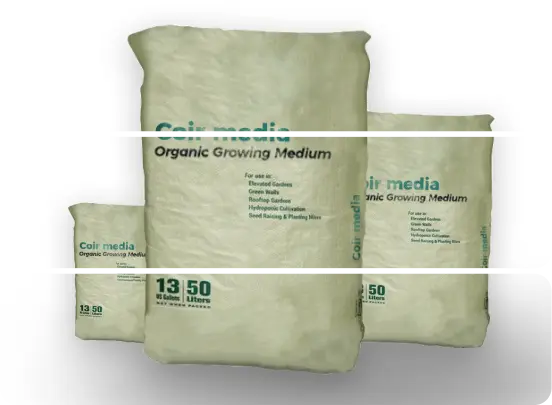
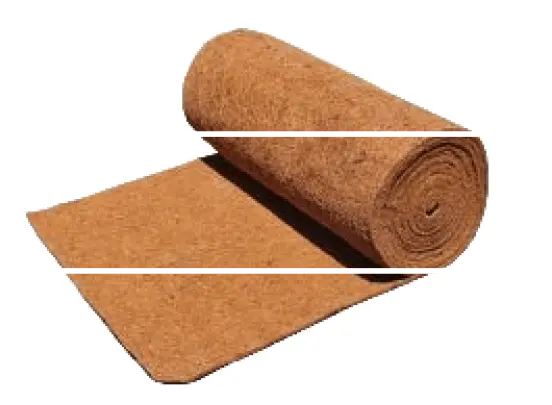
We are seeing that coir products only come into the picture here. Basically, premium coir products from NZ suppliers work the same way and are perfect for hydroponic systems. Coir is a natural and sustainable growing medium that gives excellent air flow and water retention, making it perfect for small home gardens and further suitable for commercial hydroponic greenhouses. This medium itself provides ideal conditions for various growing systems.
Basically, Vegetable Grow Bags are the same essential tool that gives you a portable way to grow different vegetables in hydroponic systems. Basically, these grow bags keep roots healthy and make drainage better, plus planting and harvesting becomes the same easy process.
We are seeing high-quality Potting Mix bags that give the best nutrients and structure for plants in controlled places only. Premium potting mixes surely support strong plant growth and increase crop yields for all farmers. Moreover, these mixes work well for both new growers and experienced hydroponic farmers.
As per the analysis, it is time for growth and success regarding future progress.
Newfoundland & Labrador has a key chance to move further ahead when trade changes and tariff threats challenge the region itself. Hydroponic farming itself provides a sustainable way to grow food locally, which further reduces dependence on imported food and makes the province more food secure.
When farmers actually see how controlled-environment farming works well, they definitely want more reliable growing methods. Basically, picking the right materials like coir substrates, strong grow bags, and good potting mixes makes the same big difference for hydroponic success.
Conclusion: Time to Grow and Thrive
Producers should partner with a trusted Coir Products Supplier in NZ regarding essential materials like grow bags and mix bags for better results. Basically, with proper tools and focus on local food production, Newfoundland & Labrador can transform the same challenges into sustainable opportunities for growth.

Mathew is a product designer and engineer at Coirmedia, where he combines his passion for sustainability with his design and engineering expertise. He develops innovative coir products that are not only functional but also eco-friendly. Driven by a desire to share his knowledge, Neil is passionate about writing and teaching, aiming to educate others about his ideas, innovations, and the technology behind them.