Australia runs on tomatoes. Think of any café breakfast, pub parma, or backyard sausage sizzle – a decent tomato is non-negotiable. But good luck finding affordable farmland within cooee of the cities anymore. Water licences are tighter than a drum, and every summer seems hotter than the last. That’s exactly why vertical tomato farming in Australia has gone from “cute balcony idea” to serious money-making reality in less than a decade. Growers are stacking plants three metres high in greenhouses, lining warehouse walls with grow bags, and turning unused carpark rooftops into tomato jungles. The numbers don’t lie: 60–100 kg per square metre per year is now normal, compared to the 8–12 kg most old-school field growers manage. This monster guide covers every single thing needed to get started, from the dirt under the fingernails stuff to the bank-manager-impressing details.
Land prices are insane, water is gold, and consumers want Aussie-grown fruit 52 weeks a year. Vertical systems solve all three headaches at once. A 500 m² greenhouse in the Adelaide Hills now out-produces a 5-hectare field. A Sydney rooftop farm pulls 42 tonnes off 800 m². Even suburban backyards with 30 Tomato Grow Bags hung along a Colorbond fence are banking $3,000–$5,000 worth of tomatoes every season. The secret isn’t rocket science – it’s just growing up instead of out.
Indeterminate types are the only real option for proper vertical work. They keep growing and fruiting until you tell them to stop. Old favourites like ‘Grosse Lisse’, ‘Apollo’, ‘Rouge de Marmande’, and ‘Black Russian’ still rule backyards. For commercial tomato farming, the truss hybrids dominate: ‘Merlice’, ‘Strabena’, ‘Juanita’, and the new ‘Annaisa’ give perfectly uniform clusters that ripen together and travel like champs. Heat-tolerant rootstocks such as ‘Maxifort’, ‘Emperador’, and ‘Beaufort’ laugh at 45 °C days. Grafting benches are now a standard kit in any serious nursery.
Australian wind doesn’t mess around. Cheap bamboo stakes snap like twigs the first time a southerly buster rolls through. Real growers use 50 mm galvanised pipe, 13 mm star pickets every 2.5 m, and 3 mm UV-stabilised trellis wire. The Florida weave (stringing twine between posts and weaving plants through) is still the cheapest system that actually works. In greenhouses, the drop-and-lean method lets one row drop 30 cm every fortnight while the next row leans the other way. Suddenly, 1.8 m row spacing fits 25 % more plants.
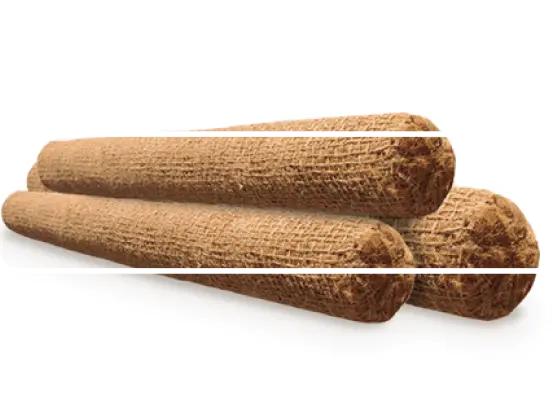
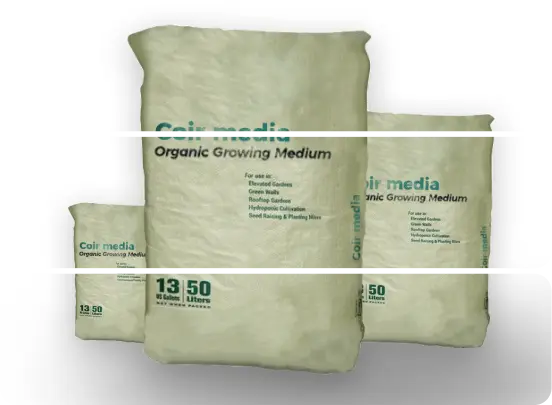
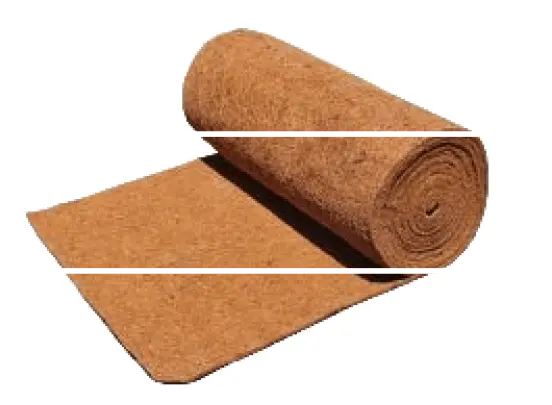
Field soil is a disease hotel. Vertical farms run on coco coir because it’s light, holds four times its weight in water, drains like crazy, and stays at pH 5.8 forever. Cheap unbuffered coir burns roots with potassium and sodium. As the most trusted Coir Products Supplier in Australia, Coirmedia only ships triple-washed, low-EC, buffered slabs and bags. A 35-litre Tomato Grow Bag weighs 5 kg dry and 22 kg saturated – easy to hang from a $3 chain and S-hook. Mix 70 % coir with 30 % perlite for outdoor bags; use 100 % coir slabs inside recirculating houses.
One dripper per plant, 2 L/h, pressure-compensated so the last plant gets the same as the first. A $600 dosing unit from Netafim mixes three stock tanks (calcium nitrate, potassium nitrate, and micros) into every drop. Run 4–6 cycles per day in summer, 2–3 in winter. Keep runoff at 20 % to flush salts. A $120 Bluelab Guardian monitor pays for itself in one season by stopping disasters before they start.
Six hours of direct sun is the bare minimum. North-facing walls are gold. In Queensland, 50 % white shade cloth is mandatory by November or fruit sun-scalds. In Tasmania, double-layer inflatable poly houses trap heat and cut winter heating bills by 40 %. Supplemental LEDs (200 µmol/m²/s) extend daylight hours and push winter crops in Melbourne warehouses.
A standard 8 m x 30 m greenhouse fits 4,000 plants and spits out 160–200 tonnes yearly. That’s the same as 20 hectares of old-fashioned field rows. Rooftops, carparks, even disused factory floors now grow tomatoes profitably. Recirculating systems lose less than 10 % to evaporation. Even simple drip-to-waste Horticulture Grow Bags use half the water of soil beds. In the Riverland, one grower cut water use from 12 ML/ha to 3.5 ML/ha and still lifted the yield 400 %.
No soil splash means almost zero early blight, septoria, or bacterial spot. Powdery mildew still tries, but a $90 sulphur burner every fortnight keeps it gone. Most vertical growers spray twice a season instead of twelve times.
A 1,000 m² greenhouse with climate control, drip, and coir slabs costs around $280,000–$350,000 turnkey. Smaller open-field trellis setups still cost $40,000–$60,000 per hectare. The good news: the On-Farm Energy and Irrigation grants now cover up to 50 % if you add solar pumps or recirculation.
First-season mistakes are legendary. Over-feeding burns tips, under-feeding stalls fruit, pH above 6.5 locks out calcium, and blossom-end rot appears overnight. Join the Australian Hydroponic & Greenhouse Association Facebook group – real growers answer at 2 am when the EC meter goes haywire.
Above 36 °C for four hours and flowers drop empty. Shade cloth, foggers, and root-zone cooling coils keep houses under 32 °C. Outdoor growers plant heat-set varieties and accept lighter December crops.
Spider mites explode in dry heat. Whiteflies breed like crazy under shade cloth. Queensland fruit fly turns fruit into maggot hotels. Fine insect netting costs $8/m² but saves entire crops. Weekly soap sprays and beneficials keep chemical use minimal.
October and March floods Coles and Woolies with cheap field tomatoes. Lock in forward contracts in July for January delivery at fixed prices. Restaurants love a consistent supply – one reliable 200 kg a week deal beats chasing spot markets.
Work out cost per kilo. Target $2.20–$2.80 landed cost for truss tomatoes to stay competitive. Include every cent: plants, coir, fertiliser, power, labour, cartons. Add 20 % buffer because something always breaks.
Rooftop? Get engineer sign-off for 250 kg/m² live load. Backyard? North-facing fence line is perfect. Commercial block? Check water allocation first – bore licences are harder to get than gold.
Leave 1.2 m aisles for trolleys. Run drip lines down the middle of twin rows. Install shade cloth on rollers so it can be pulled across in 60 seconds when 40 °C hits.
Seedlings sell out by August. Coir Tomato Grow Bags need a six-week lead time in peak season. Book the grafting nursery in April for September delivery.
Star pickets every 2.5 m, three horizontal wires, clip plants every 25 cm. Hang Horticulture Grow Bags from a 10 mm chain and S-hooks rated 50 kg each. One weak link and the whole row crashes.
Soak the coir slabs for 24 hours with a pH 5.5 starter solution. Let drain. Fill bags to 5 cm below the rim – they settle another 5 cm once saturated.
Bury the stem up to the first true leaves. Space 38 cm in single rows, 28 cm in twin rows. Water in with seaweed solution. Install clips immediately – plants grow 15 cm a week once warm.
Miss one week of suckering and the canopy turns into a jungle. Remove everything below first truss. Clip or weave the main stem every 20 cm. Drop/lean every 10–14 days in greenhouses.
Week 1–4: EC 1.8, high nitrogen. Week 5–bloom: EC 2.2, balanced. Fruit swell: EC 2.8, high potassium. Flush with plain water every fourth week. Keep pH 5.8–6.2.
Truss tomatoes: pick when 10 % colour shows for supermarket shelf life. Cherry tomatoes: full colour for flavour. Cool to 12 °C within two hours. One missed hot afternoon in the crate ruins firmness.
Restaurants want Monday and Thursday deliveries. Supermarkets want barcoded punnets. Farmers’ markets want stories. Have three different customers, so one price crash doesn’t kill the season.
First profitable season? Double the area. Add CO2, b, bumblebees, and data loggers. Pay down debt. Hire a decent pruner so your back survives another year.
Vertical tomato farming in Australia isn’t some hipster experiment anymore – it’s the most profitable way to grow tomatoes on the driest continent on earth. Start small with 20 bags on a fence. Learn what burns plants and what makes them explode. Scale when the bank balance says yes, not when ego says go. Ten years from now, the big players will all be growing up, not out.
Grab some decent coir, a roll of twine, and a handful of seedlings. The first perfect tomato hanging three metres off the ground tastes better than any trophy.

Mathew is a product designer and engineer at Coirmedia, where he combines his passion for sustainability with his design and engineering expertise. He develops innovative coir products that are not only functional but also eco-friendly. Driven by a desire to share his knowledge, Neil is passionate about writing and teaching, aiming to educate others about his ideas, innovations, and the technology behind them.