Portugal’s gardening scene has shifted quite a bit lately. Walk into garden centres across Lisbon, Porto, or the Algarve and something different catches the eye. Coir Products in Portugal have gone from niche imports to mainstream growing media in just a few years.
Why? Part environmental awareness. Portuguese growers moving away from peat. But there’s more to it. Coir actually works brilliantly in Portugal’s climate. Hot, dry summers. Variable rainfall. These conditions suit coir’s water-retention properties perfectly.

Coir-based bags produce yields comparable or better than peat. Root development is excellent. Disease pressure often lower.
Quality coir from reputable suppliers is remarkably uniform. Peat quality varies more
Used coir can be composted or used as soil amendment. Better than disposing of used peat.
Lighter weight than soil-filled containers. Easier handling matters in large operations.
Despite excellent retention, summer heat means containers dry out. Daily watering is often necessary in peak summer.
Coir is essentially inert. Plants need regular feeding. Portuguese growers typically use tomato fertilisers or balanced liquid feeds weekly.
Coir is naturally near-neutral. Most vegetables are happy with this.
Even well-washed coir can accumulate salts over the season. Flushing containers occasionally helps
Why growers like it:
Portuguese growers particularly appreciate water retention. Summer drought is real here. Anything reducing watering frequency makes life easier.
Portugal’s agricultural sector is substantial. Beyond famous wine regions, significant vegetable production exists. Greenhouse operations have expanded considerably. Home gardening has boomed too, partly pandemic-related, partly increasing interest in organic growing.
Traditional growing media was peat-based. Imported from northern Europe mostly. But peat extraction damages ecosystems. Awareness of this has grown. Plus shipping peat from Scandinavia to Portugal creates substantial carbon footprint.
Enter coir. Also imported—mostly from Sri Lanka, India, other Asian countries. But coconut husks are waste product anyway. Less environmental damage. Material performs well in Portuguese conditions.
Environmental benefits drove much initial adoption. But worth examining honestly.
Renewable resource, coconuts keep growing. Peat takes millennia to form. Extraction doesn’t destroy ecosystems like peat bogs. Uses waste product. Doesn’t biodegrade as quickly, creating less methane.
Shipped long distances—carbon footprint from transport. Processing requires water and energy. Some production areas have labour concerns. Not a perfect solution, just better than peat mostly.
Portuguese environmental groups generally support the transition to coir. Recognise it’s not perfect, but a significant improvement.
The government hasn’t mandated changes but encourages peat alternatives through sustainability programs. Some agricultural subsidies favour sustainable practices, including coir use.
Home gardeners caught on too. Vegetable grow bag products filled with coir-based compost are everywhere now. Garden centres, hardware stores, even some supermarkets stock them seasonally.
Space-efficient: Perfect for balconies, patios, small gardens. Apartment dwellers in Lisbon or Porto love them.
Portable: Can move bags to follow sun or shelter from the weather.
No ground prep: Useful where soil is poor or nonexistent.
Pest reduction: Raised off ground reduces some problems.
Traditional Portuguese vegetable gardens are often quite formal. Neat rows, intensive cultivation. But urban spaces don’t allow this. Grow bags provide alternative that works in limited space.
Popular vegetables for bags in Portugal:
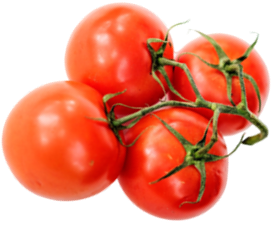
Tomatoes – obvious choice, grows brilliantly in coir
Peppers – both sweet and chili types thrive
Portuguese climate suits Mediterranean vegetables. Long growing season. Plenty of sun. Main challenge is summer heat and water availability. Coir’s moisture retention helps significantly.
Coir Products in Portugal have moved from novelty to mainstream remarkably quickly. Makes sense given climate, environmental awareness, and practical performance.
Whether commercial greenhouse in Algarve or balcony garden in Lisbon, coir offers practical solution. Not perfect. Nothing is. But significant improvement over peat while providing excellent results.
Portuguese adoption reflects broader European trends toward sustainable horticulture. Also demonstrates how global trade can provide environmental solutions—coconut waste from Asia becomes growing media in Europe.
For growers in Portugal, coir represents practical tool for success. Particularly suited to local climate. As availability increases and expertise spreads, expect continued growth across Portuguese gardening and agriculture.